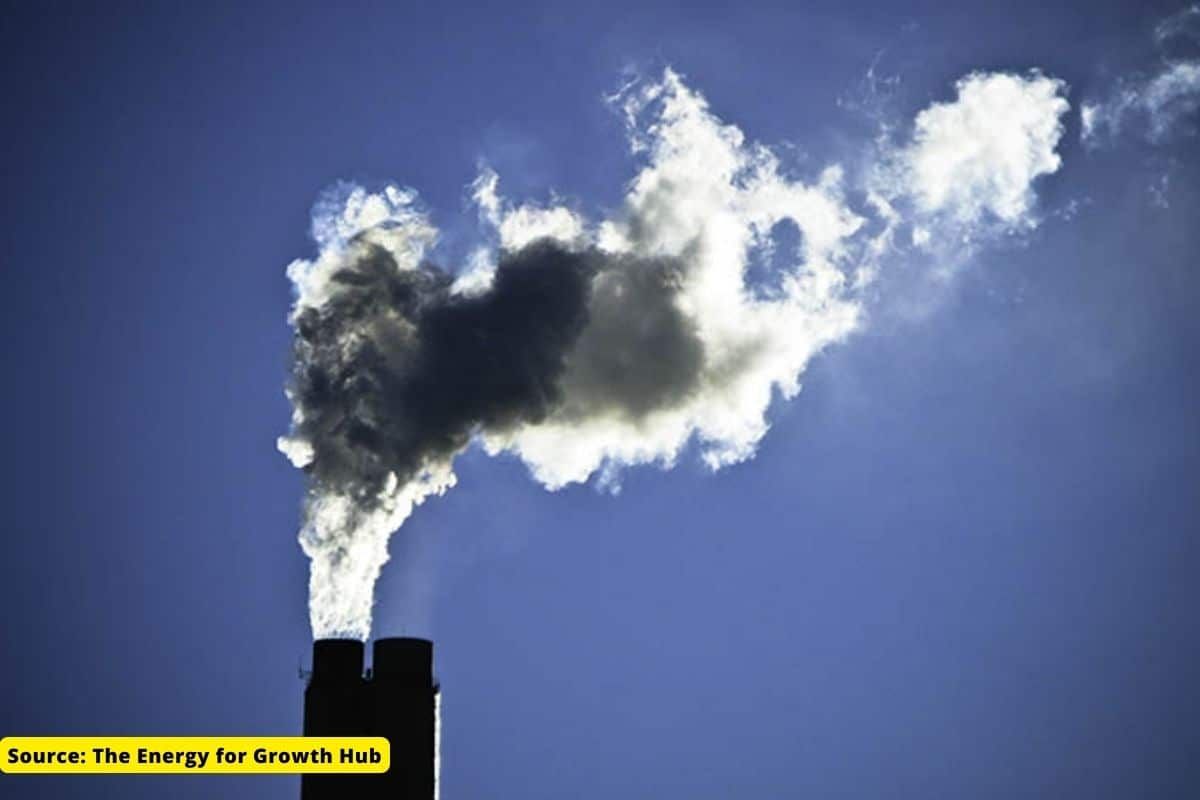
India has chosen not to sign the “Global Methane Pledge,” a resolution proposed by the European Union and the United States that aims to reduce global methane emissions by 30% from 2020 levels by 2030. The decision was announced by Ashwini Kumar Choubey, the Minister of State in the Union Ministry of Environment, Forest and Climate Change, in response to a question during the ongoing Monsoon session of the Parliament.
Shifting focus from CO2 to Methane reductions
The resolution, which aims to tackle climate change by focusing on reducing methane emissions, has garnered attention for its departure from the predominant focus on CO2 emissions reduction. While CO2 has a lifespan of 100 to 1000 years, methane has a significantly shorter lifespan of just 12 years. This shift in focus has prompted concerns about its effectiveness in addressing long-term climate change.
India’s decision to not sign the Global Methane Pledge is attributed to various factors. The country’s reliance on agriculture, particularly among small, marginal, and medium farmers, is a major consideration. Methane emissions in India primarily result from enteric fermentation in cattle and paddy cultivation. These emissions are viewed as essential for agricultural survival rather than being luxury emissions. The impact of such emissions reduction targets on livelihoods and agricultural production is a significant concern.
India’s stance is reinforced by its role as a major producer and exporter of rice. The reduction of methane emissions from paddy cultivation could affect agricultural production and trade, posing potential economic repercussions for the nation. Additionally, India’s vast cattle population, which provides livelihoods to a significant portion of the population, contributes a relatively low amount of enteric methane emissions compared to other sources globally.
Climate commitments under the Paris Agreement
While India remains committed to combatting climate change, it emphasizes its right to determine its climate actions in a sovereign manner. The decision not to sign the Global Methane Pledge is in line with India’s approach to climate action within the framework of the United Nations Framework Convention on Climate Change (UNFCCC) and the Paris Agreement. India’s Nationally Determined Contribution (NDC) under the Paris Agreement does not include specific sector or gas emission reduction targets.
Ongoing Measures to Reduce Methane Emissions
India is actively engaged in measures to reduce methane emissions through various initiatives and programs:
- The National Mission Sustainable Agriculture (NMSA) promotes climate-resilient practices, including methane reduction practices in rice cultivation.
- The Indian Council of Agricultural Research (ICAR) has developed technologies for methane reduction in rice cultivation, such as the System for Rice Intensification and Direct Seeded Rice techniques.
- Capacity-building programs are conducted to raise awareness about climate-resilient practices.
- The Department of Animal Husbandry and Dairying (DAHD) implements the National Livestock Mission to reduce methane emissions from livestock.
- Government initiatives like the ‘Gobar-Dhan’ scheme promote cattle waste utilization and biogas production.
Keep Reading
- World-famous Ski destination Gulmarg turning into Garbage Cesspool
- How are snow bikes affecting environment of Gulmarg wildlife sanctuary?
- Roadkill crisis in Jammu Kashmir: Wildlife deaths soar on highways
Follow Ground Report for Climate Change and Under-Reported issues in India. Connect with us on Facebook, Twitter, Koo App, Instagram, Whatsapp and YouTube. Write us on GReport2018@gmail.com