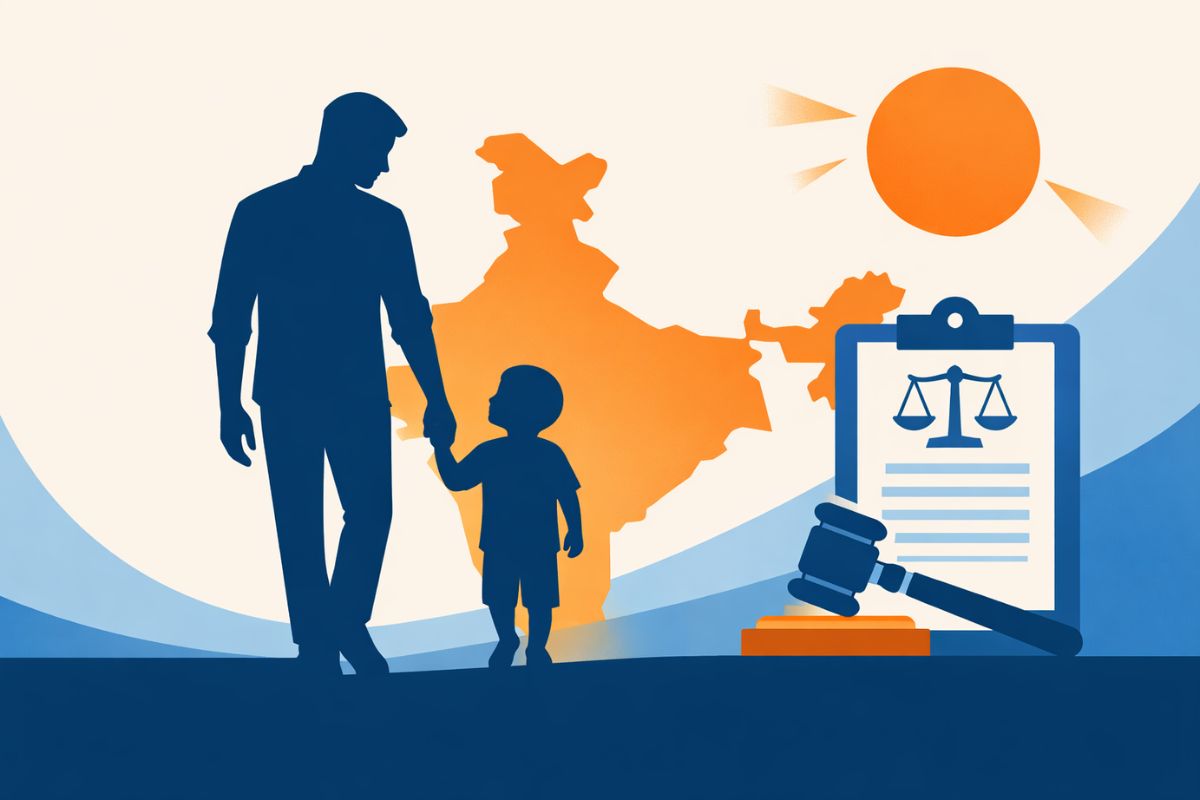
A 34-year-old man from Mumbai became the city’s first single male adopter on Sunday when he brought home a three-year-old boy from an Ahmedabad orphanage. The adoption came after a three-year process through the Central Adoption Resource Authority. The man applied in 2022 after deciding marriage and parenthood were separate choices.
What the Law Says
The Juvenile Justice Act of 2015 governs adoption in India. Single men can adopt children, but face more restrictions than single women. The law allows single females to adopt children of any gender. Single males cannot adopt girls under any circumstances.
Single men must be physically fit, financially stable, and mentally capable. They cannot have life-threatening medical conditions. Criminal convictions or child rights violations disqualify applicants. The law requires a minimum age gap of 25 years between parent and child.
Age limits determine which children single fathers can adopt. Men up to 40 years old can adopt children under two years. Those up to 45 years can adopt children between two and four years. Men up to 50 years qualify for children aged four to eight years. Single fathers up to 55 years can adopt children aged eight to 18 years. Men over 55 cannot adopt.
Age Eligibility for Single Male Adopters
| Child’s Age | Maximum Age of Single Father |
|---|---|
| Up to 2 years | 40 years |
| 2 to 4 years | 45 years |
| 4 to 8 years | 50 years |
| 8 to 18 years | 55 years |
Prospective fathers register through CARA’s online portal or visit recognized adoption agencies. Agencies exist in state capitals and major cities across India. The process works nationwide under central regulations.
How the Process Works
Registration costs 6,000 rupees. A social worker visits the applicant’s home within three months. This home study evaluates financial stability, living conditions, and readiness for parenthood. The agency then matches the father with a male child based on age preferences and availability.
The agency shares the child’s medical history and background. If the father accepts the match, he signs documents to proceed. The agency files a court petition. Courts must finalize adoptions within two months of filing. The judge reviews the case and grants legal parental rights.
What It Costs
Adoption fees are regulated. The home study costs 6,000 rupees. A child care corpus fee requires 50,000 rupees. Legal fees range from 20,000 to 50,000 rupees. Post-adoption follow-ups cost 2,000 rupees per visit. Total domestic costs stay under 100,000 rupees for most cases.
The law prioritizes child welfare. Regulations aim to protect children from potential harm. Single men face gender restrictions due to safety concerns regarding female children. The age requirements ensure parents can provide care through the child’s formative years.
Home study reports expire after three years. Applicants must revalidate if they have not received a referral. This ensures current circumstances match initial assessments. The system maintains strict oversight throughout the adoption journey.
Support us to keep independent environmental journalism alive in India.
Keep Reading
Small Wild Cats in Big Trouble: India’s First National Report Released
After Tragedy, Families Face Delays in Tiger Attack Compensation
Stay connected with Ground Report for underreported environmental stories.