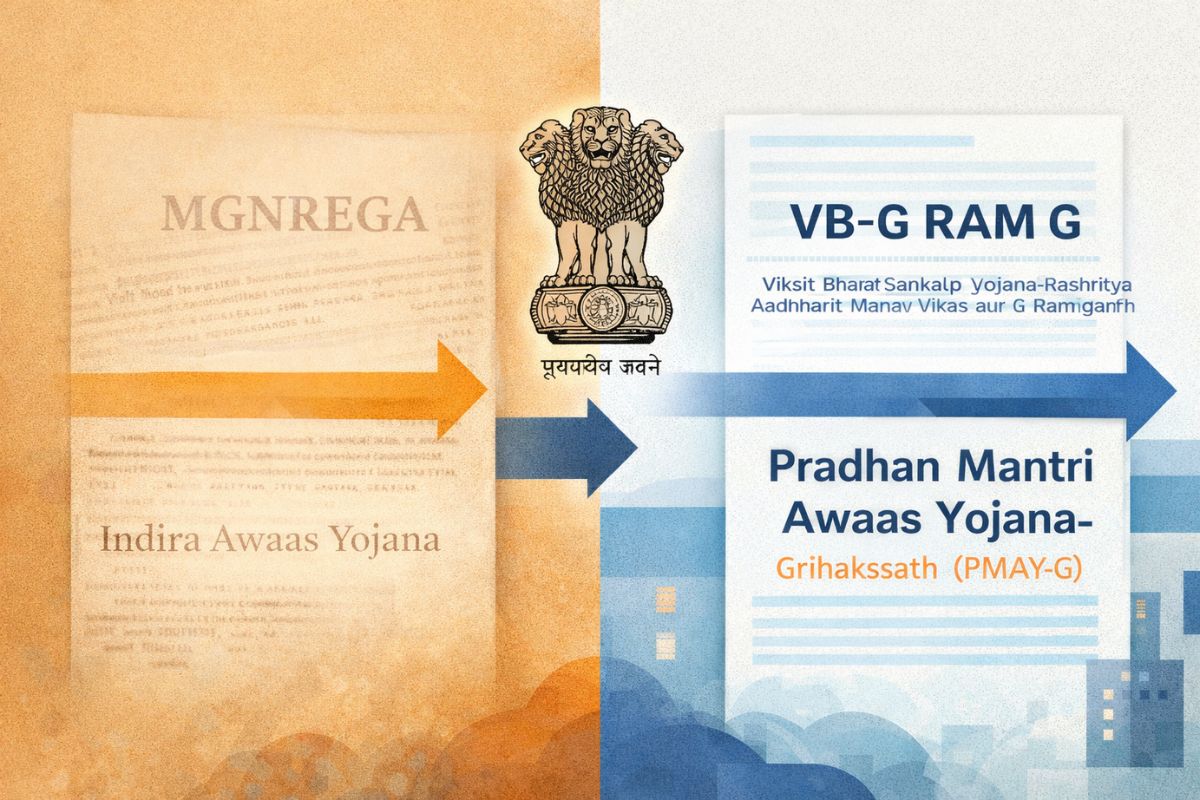
The Modi government approved a bill in December 2024 to rename the Mahatma Gandhi National Rural Employment Guarantee Act as Viksit Bharat Guarantee for Rozgar and Ajeevika Mission (Gramin), or VB-G Ram G. This marks the latest in a decade-long pattern of rebranding schemes launched by previous governments. The Cabinet decision increases work days under the scheme from 100 to 125 annually while changing its name.
The renaming follows similar changes to over 30 other welfare programs since 2014. Congress maintains a list of 32 schemes it launched between 1975 and 2013 that were subsequently renamed. The opposition party argues the changes amount to cosmetic rebranding without substantive reform.
What Names Were Changed
| Original Scheme Name | New Name | Year Renamed |
|---|---|---|
| Basic Savings Bank Deposit Account (2005) | Pradhan Mantri Jan Dhan Yojana | 2015 |
| Nirmal Bharat Abhiyan (2012) | Swachh Bharat Mission | 2014 |
| National Girl Child Day Programs (2008) | Beti Bachao, Beti Padhao Yojana | 2015 |
| Rajiv Gandhi Grameen Vidyutikaran Yojana (2005) | Deen Dayal Upadhyaya Gram Jyoti Yojana | 2015 |
| Jawaharlal Nehru National Urban Renewal Mission (2005) | AMRUT | 2015 |
| National Project on Soil Health and Fertility (2008) | Soil Health Card Scheme | 2015 |
| Swavalamban Yojana (2010) | Atal Pension Yojana | 2015 |
| National Manufacturing Policy (2011) | Make in India | 2014 |
| National eGovernance Plan (2006) | Digital India | 2015 |
| National Skill Development Programme (2010) | Skill India | 2015 |
| Universal Immunisation Programme (1985) | Mission Indradhanush | 2014 |
| Direct Benefits Transfer for LPG (2013) | PAHAL | 2014 |
| National Optic Fibre Network (2011) | BharatNet | 2011 |
| Rashtriya Krishi Vikas Yojana (2007) | Paramparagat Krishi Vikas Yojana | 2015 |
| Accelerated Irrigation Benefits Programme (2007) | Pradhan Mantri Krishi Sinchayee Yojana | 2015 |
| Indira Awaas Yojana (1985) | Pradhan Mantri Gramin Awaas Yojana | 2016 |
| Rajiv Awas Yojana (2009) | Pradhan Mantri Awaas Yojana (Urban) | 2015 |
| Indira Gandhi Matritva Sahyog Yojana (2010) | Pradhan Mantri Matritva Vandana Yojana | 2017 |
| Free LPG Connection to BPL Families (2010) | Pradhan Mantri Ujjwala Yojana | 2016 |
| Modified National Agricultural Insurance Scheme (2010) | Pradhan Mantri Fasal Bima Yojana | 2016 |
| Jan Aushadhi Scheme (2008) | Pradhan Mantri Jan Aushadhi Yojana | 2015 |
| National Rural Livelihood Mission (2005) | Deen Dayal Upadhyaya Grameen Kaushalya Yojana | 2014 |
| National Urban Livelihood Mission (2013) | Deendayal Antyodaya Yojana-NULM | 2015 |
| Aam Aadmi Bima Yojana (2007) | Pradhan Mantri Suraksha Bima Yojana | 2015 |
| Development of Heritage Areas (2005) | HRIDAY | 2015 |
| National Maritime Development Programme (2005) | Sagarmala | 2015 |
| ICDS Services (1975) | POSHAN Abhiyan | 2018 |
| Mahatma Gandhi NREGA (2005) | VB-G Ram G | 2025 |
Ministry Name Changes
| Original Ministry Name | New Name | Year Renamed |
|---|---|---|
| Ministry of Human Resource Development | Ministry of Education | 2020 |
| Ministry of Shipping | Ministry of Ports, Shipping and Waterways | 2020 |
Place Names and Infrastructure:
| Original Name | New Name | Year Renamed |
|---|---|---|
| Race Course Road | Lok Kalyan Marg | 2016 |
| Rajpath | Kartavya Path | 2022 |
| Raj Bhavan/Raj Niwas | Lok Bhavan/Lok Niwas | 2024 (directive) |
| PMO Complex | Seva Teerth | Recent |
Why BJP Changed Names
The renaming pattern reflects what the government describes as a decolonization project. Home Minister Amit Shah explained during the 2024 debate on replacing British-era criminal laws that new legislation represents laws made by Indians for Indians. Prime Minister Modi has repeatedly stated India must move away from the legacy of Thomas Macaulay, who sought to create an Indian class English in tastes and opinions.
The changes follow several clear patterns. Most new names use Hindi rather than English, aligning with BJP cultural politics that prioritizes Hindi over English. Names of Nehru-Gandhi family members have been systematically removed from schemes. Parallel to this, names of Jana Sangh and BJP ideological figures like Deen Dayal Upadhyaya and Atal Bihari Vajpayee now appear on multiple programs.
The government also renamed geographical landmarks. Race Course Road became Lok Kalyan Marg in 2016. Rajpath became Kartavya Path in 2022. The government stated these changes symbolize a shift from icons of power to public ownership. Religious terminology also appears in some renamings, such as naming the PMO complex Seva Teerth, where teerth means Hindu religious pilgrimage.
Political Battle Over Changes
Congress has sharply criticised the renamings as attempts to claim credit for schemes it launched. Party communications chief Jairam Ramesh called the government an expert at renaming schemes and laws. He questioned why the government objects to having Mahatma Gandhi in scheme names when it claims to honor him.
Congress president Mallikarjun Kharge called the MGNREGA bill not just a renaming but a BJP-RSS conspiracy to end the program. He said erasing Gandhi’s name on the centenary of the Sangh shows how hollow those are who offer flowers to Bapu on foreign soil. The party argues the government attacks schemes that guarantee rights to the people living in poverty.
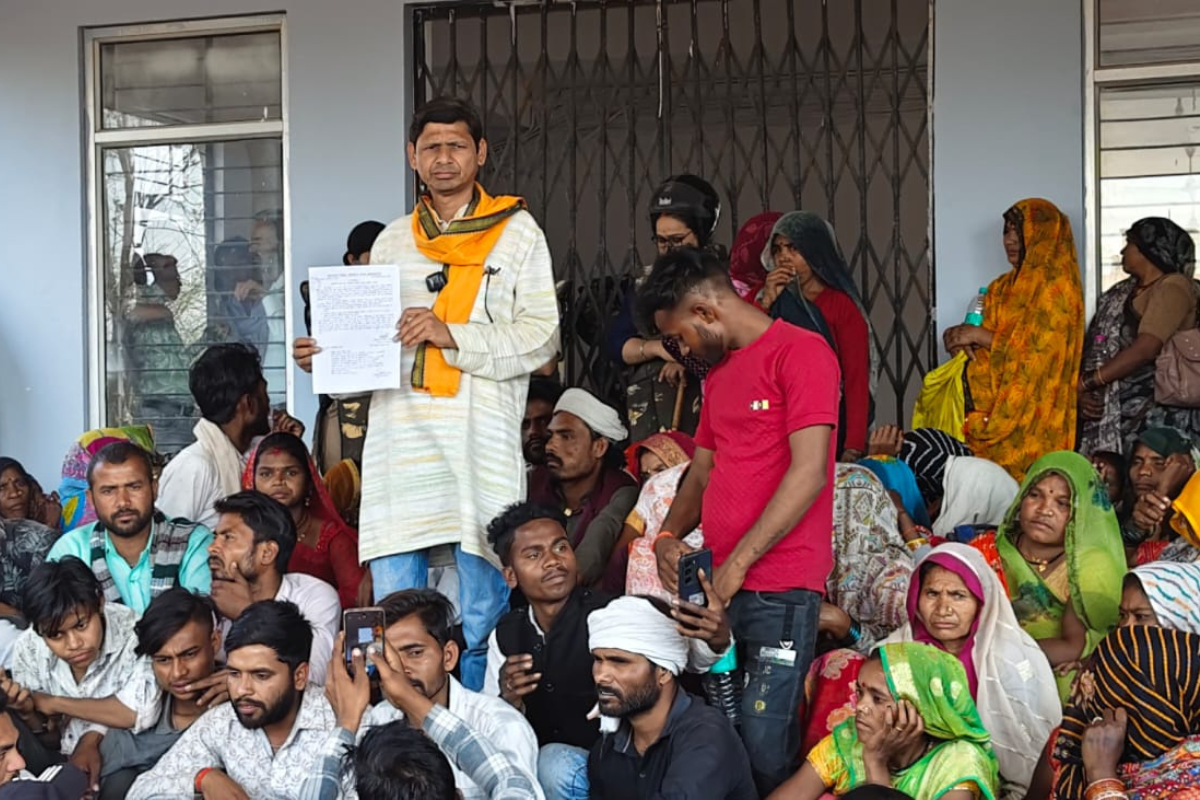
The CPI(M) said the claim of increasing employment days from 100 to 125 is merely cosmetic. The party stated the bill removes the soul of a rights-based guarantee law and replaces it with a conditional, centrally controlled scheme. The proposed changes shift funding from 100 percent central to a 60:40 sharing arrangement with major states. This places unsustainable financial burden on state governments while denying them decision-making roles.
The bill introduces normative allocation with state-wise expenditure ceilings imposed by the center. Excess costs must be borne by states. The legislation allows governments to suspend employment for up to 60 days during peak agricultural seasons. It mandates digital attendance at workplaces and opens the door to excluding rural households through rationalization of job cards. Opposition members argue these changes will deny work when most needed and make workers dependent on landlords.
Support us to keep independent environmental journalism alive in India.
Keep Reading
Small Wild Cats in Big Trouble: India’s First National Report Released
After Tragedy, Families Face Delays in Tiger Attack Compensation
Stay connected with Ground Report for underreported environmental stories.