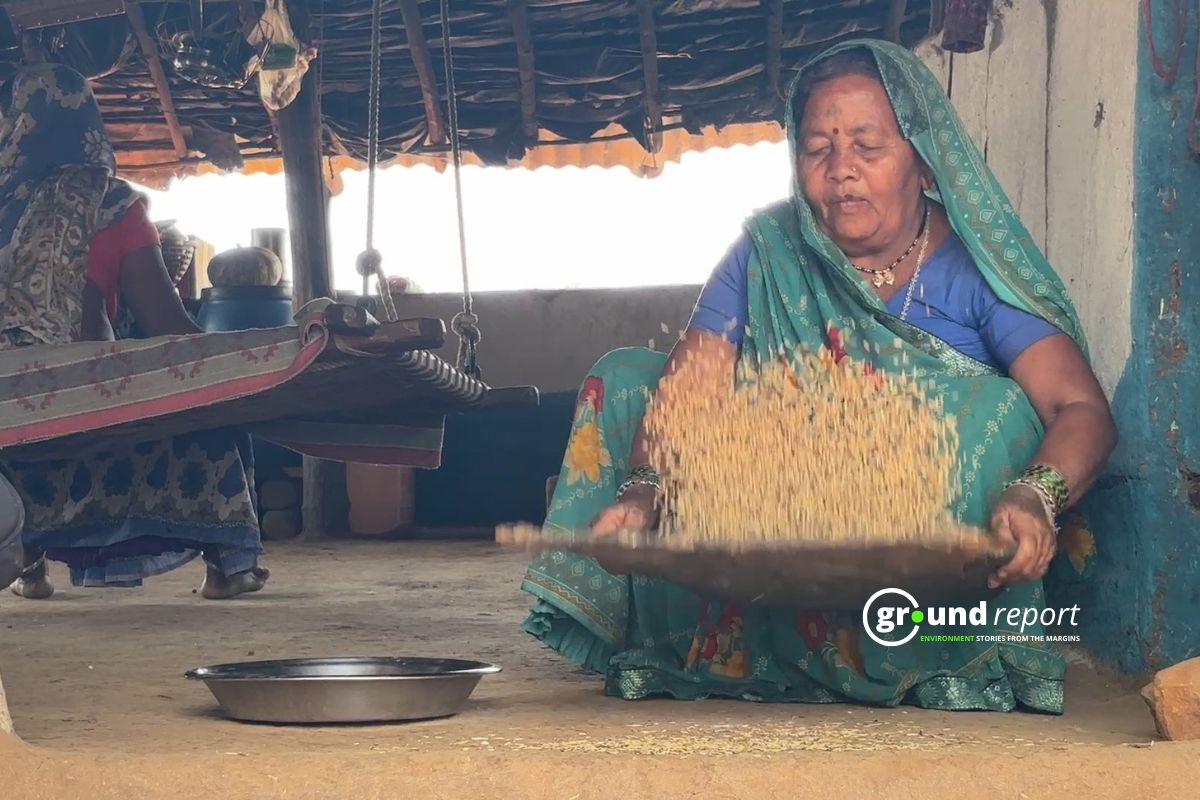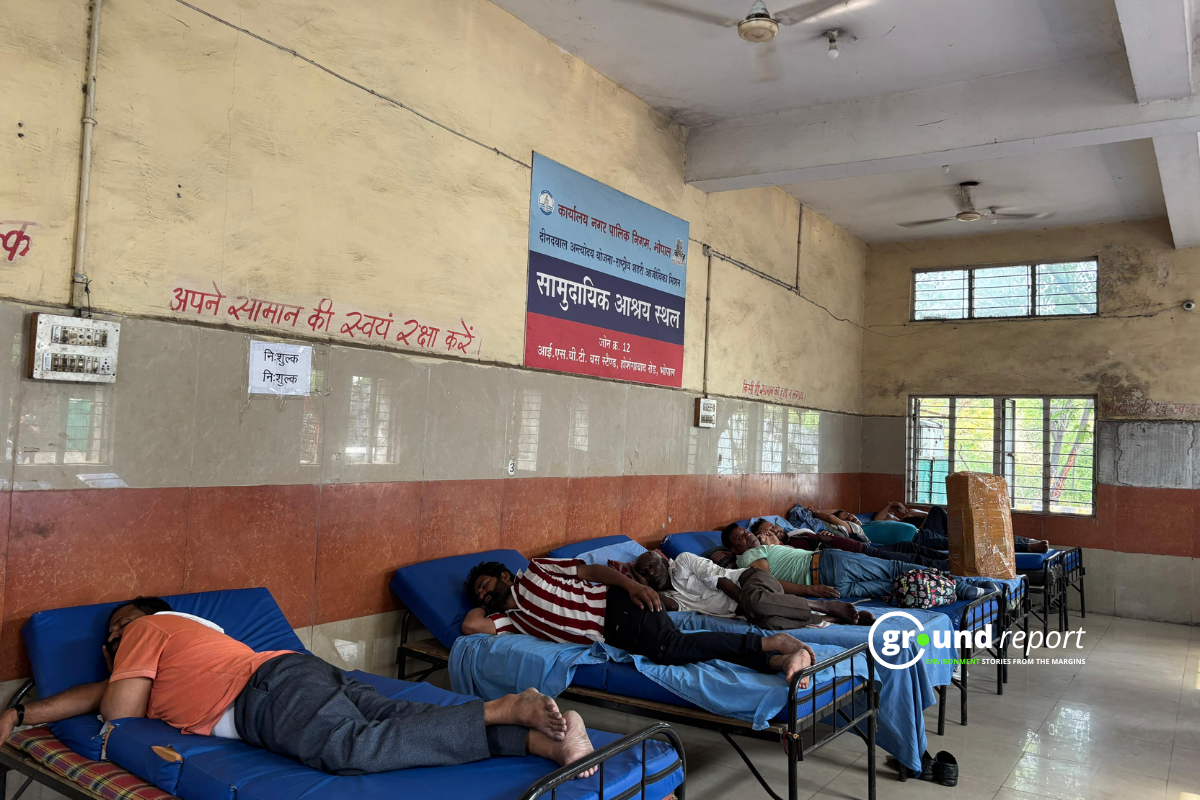

The proposed closure of Poshan Aahar (Take-Home Ration) production units in Madhya Pradesh has triggered widespread concern over the livelihoods of rural women and the future of decentralized nutrition delivery. These units, handed over to women’s self-help groups (SHGs) in March 2022, were intended to replace private contractors and strengthen community-led production. For women like Durga Parmar, who leads the Dewas unit, the initiative symbolized economic independence and dignity.
However, reports in early 2026 indicating that seven such units may shut by March 31 have left workers shocked and uncertain. These facilities currently produce essential nutritional supplements—such as laddoos, khichdi, and halwa—distributed through anganwadis to children, pregnant women, and adolescent girls. The potential shift back to centralized or private systems marks a reversal of earlier policy decisions that emphasized decentralization and women’s empowerment.
The impact on livelihoods could be significant. Around 154 women are directly employed in these units, while an estimated 50,000 people across the supply chain may be affected. For many women, this income is not just financial support but a pathway to autonomy—enabling education for their children, repayment of loans, and social mobility.
The government cites financial losses and quality concerns as reasons for the shift. Yet, women contest these claims, pointing to regular quality testing and arguing that rising input costs without corresponding procurement rate revisions have strained operations.
This policy debate unfolds against a backdrop of persistent malnutrition in the state and past irregularities in the nutrition scheme, including audit findings of poor quality control and financial mismanagement. As protests grow and political assurances remain inconclusive, the future of these units—and the women who depend on them—remains uncertain.
Support Us To Sustain Independent Environmental Journalism In India.
Keep Reading
Highway Halt Puts Kashmir’s Fruit Economy at Risk
Railway line expansion plan put Kashmir’s apple orchards at risk
Warmer winters in Kashmir raise concerns over apple and crop yields
Stay Connected With Ground Report For Underreported Environmental Stories.