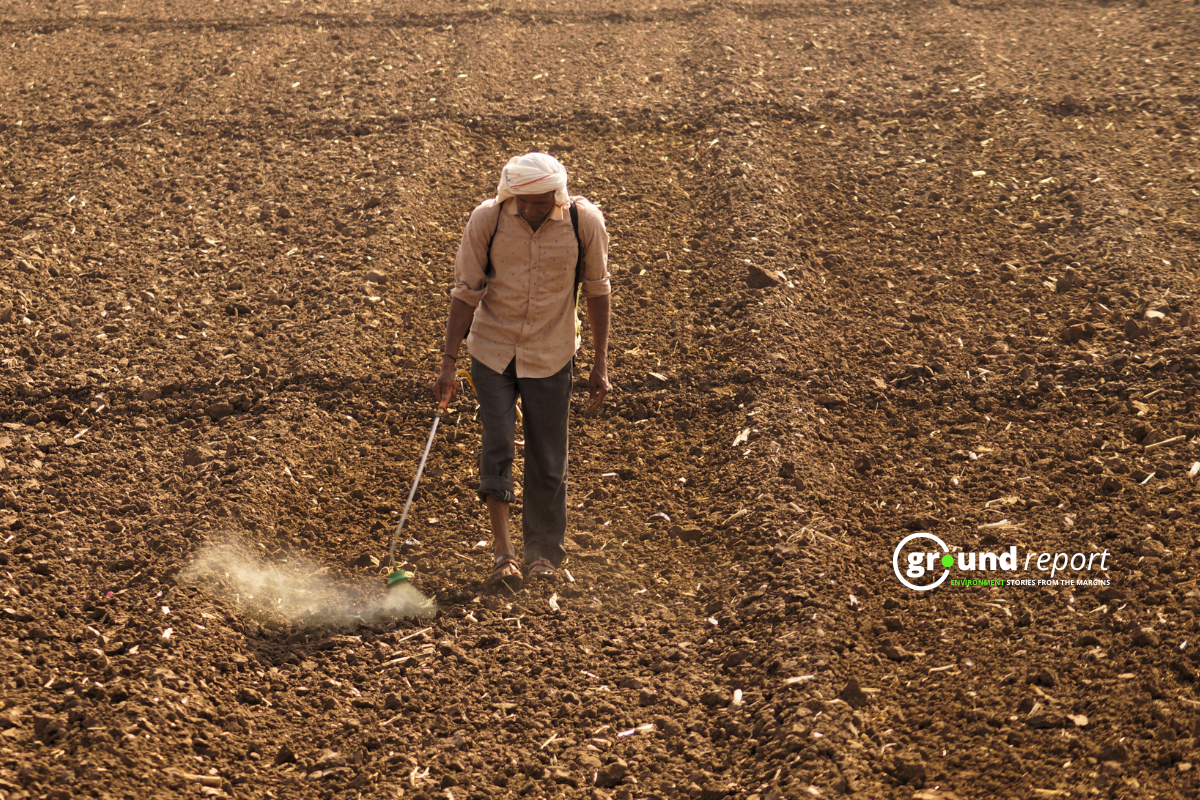
A recent study by the Centre for Science and Environment has exposed a critical threat to India’s agricultural foundation: widespread soil nutrient depletion affecting millions of farmers nationwide.
The research reveals that approximately 64% of India’s soil samples show nitrogen deficiency, while 48% lack adequate organic carbon—two nutrients essential for healthy crop growth and sustained agricultural productivity.
The Numbers Tell a Troubling Story
Beyond nitrogen and carbon, the crisis extends to micronutrients. About 56% of Indian soil is deficient in boron, 34% lacks sufficient zinc, and 19% shows iron deficiency. These shortages directly impact crop yields, quality, and nutritional value.
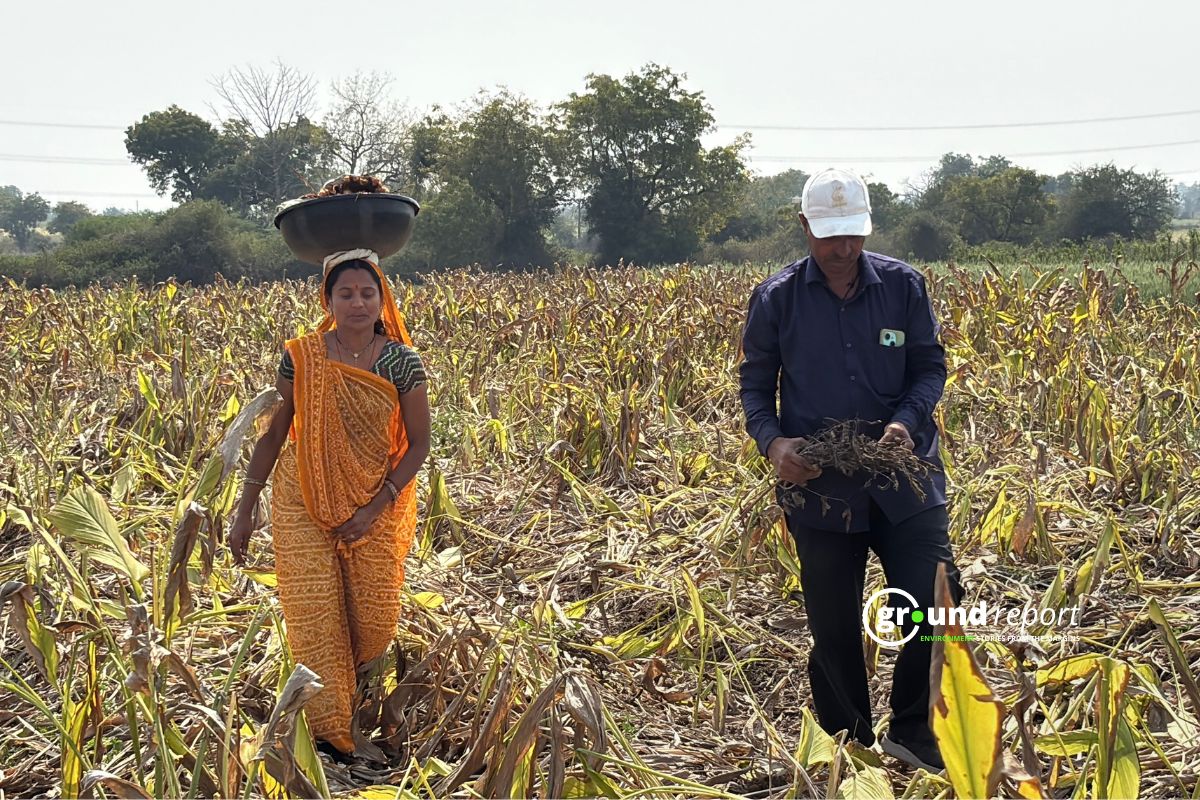
Madhya Pradesh, one of the most actively tested states under the Soil Health Card Program, exemplifies the problem. Despite using less nitrogen fertilizer than the national average, 64% of its soil still shows nitrogen deficiency, while 61% of samples from northern plains and central plateau regions lack organic carbon.
The consequences are severe. Nitrogen deficiency can reduce crop yields by 25% or more, causing stunted growth and yellowing leaves. Organic carbon depletion weakens soil structure, reduces moisture retention, and diminishes climate resilience—making crops more vulnerable during droughts.
For farmers, this translates to lower incomes, inferior crop quality, and increased expenses on fertilizers that fail to deliver guaranteed results.
Solutions Within Reach
The CSE report emphasizes that recovery is possible through organic interventions. Farmyard manure, vermicompost, and biochar can restore soil health and rebuild nutrient balance.
Remarkably, increasing soil organic carbon by just 0.1% could significantly boost crop productivity while absorbing substantial carbon dioxide, supporting India’s climate goals.
Experts argue that chemical fertilizers alone cannot solve this crisis. A shift toward balanced nutrient management incorporating organic matter is essential to restore India’s soil health and secure food production for future generations.
The question now is whether policymakers and farmers will act before the damage becomes irreversible.
Support us to keep independent environmental journalism alive in India.
More Video Reports
Chitrakoot: Third River Linking in MP Promises Flowing Mandakini
Pench Tiger Reserve: How a Man Survived a Tiger Attack
Your support amplifies voices too often overlooked, thank you for being part of the movement.