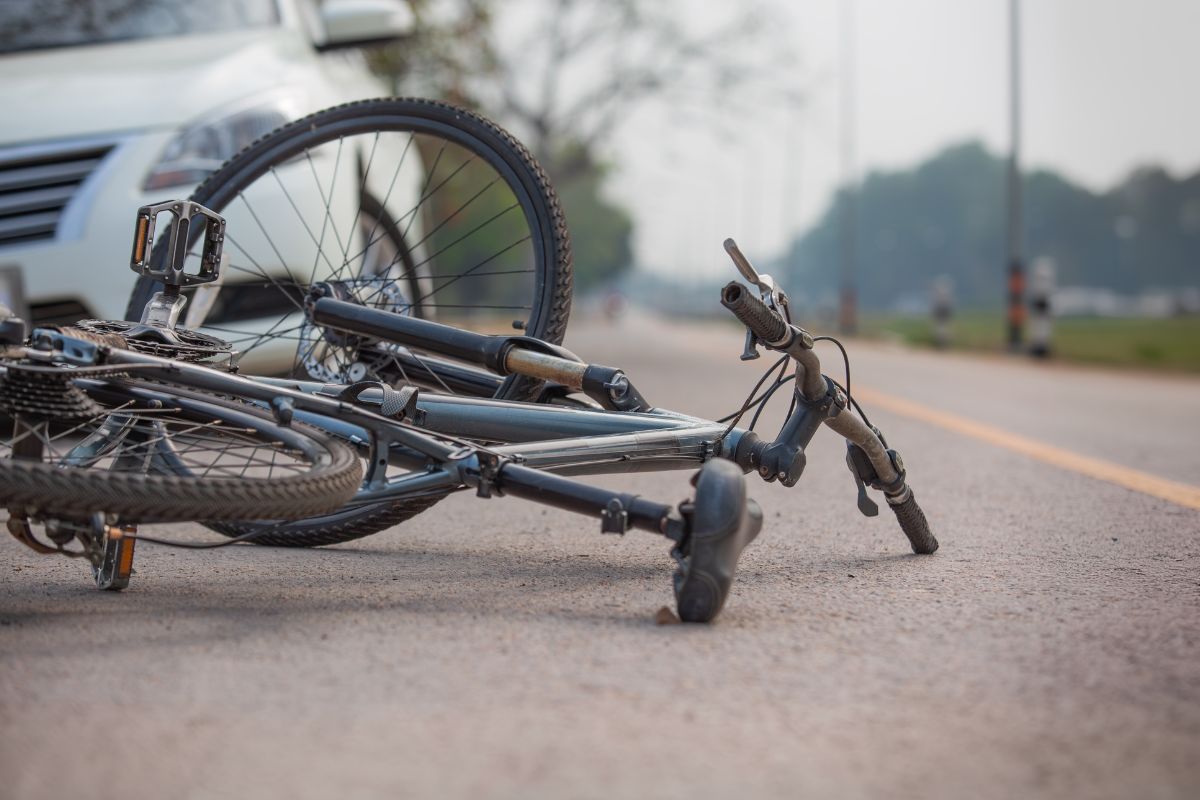
Owning a bike offers freedom, convenience, and quick mobility—especially in cities where traffic can slow everything down. But the same roads that make riding enjoyable also expose riders to risks such as accidents, theft, and unpredictable weather. Repair costs, medical expenses, or even total loss of the vehicle can cause significant financial strain. That’s why bike insurance is not a formality; it’s a necessity.
While third-party insurance is mandatory by law, it covers only damages caused to others. To protect your own two-wheeler from a wider range of risks, a comprehensive bike insurance policy is the smarter choice. It combines legal compliance with complete personal coverage, ensuring that both you and your vehicle stay financially secure.
Understanding Comprehensive Bike Insurance
Comprehensive bike insurance is an all-inclusive policy that covers damage to your bike as well as third-party liabilities. It is designed to handle the financial impact of accidents, natural disasters, theft, or vandalism.
A typical plan includes:
- Own-damage cover for your bike.
- Third-party liability for injury, death, or property damage.
- Protection against fire, theft, and total loss.
- Coverage for natural calamities such as floods, earthquakes, or storms.
- Coverage for man-made incidents such as riots, strikes, or malicious acts.
The policy also includes a personal accident cover for the owner-rider and can be enhanced further with add-ons for broader protection.
Why It’s Better Than a Basic Policy
A third-party plan only fulfils legal requirements—it does not pay for your bike’s repairs or replacement. If your two-wheeler is damaged or stolen, you bear the full cost. Comprehensive insurance, on the other hand, ensures financial assistance for almost every situation.
For example, if your bike skids and gets damaged, the insurer pays for repairs. If it’s stolen, you receive compensation equal to its insured declared value (IDV). If a natural disaster destroys it, you’re still protected. This kind of coverage transforms bike ownership from a risk into a secure investment.
Advantages of Comprehensive Bike Insurance
1. Complete Financial Protection:
It covers both your own vehicle and third-party liabilities, protecting you from large, unexpected expenses.
2. Wide Coverage Scope:
The policy covers natural and man-made disasters, ensuring year-round protection regardless of the cause of damage.
3. Theft and Total Loss Compensation:
If your bike is stolen or damaged beyond repair, you receive the IDV, allowing you to recover the financial loss.
4. Personal Accident Cover:
The owner-rider is protected in case of accidental injury or death while riding.
5. Optional Add-Ons for Extra Benefits:
You can include features such as zero depreciation cover, roadside assistance, consumables protection, and engine guard for maximum peace of mind.
6. Better Resale Value:
A well-insured bike that has been properly maintained and repaired through authorised garages retains better resale value.
Buying Bike Insurance Online
The simplest and fastest way to get comprehensive bike insurance today is online. Digital platforms allow you to compare plans, customise coverage, and complete the process without paperwork or agent involvement.
Steps to buy online:
- Visit a trusted insurer’s website or aggregator portal.
- Enter your bike’s registration number and details such as make, model, and year.
- Choose comprehensive coverage and select optional add-ons if required.
- Compare premiums and inclusions across providers.
- Complete payment securely and download your policy immediately.
Online purchase ensures transparency, quicker renewals, and secure digital documentation. Most insurers also send renewal reminders and allow you to track your no-claim bonus easily.
Key Features to Consider
Before purchasing a comprehensive plan, evaluate these essential features:
Own Damage Cover:
This protects your bike against accidents, fire, theft, and natural or man-made disasters.
Third-Party Liability:
Mandatory under Indian law, this covers compensation for damages or injuries caused to another person or their property.
Personal Accident Cover:
Provides compensation in case of accidental death or permanent disability of the insured rider.
Add-On Covers:
- Zero depreciation cover for full repair cost without value deduction.
- Engine and gearbox protection for water or oil leakage damage.
- Roadside assistance for breakdowns or emergencies.
- Accessories cover for high-value add-ons such as anti-theft devices.
- Pillion rider accident cover for additional passenger protection.
No-Claim Bonus (NCB):
Each year without a claim earns a discount on renewal premiums, which can go up to 50% over time.
Factors That Affect Premiums
The cost of comprehensive bike insurance depends on several factors:
- Insured Declared Value (IDV): The current market value of your bike determines the maximum claim amount.
- Cubic Capacity: Bikes with higher engine capacity attract higher premiums.
- Location: Urban areas with higher traffic and theft rates usually have higher premiums.
- Add-Ons: Additional covers increase the premium slightly but improve protection.
- Age and Model: Older bikes have lower IDV but may require higher maintenance coverage.
You can lower premiums by maintaining a clean driving record, installing approved anti-theft devices, and renewing on time to retain the no-claim bonus.
Common Mistakes to Avoid
Many bike owners buy the cheapest policy available without checking its scope. A low-premium policy may exclude essential covers, leading to large expenses during claims.
Another common mistake is missing renewal deadlines. If the policy lapses, coverage stops immediately, and reinstating it may require bike inspection and extra fees.
Some riders forget to transfer insurance when selling or buying a used bike. Ownership transfer of the vehicle must be followed by policy transfer to maintain legal validity.
Filing a Claim
In case of an accident or loss, follow these basic steps:
- Inform your insurer immediately after the incident.
- File an FIR if required, especially in case of theft or third-party injury.
- Take the bike to an authorised network garage for inspection.
- Submit the necessary documents such as registration certificate, driving licence, and policy copy.
- The insurer assesses the claim, and after approval, the garage repairs the bike on a cashless basis.
For non-network garages, you can pay upfront and later claim reimbursement. Maintaining proper documentation ensures smoother claim settlement.
Why Comprehensive Insurance Is Worth the Cost
Although bike insurance costs more than a basic third-party plan, the difference in protection is significant. The premium you pay each year is small compared to the expenses of repairing or replacing a damaged or stolen bike.
For new, high-end, or daily-use motorcycles, comprehensive coverage is indispensable. It provides financial security, convenience, and confidence that you can handle any setback without worry.
Final Thoughts
A comprehensive bike insurance policy does more than fulfil legal obligations—it safeguards your two-wheeler from almost every major risk. Buying bike insurance online adds convenience, clarity, and control over the coverage you choose.
Whether you commute daily or ride occasionally, ensuring full protection for your bike is the most practical investment you can make. A comprehensive policy means you’re covered not just for accidents, but for peace of mind every time you start the engine.
Disclaimer: This content is provided by a third party and does not reflect the views or opinions of Ground Report. No journalist is involved in creating this material, and it does not imply any endorsement by the editorial team. Ground Report Digital LLP takes no responsibility for the content that appears in third-party articles and the consequences thereof, directly, indirectly or in any manner. Viewer discretion is advised.
Follow Ground Report on X, Instagram and Facebook for environmental and underreported stories from the margins. Give us feedback on our email id greport2018@gmail.com.
Keep Reading
Tank under construction, dam under repair & Chanderi Village struggles for water?
Constructed wetlands can provide a solution for wastewater treatment