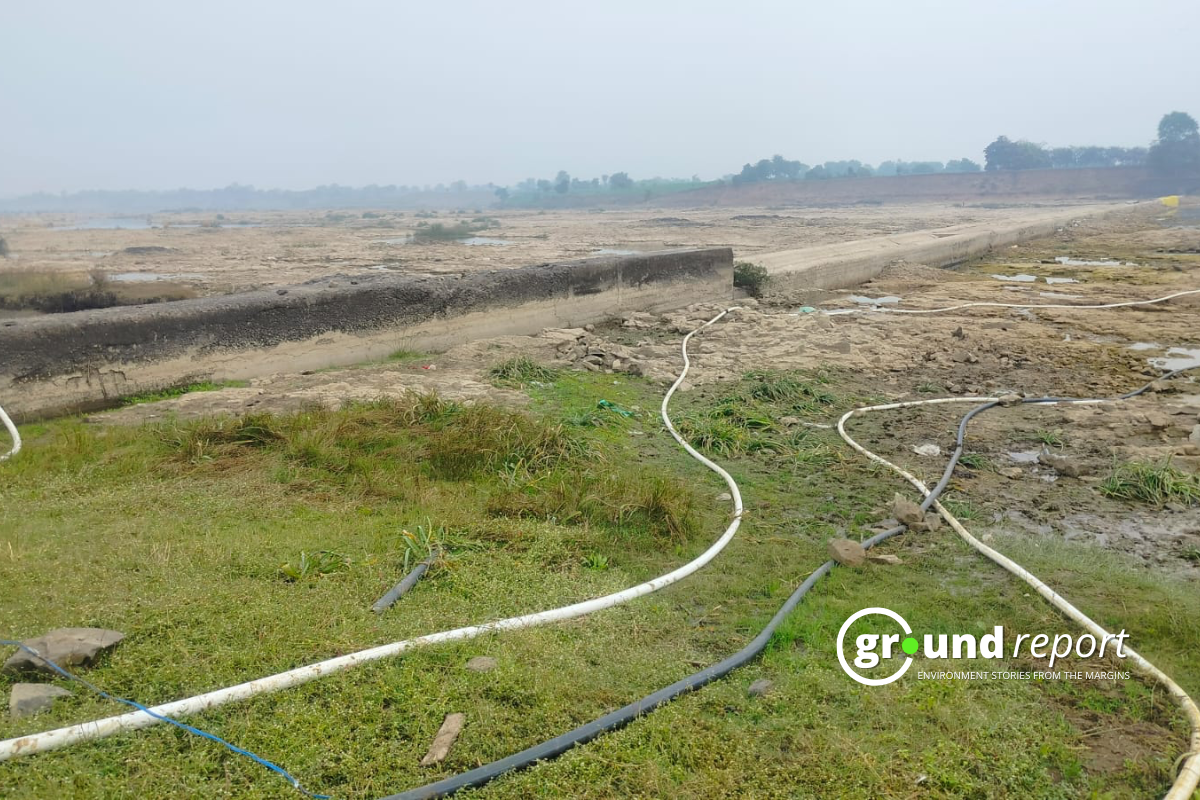
The Betwa River, a major water source in Madhya Pradesh, has dried up at its origin in Jhiri village, 25 km from Bhopal. Flowing for 590 km before joining the Yamuna, the river has had no natural flow for five months. Villagers recall the river first dried up in April-May last year, revived during the monsoon, and dried up again. Currently, the only visible water near the origin comes from wastewater released by the Kolar Water Filtration Plant, 1.5 km away.
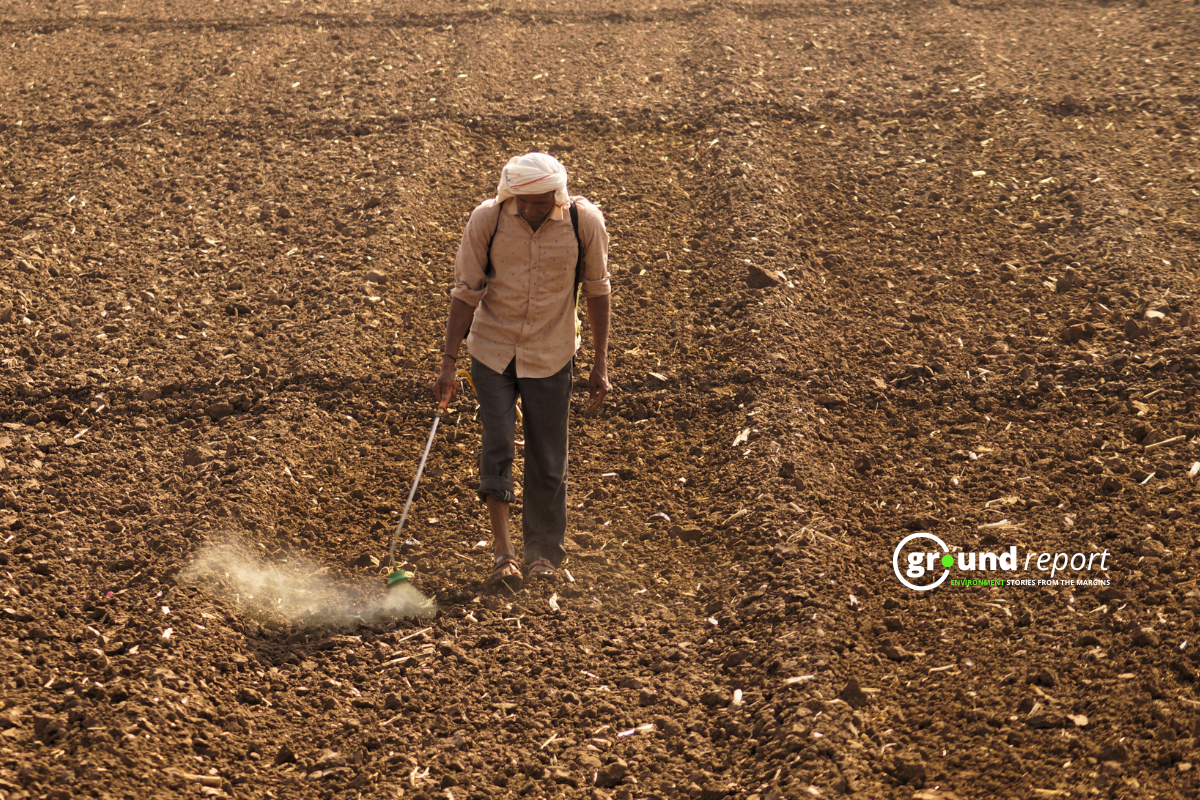
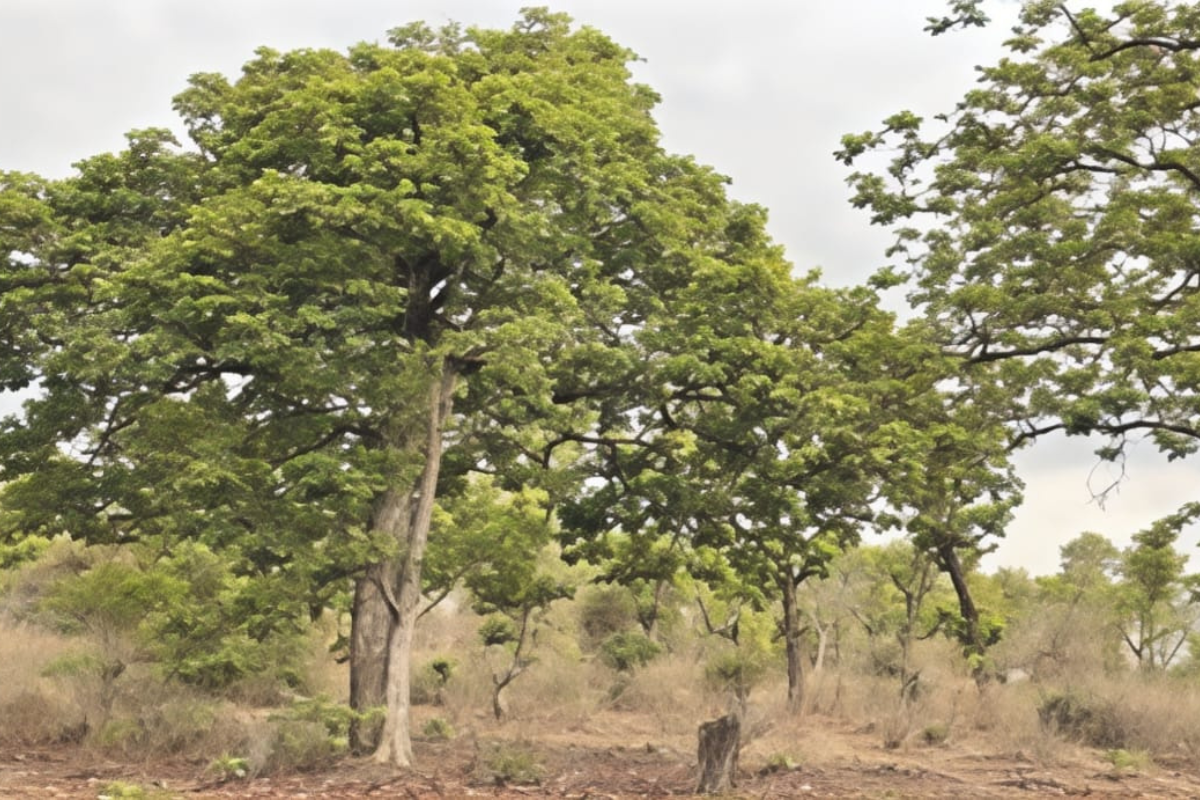
Experts believe changing farming practices, increased borewell usage, deforestation, and construction activities are responsible for the drying of the river. Dr. Sitaram Tagore, a river hydrology expert, identified key factors, including the shift from wheat and gram cultivation to water-intensive paddy and moong, widespread borewell drilling under the Nal Jal Yojana, and forest clearing in the catchment area.
He also noted that a borewell near the river’s origin may have cracked an aquifer layer, causing groundwater to seep further underground. Also, the growing number of traditional stepwells and wells with concrete structures has reduced their ability to recharge groundwater.
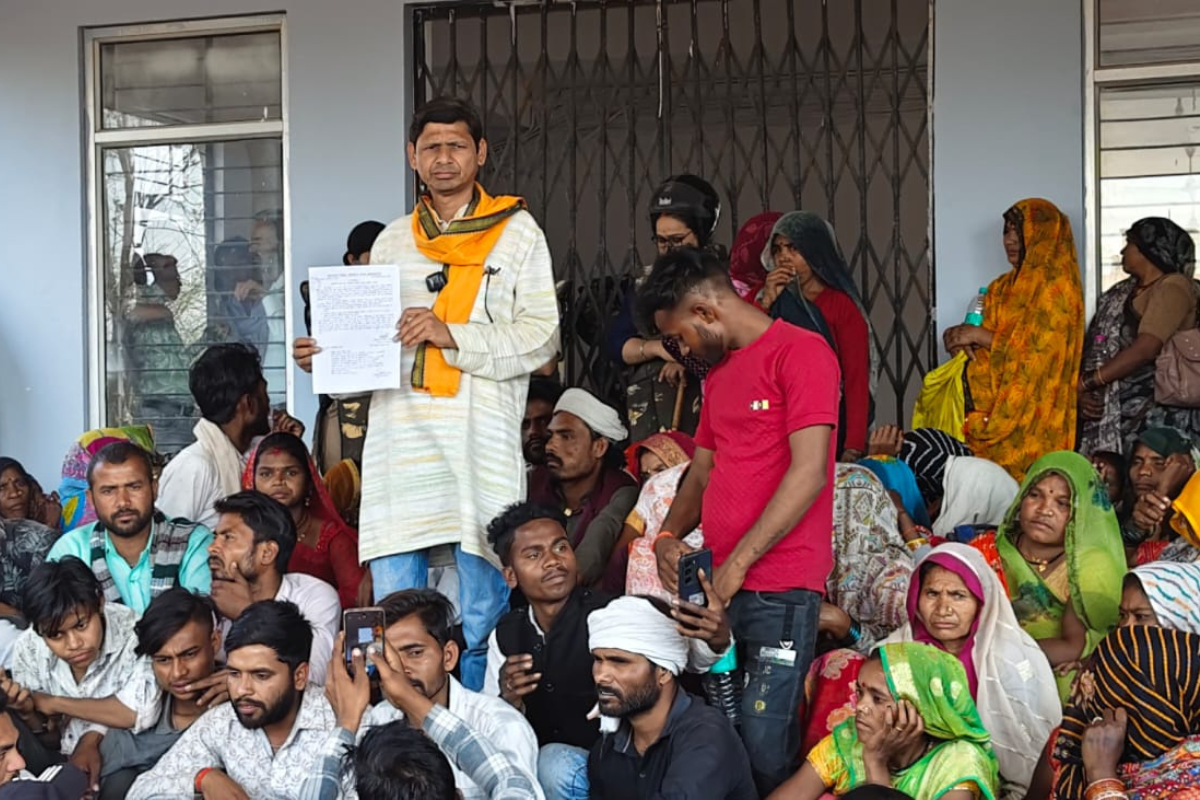
Kamal Singh Gurjar, Sarpanch of Jhiri-Baheda Panchayat, confirmed that over the last three years, more farmers have switched to paddy farming, increasing water consumption. He also pointed out that the growing number of borewells in nearby villages has significantly lowered the groundwater table, affecting wells and other natural water sources.
To address the crisis, the state government has announced a plan to tackle the issue. Water Resources Minister Tulsi Silavat stated, “The drying up of the Betwa River’s source is a serious issue. The Chief Minister is also concerned. We will conduct a survey to understand the causes.”
He adds, “The drying up of the state government will launch the “Jal Ganga Sanvardhan Abhiyan” from March 30. This initiative aims to remove encroachments from river sources, reduce pollution, and plant trees to protect and revive this vital waterway before the situation worsens”.
The drying up of the Betwa River’s source highlights the urgent need for better water management and conservation efforts. Experts and officials agree that immediate action is necessary to protect and revive this vital waterway before the situation worsens.
Support us to keep independent environmental journalism alive in India.
Keep Reading
California Fires Live updates: destructive wildfires in history
Hollywood Hills burning video is fake and AI generated
Devastating wildfire in California: wind, dry conditions to blame?
Los Angeles Cracks Under Water Pressure
From tourist paradise to waste wasteland: Sindh River Cry for help
Follow Ground Report on X, Instagram and Facebook for environmental and underreported stories from the margins. Give us feedback on our email id greport2018@gmail.com.
Don’t forget to Subscribe to our weekly newsletter, Join our community on WhatsApp, and Follow our YouTube Channel