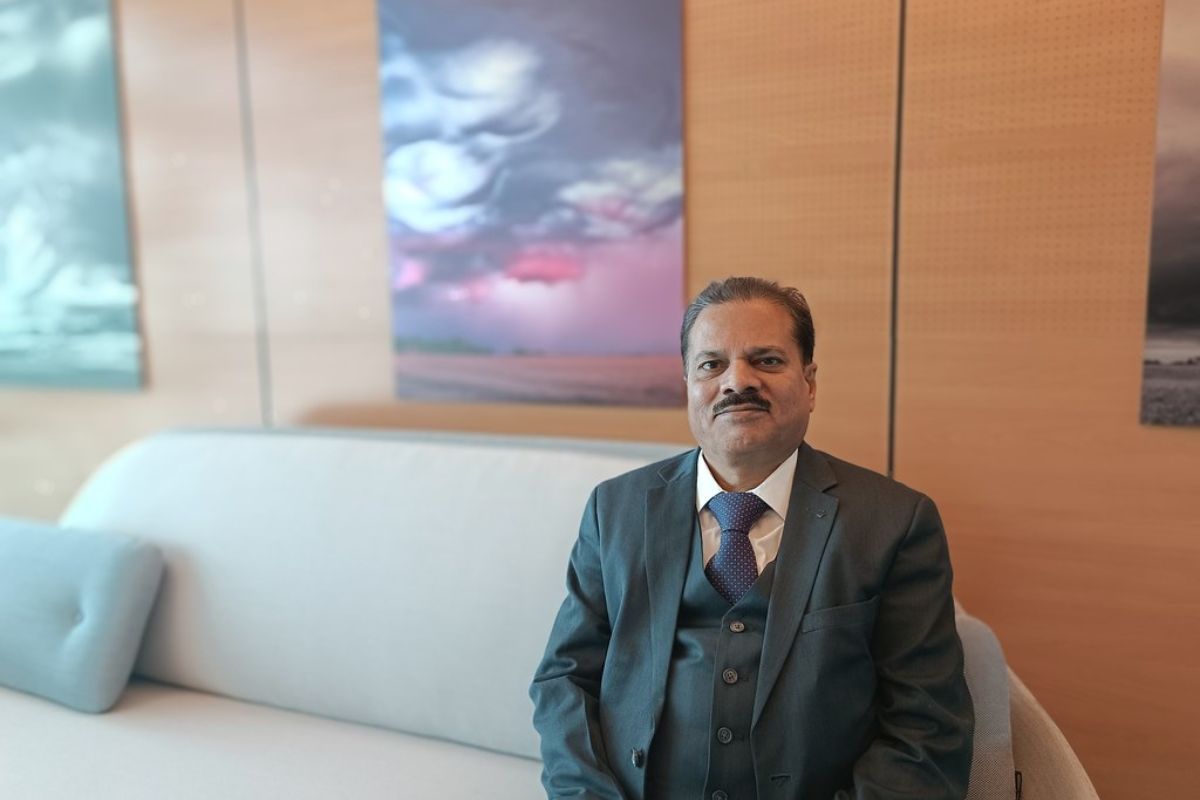
Mrutyunjay Mohapatra, Director General of the India Meteorological Department (IMD), sheds light on the evolving role of the agency amidst a backdrop of increasingly frequent and severe weather events. With climate change driving extreme heat waves and heavy rainfall, the IMD’s 150-year history has seen a shift towards more accurate forecasting methods to meet the demands of a changing climate and growing population.
IMD improves forecast accuracy significantly
IMD Director General Mrutyunjay Mohapatra speaks to Nikhil Ghanekar of Indian Express, Traditionally conservative in its long-range forecasts, the IMD has embraced dynamic modelling techniques, moving away from reliance solely on historical data to incorporate multi-model ensemble forecasts. This advancement, implemented in 2021, allows for more detailed spatial distribution forecasts and monthly predictions during the monsoon season. Mohapatra emphasizes that these improvements have significantly enhanced forecast accuracy, with an impressive 80% prediction rate since 2021.
Recognizing the importance of localized forecasts, the IMD has expanded its services to cover 1,200 cities, providing citizens with pincode-level weather information through initiatives like ‘Har, Har Mausam, Har Ghar Mausam’. Mohapatra stresses the need for every household to have easy access to weather updates, given the heightened risks to life and property posed by extreme weather events.
Despite advancements in short-term forecasting, long-range monsoon forecasts remain vital for sectors like agriculture, where rain-fed farming dominates. Early forecasts enable better planning for irrigation, power, and industry, ensuring efficient utilization of water resources.
IMD enhances heat wave alerts
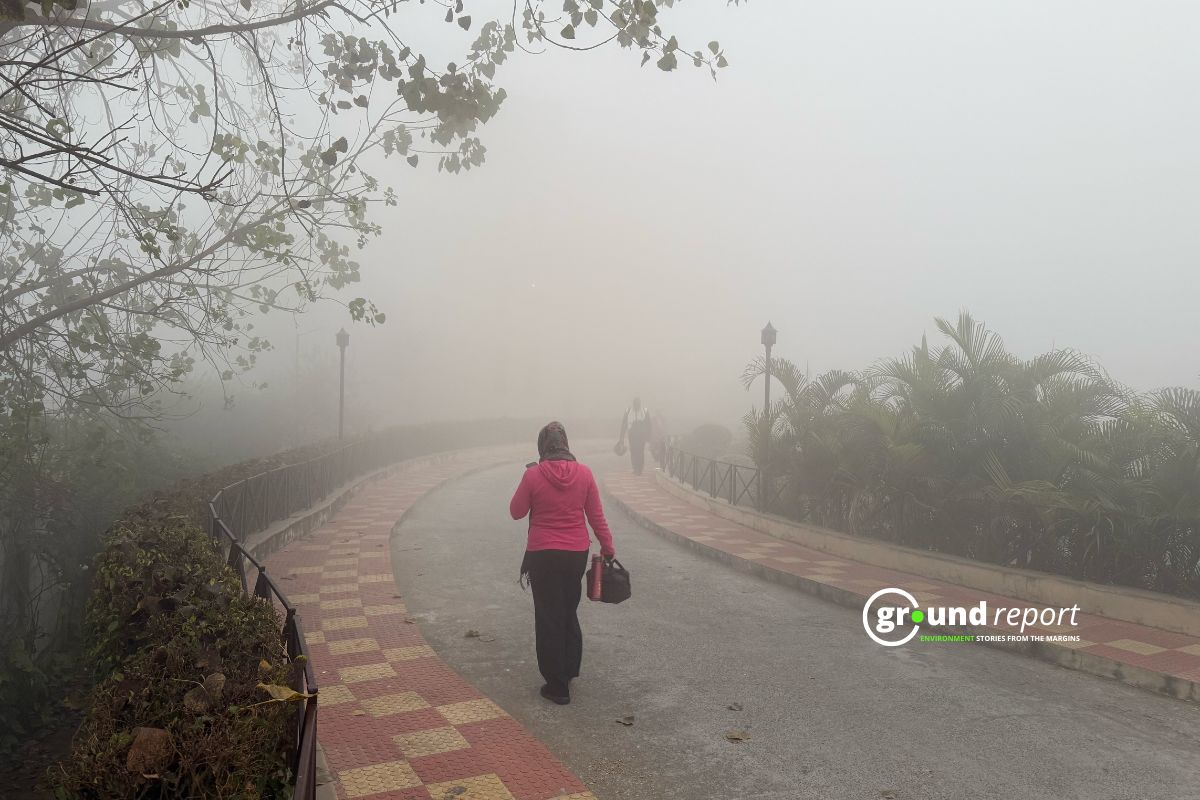
In response to the growing threat of heat stress, the IMD is refining its approach to issuing heat wave alerts. By considering factors such as warm nights, humidity, and historical data, the agency aims to provide more accurate and timely warnings. Humidity forecasts and composite heat indices are among the tools employed to convey the real-feel of hot conditions to the public.
Regarding recent extreme rainfall events in Dubai, Mohapatra attributes the phenomenon to the interaction of weather systems, highlighting the need for global collaboration in weather monitoring and prediction.
In terms of urban flooding mapping, the IMD’s focus has shifted to coastal cities initially, addressing the severe flooding risks they face. Efforts are underway to expand urban meteorological services to additional cities, leveraging advanced computing technologies to provide focused forecasts and enhance preparedness.
Follow Ground Report for Environmental News From India. Connect with us on Facebook, Twitter, Koo App, Instagram, WhatsApp and YouTube. Write to us at GReport2018@gmail.com and subscribe to our free newsletter.
Don’t forget to check out our climate glossary, and learn difficult environmental terms in simple language.