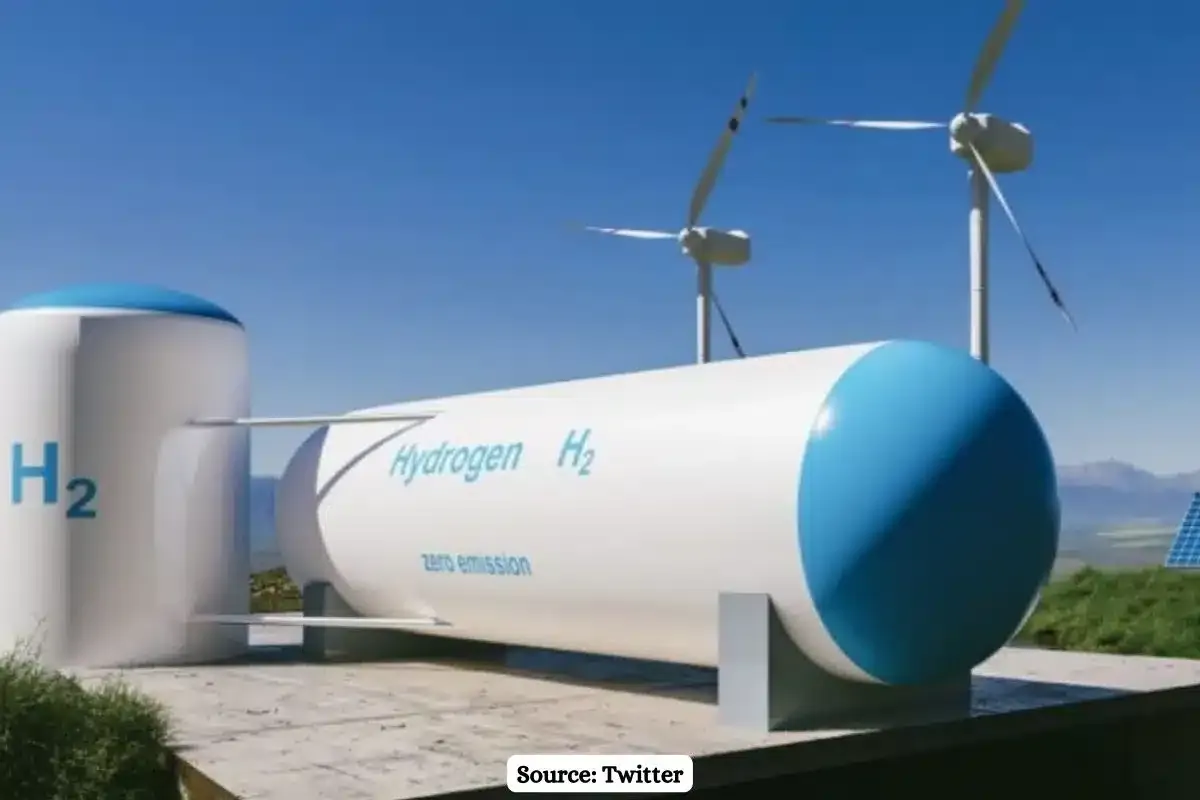
India is taking a big step towards clean energy with the Ministry of New and Renewable Energy (MNRE) introducing guidelines for setting up green hydrogen hubs. These hubs are part of the National Green Hydrogen Mission, which aims to boost the production of green hydrogen, a type of energy that doesn’t pollute the environment.
The MNRE, along with specific agencies, will be in charge of these hubs. They will help build the necessary infrastructure like storage and transportation facilities, pipelines, refuelling stations, and technologies for handling hydrogen safely.
The plan is to develop areas that can produce a lot of green hydrogen. The government wants to increase the production of this clean energy and make sure it’s done within a set budget. This will help make green hydrogen cheaper, encourage the development of related projects, and use resources more efficiently. It will also promote the use of green hydrogen both within India and for export, and improve the overall value of green hydrogen businesses.
By the year 2026, the mission aims to have at least two green hydrogen hubs ready. The government has set aside Rs 2 billion for this scheme, which will be used by the fiscal year 2025-2026.
A hydrogen hub is a place where hydrogen is made and used, with all the facilities needed for efficient operation. These hubs could be located inland or near ports to make exporting easier. They will serve areas with lots of refineries and industries that can use hydrogen.
Each hub should be able to produce at least 100,000 metric tonnes of hydrogen every year. The government prefers hubs that can produce even more. They also want to make use of existing infrastructure for hydrogen-related activities.
Under the PM Gati Shakti initiative, they’ll map out all the infrastructure, projects, and resources. The MNRE might also name other places as green hydrogen hubs to give them certain benefits, even if they don’t get financial help from the government.
An agency chosen by the ministry will ask for project proposals. These can come from various organizations like public and private companies, state corporations, and partnerships. The agency in charge needs to have the know-how to finish and sell the projects.
Proposals will be judged mainly on how much hydrogen they plan to produce. This will count for half of the evaluation. They’ll also look at the technology used, how the hydrogen will be used, and the financial commitment of the organizations involved.
The government will help fund the creation of these hubs, providing up to Rs 1 billion for each hub’s core infrastructure. This money will be given out in three parts: 20% when the project is approved, 70% as the project reaches certain milestones, and the last 10% when it’s all finished. The projects need to be done by March 31, 2026.
Keep Reading
Green hydrogen best option not only for climate but also for water crisis
Navi Mumbai’s IT hub project threatens biodiversity in mangroves and wetlands
National Hydrogen Energy Mission, Explained!
Could India’s green hydrogen mission increase carbon emissions?
Follow Ground Report for Environmental News From India. Connect with us on Facebook, Twitter, Koo App, Instagram, Whatsapp and YouTube. Write us on GReport2018@gmail.com and subscribe our free newsletter.
Don’t forget to check out our climate glossary, it helps in learning difficult environmental terms in simple language.