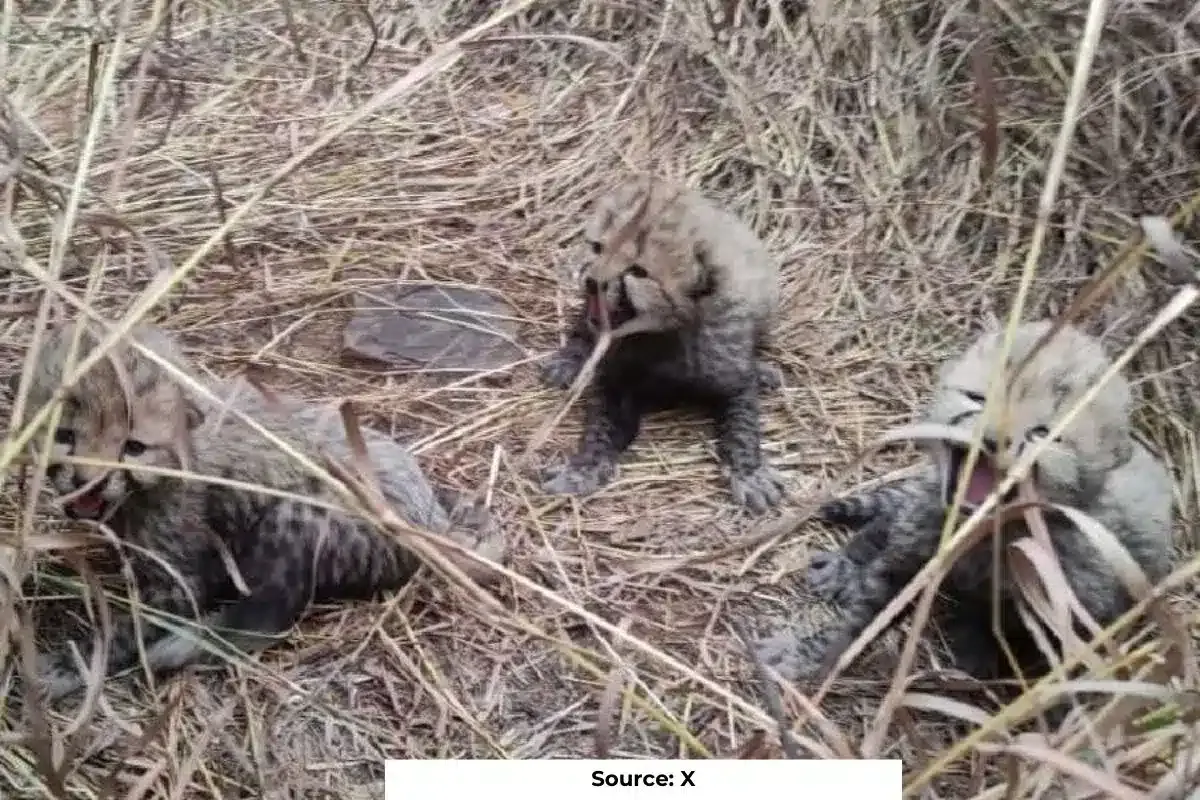
On January 3, Bhupender Yadav, the Union environment minister, announced via a social media post that three African cheetah cubs were born in India. This is the second batch of cubs born in the country since the launch of Project Cheetah in September 2022, which aims to introduce African cheetahs to selected grassland habitats in India.
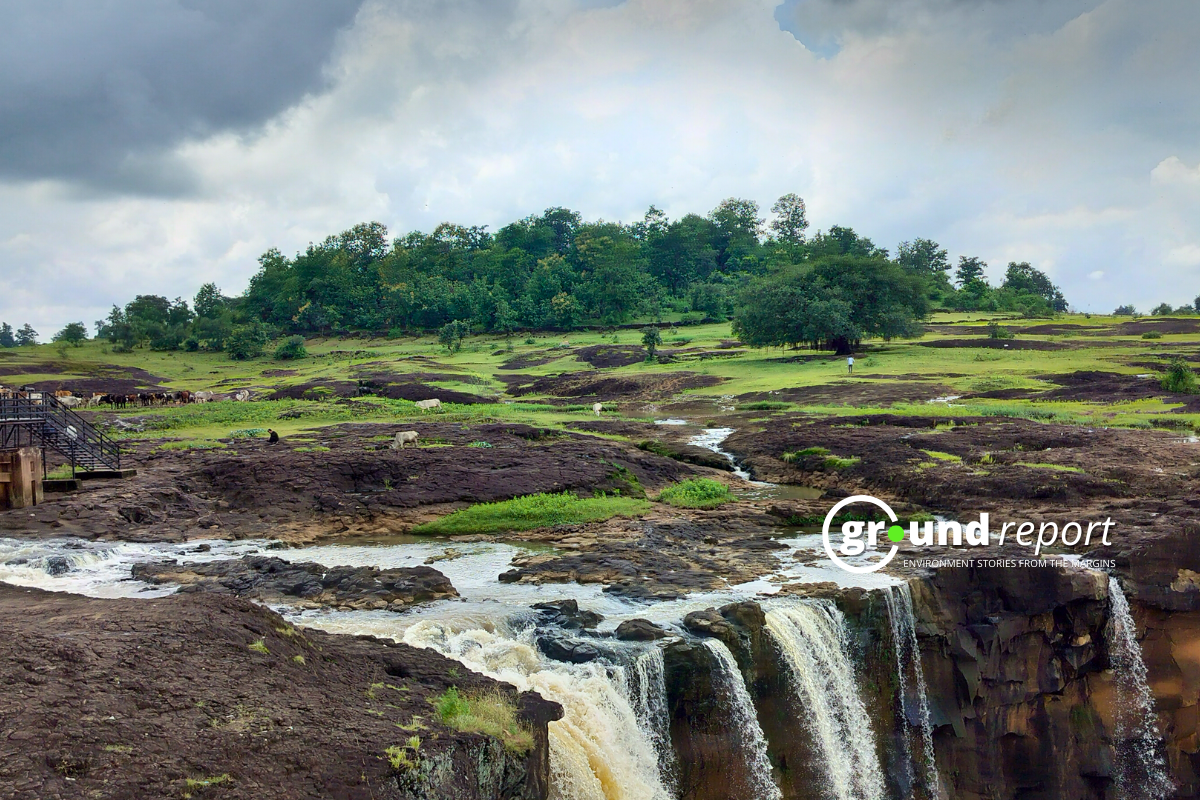
The first litter of four cubs was welcomed in late March 2023, but unfortunately, three of them did not survive. The newly born cubs are located in Madhya Pradesh’s Kuno National Park, the current site for Project Cheetah. They were born to Aasha, an African cheetah brought from Namibia on September 17, 2022.
Aasha was released into the wild in Kuno on March 11, 2023, but was recaptured and placed in an enclosure around July 20 due to concerns about the cheetahs’ health after several deaths from “traumatic shock”. The minister expressed his excitement about the new additions to Kuno National Park in his post, calling it a “roaring success” for Project Cheetah.
Officials and experts from the Cheetah project assert that they anticipated some cheetah deaths, which, while unfortunate, they should not view as a setback to the project’s long-term goals. The Cheetah project document defined a 50 percent cheetah mortality during the first year of introduction as a criterion for short-term success.
The exact birth date of the cubs is not mentioned in the post, but the video indicates that they have opened their eyes. According to the Cheetah Conservation Fund, cheetah cubs are born blind and helpless, usually weighing between 240 grams to 425 grams. They typically open their eyes between four to 11 days after birth.
This is the second litter of African cheetah cubs born in India since the launch of Project Cheetah, which began with the arrival of eight cheetahs from Namibia. In late March, another cheetah from Namibia named Jwala gave birth to four cubs.
However, three of these cubs died, one due to weakness and the other two due to dehydration caused by extreme heat and dry summer wind. The survival rate of cheetah cubs in the wild is only 10%, according to the Madhya Pradesh Forest Department.
Keep Reading
- Indigenous Communities In J&K Struggle With Increasing Lightning Risks To Livelihoods
- Bhopal: Street Vendors Still Pay Illegal ‘Fees’ Despite CM’s Directive
- Monsoon Disasters Increased In Uttarakhand In Last Four Years, Claim 213 Lives
Follow Ground Report for Climate Change and Under-Reported issues in India. Connect with us on Facebook, Twitter, Koo App, Instagram, Whatsapp and YouTube. Write us on GReport2018@gmail.com.