Barring ill, pregnant, travelers, elderly, Muslims keep fast between sunrise & sunset
Every year, Muslims all over the world would begin fasting upon sighting the new crescent moon, the ninth month of the Islamic calendar and the most important month in Islamic culture.
Muslims all around the world view the month as extremely important, saying it fosters tolerance and cleanses the spirit and body.
What is Ramadan
The ninth month of the Islamic calendar is marked by extreme spiritual austerity in honor of Prophet Mohammed’s (PBUH) receiving the Holy Qur’an for the first time.
Ramadan’s name derives from the Arabic word “ar-ramad,” which implies intense heat. Muslims adhere to the belief that the Quran, the Islamic holy book, was revealed to Prophet Muhammad (PBUH) by the angel Gabriel.
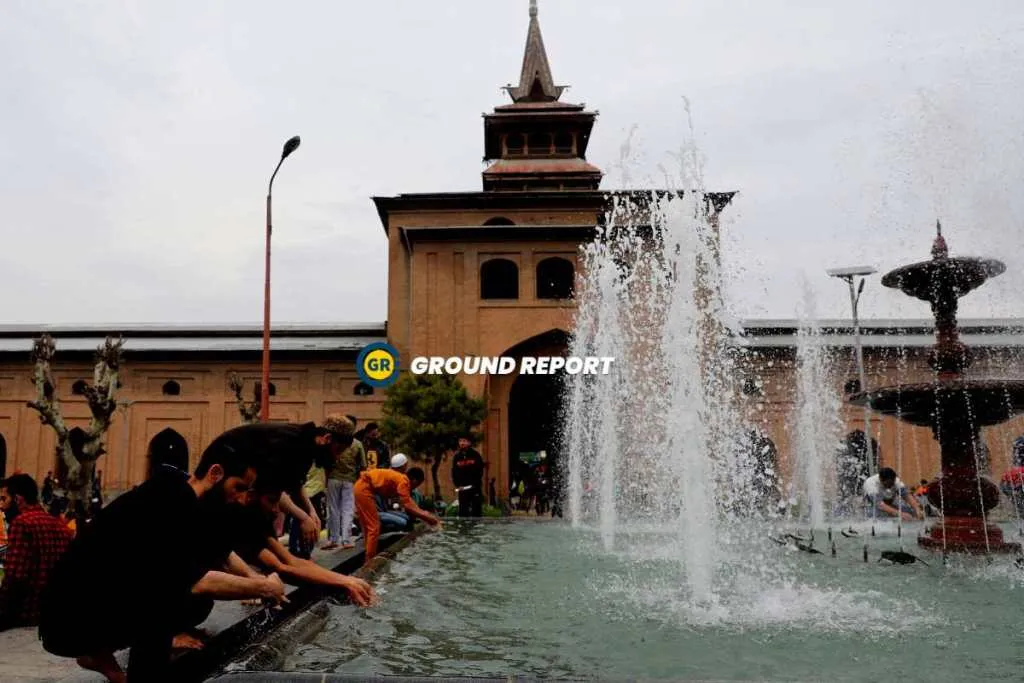
Muslims believe that revelation, Laylat Al-Qadar—or the “Night of Power”—has occurred during the month of Ramadan.
For Ali Mohammad Bhat, 60, the month of Ramadan is all about giving (charity) and attaining the maximum level of faith, noting that the month is a part of his life and that he always eagerly awaits it’s next arrival.
Bhat, emphasizing the month’s significance, told Groundreport.in that Ramadan month offers greater rewards for prayers and generosity over the other 11 months.
“The rewards promised in the holy book Quran and Hadees (sayings of Prophet PBUH) for fasting are due to the fact that the holy book was revealed to our beloved prophet (PBUH) in this month,” he explained.
Highlighting the rewards of charity, Bhat said that this month has 70 times more rewards than other months, stating that such is the importance of the month, for every good Islamic act there are extra rewards.
Why do Muslims fast?
Muslims strive to improve spiritually and strengthen their relationships with Allah during Ramadan. They accomplish this by praying and reciting the Quran, acting with intention and selflessness, and refraining from gossiping, lying, and fighting.
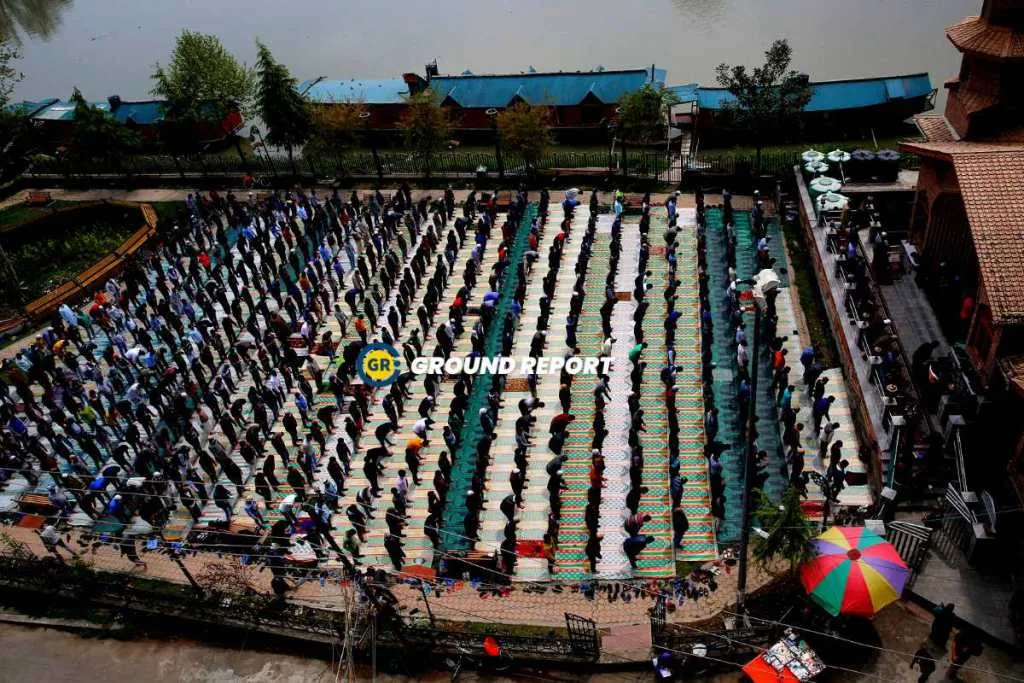
Fasting between sunrise and dusk is mandatory for all Muslims throughout the month, with the exception of those who are unwell, pregnant, travelling, older people, or menstruating. Fasting days missed can be made up throughout the year, either all at once or one day at a time.
Pre-dawn breakfast, or Suhoor, usually occurs around 4:00 A.M before the first prayer of the day—Fajr. The evening meal Iftar, can begin once the sunset prayer—Maghreb, is finished normally around 7:00 PM.
Since the Prophet Mohammad (PBUH) broke his fast with dates and a glass of water, following the practice, Muslims eat dates at both Suhoor and Iftar as well.
Ramadan observed in other ways
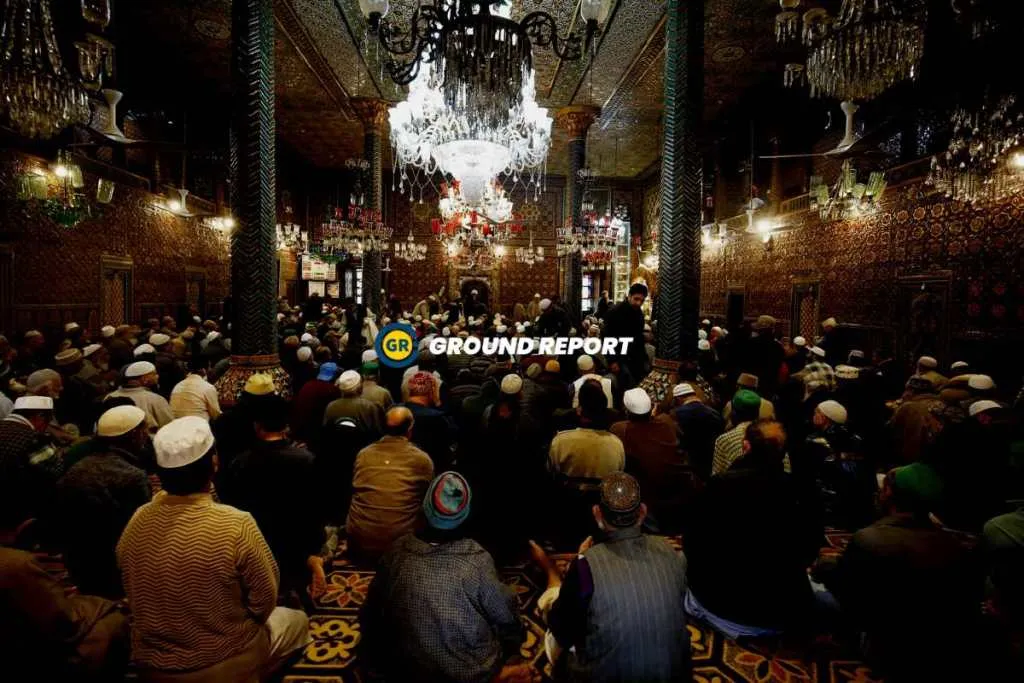
Some Muslims will additionally perform voluntary prayers known as ‘Tarawih,’ which are additional night prayers that can be prayed both alone and in a congregation in a mosque.
The month also encourages charitable donations to deserving institutions or organisations that assist those in need.
The month witnesses festive looks and jostling in marketplaces selling food items dates, basil seeds, dry coconut, snacks (Pakooday), large-sized Parnthas fried in oil, and other eatable items.
Notably, many Muslim restaurants and eateries don’t offer table service during Ramadan but do offer takeaways. After the last day of Ramadan, Muslims rejoice in its conclusion with Eid-Al-Fitr, which begins with congregational prayers. Apart from praying, Muslims on mark the celebrations by eating, exchanging gifts, and paying respects to deceased relatives and friends.
Keep Reading
- Why Muslims in many countries didn’t fast during Ramadan?
- Why is Ramadan the holiest month in Islamic culture?
- Ramadan 2022: Countries with Longest and Shortest Fasting Hours
- Why do Muslim countries celebrate Eid on different days?
- In Pictures: Eid Celebration in Kolkata 2022
Follow Ground Report for Climate Change and Under-Reported issues in India. Connect with us on Facebook, Twitter, Koo App, Instagram, Whatsapp and YouTube. Write us at GReport2018@gmail.com