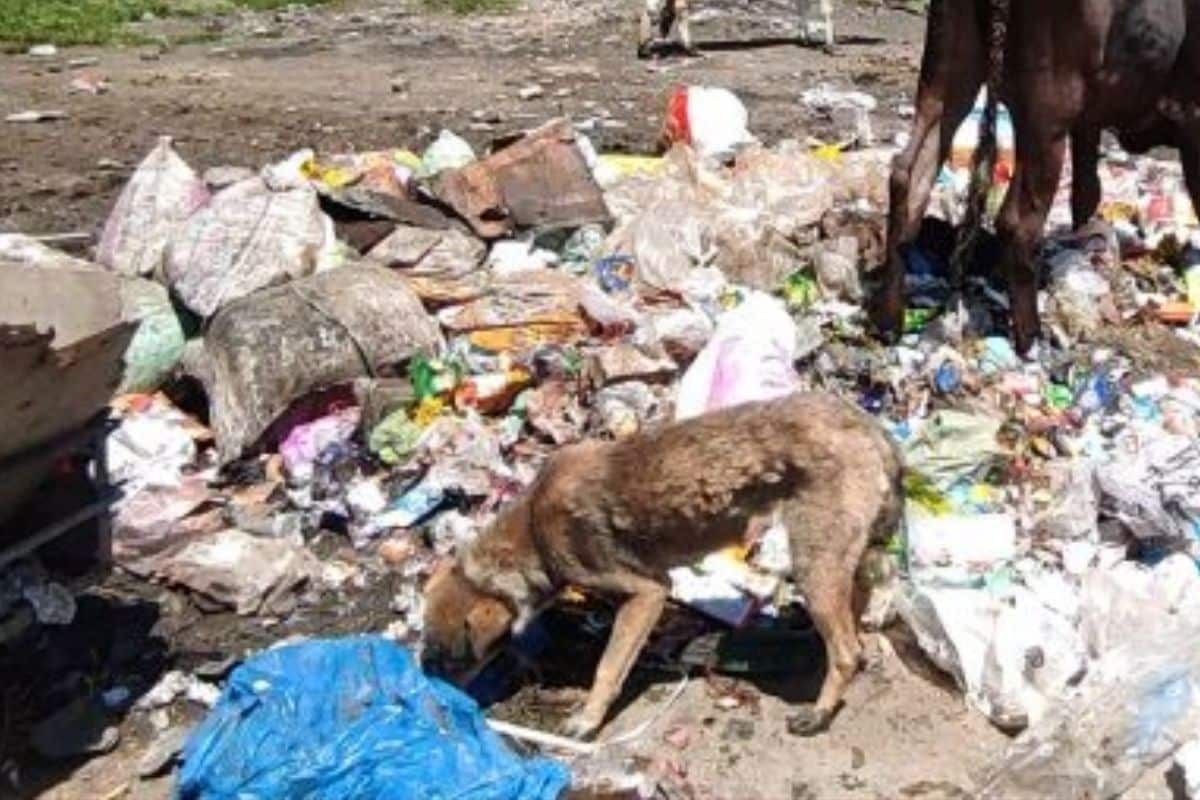
The Union Ministry of Health and Family Welfare in India has reported a decrease in dog bite cases across the country compared to 2018. Parshottam Rupala, Union minister for fisheries, animal husbandry and dairying, told the Lok Sabha that, in 2018, there were 7,567,811 reported cases of dog bites, while in 2023 up to October, there were 2,477,936 cases. This information comes from the National Centre for Disease Control.
To manage the stray dog population, the government follows a scientific method, primarily involving sterilization through surgical intervention. The Central Government introduced the Animal Birth Control Rules 2023 in March, replacing the previous rules from 2001. These rules aim to control the population of stray dogs and align with the directions of the Supreme Court of India.
The Animal Welfare Board of India issued the Revised ABC (Animal Birth Control) Module in 2015, as per the Supreme Court’s directive. This module outlines a scientific process for sterilization and provides guidelines for managing street dog populations, eradicating rabies, and reducing conflicts between humans and animals.
While there are sporadic reports of dog attacks in different parts of the country, the data from the Ministry of Health and Family Welfare suggests a decline in the number of attacks compared to 2018.
Number of attacks compared to 2018
| Year | Number of Dog Bite Cases |
|---|---|
| 2018 | 7,567,811 |
| 2019 | 7,277,523 |
| 2020 | 4,633,493 |
| 2021 | 1,701,133 |
| 2022 | 2,180,185 |
| 2023 (till October) | 2,477,936 |
Animal Birth Control Rules of 2023
The Animal Birth Control Rules of 2023 were introduced after reviewing the 2001 rules, emphasizing the importance of not neglecting responsibilities under the Prevention of Cruelty to Animals Act, 1960. The rules address the need for effective population control measures for stray dogs.
In response to the high incidence of rabies in India, the Ministry of Health & Family Welfare, along with the Ministry of Fisheries, Animal Husbandry & Dairying, launched the National Action Plan for Dog-Mediated Rabies Elimination in 2021. This plan includes the National Rabies Control program’s Human Health component, implemented by the Ministry of Health & Family Welfare.
Funds are allocated to states and union territories through the National Health Mission (NHM) to carry out various activities under the program. These activities include the procurement of rabies vaccine and rabies immunoglobulin, capacity building, awareness generation, and surveillance and monitoring. Local bodies are also involved in anti-rabies vaccination campaigns for stray dogs, coupled with the Animal Birth Control Programme.
Keep Reading
- IMD forecasts above-normal winter temperatures across India
- Drought Map: 23 countries in emergency, including India
- Climate chaos: 2023 breaks records, signaling global climate emergency
- Agricultural disasters cost farmers Rs 10.2 lakh crore every year
Follow Ground Report for Climate Change and Under-Reported issues in India. Connect with us on Facebook, Twitter, Koo App, Instagram, Whatsapp and YouTube. Write us on GReport2018@gmail.com.