
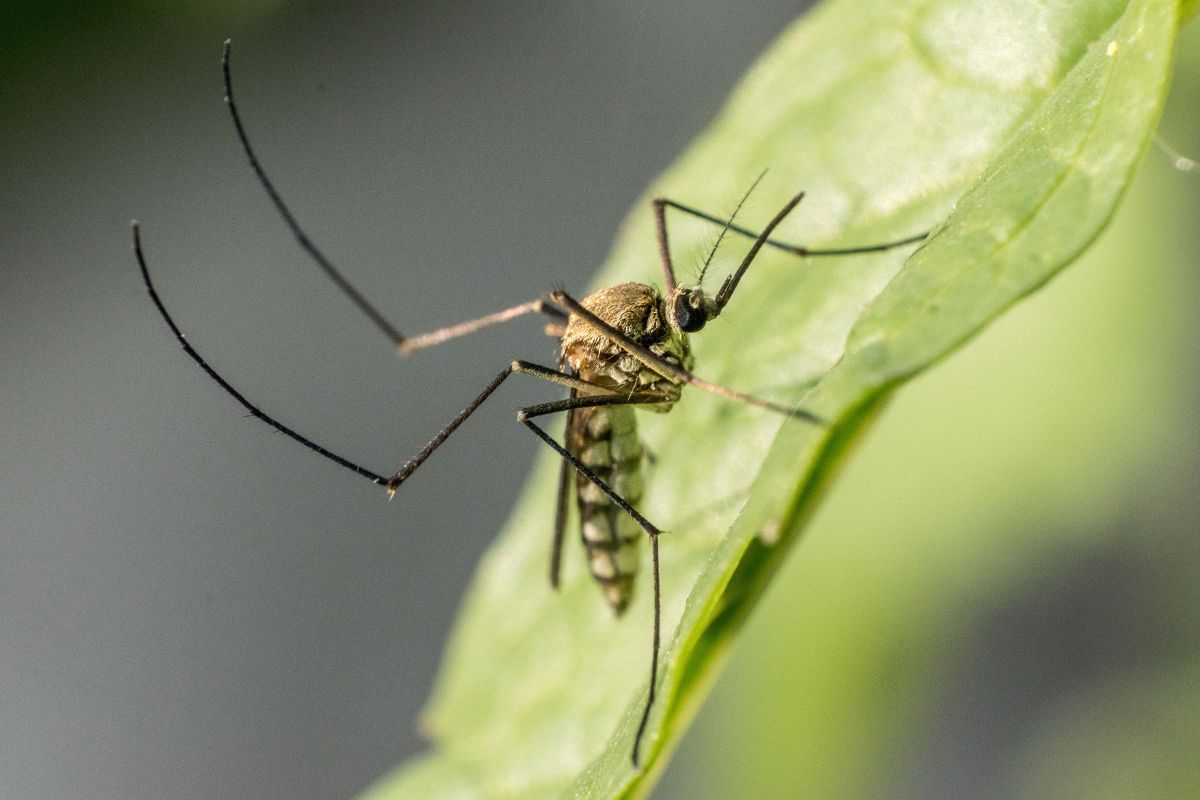
Mosquitoes do not bite randomly. Female mosquitoes detect carbon dioxide from human breath from up to 150 feet away, then home in on lactic acid, ammonia, and more than 300 chemical compounds released by the skin. A 2022 study published in Nature Scientific Reports confirmed that skin odour is a stronger attractant than body heat or moisture, which explains why one person at a dinner table gets bitten repeatedly while the person sitting next to them is left completely alone.
Pregnancy, alcohol consumption, recent exercise, and dark clothing all make a person more attractive to mosquitoes. Some of those factors can be controlled. Most cannot. That makes the real strategy two-pronged: mask the signals that draw mosquitoes in, and eliminate the places where they breed.
1. Remove Standing Water First
Adult mosquito repellents get most of the attention, but the single most effective step is removing standing water. Mosquitoes breed in stagnant water, a bottle cap’s worth is enough for larvae to develop.
Clearing plant saucers, buckets and any containers collecting rainwater cuts mosquito numbers at the source. Air-conditioning drip trays are among the most commonly overlooked spots in urban homes. Keeping water features moving also helps, as larvae must surface for air and cannot do so in flowing water. Pouring a mix of baking soda, vinegar and boiling water down drains twice a month during mosquito season removes the organic buildup where larvae grow.
2. Use Neem, Inside and Out
Among natural repellents, neem has the strongest scientific backing. A 2024 study in the American Journal of Entomology found neem products delivered 88.3% repellency against mosquitoes. A review published in Acta Tropica reported 90–100% protection against malaria-carrying vectors. What sets neem apart is that it works at every stage of the mosquito life cycle, eggs, larvae, pupae and adults.
Applied topically, neem oil mixed equally with coconut oil on exposed skin can provide protection for up to eight hours. Burning dried neem leaves in a metal dish at dusk has been shown in one study to achieve 100% indoor repellency. A 2025 study found neem-based coils achieved 98.7% mortality against Culex mosquitoes without the toxic compounds found in conventional coils.
In Ayurvedic practice, neem is also taken internally. The active compound azadirachtin disrupts insects’ olfactory receptors, making treated hosts far less detectable. One 500mg neem tablet daily for a week at the start of mosquito season is a practice supported by traditional use, though pregnant or nursing individuals should consult a doctor before taking any neem supplement.
3. Apply Lemongrass Oil as a Topical Repellent
Lemongrass (Cymbopogon citratus) is often more effective than what is commonly sold as citronella. Many plants labelled citronella at nurseries are scented geraniums, they smell similar but do not carry the active repellent compounds. True repellency comes from the Cymbopogon genus, to which lemongrass belongs.
Studies show lemongrass oil delivers 98.8% protection against the southern house mosquito and 74–95% protection for up to 2.5 hours under field conditions. Mixed equally with coconut oil and applied to wrists and ankles, it works as an effective topical repellent. Reapply every hour when outdoors. A few drops added to mopping water also helps reduce indoor mosquito activity.
4. Grow Repellent Plants Near Entry Points
Several common garden plants produce volatile compounds that interfere with mosquitoes’ ability to locate humans. Tulsi, grown near windows, releases eugenol, a compound with documented biochemical repellent properties. Lemongrass planted on terraces or balconies provides both culinary and protective value. Lavender, marigold, mint, basil, rosemary, lemon balm and geranium all contribute to a natural outdoor barrier, though their effective range is limited to a few centimetres around the plant.
These plants work best when placed at windows, doorways and outdoor seating areas where mosquito entry is most likely.
5. Burn Camphor and Clove Oil Indoors
Camphor burned near doorways and windows acts quickly and produces a smell tolerable to humans while disorienting mosquitoes. Unlike chemical coils, it does not fill a room with harmful fumes. Clove oil, diffused or burned in a lamp, overwhelms mosquitoes’ scent receptors and carries documented larvicidal properties. Both are traditional remedies with biochemical mechanisms confirmed by modern research.
Two Popular Remedies That Do Not Work
Vitamin B1 supplements are widely recommended online as a mosquito repellent. A 2022 scoping review published in the Bulletin of Entomological Research examined multiple controlled trials and found no repellent effect. In one study, mosquitoes actually probed sooner on people taking thiamine.
Garlic, tested by researchers at the University of Connecticut and reviewed in a 2005 study published in JAMA, showed no difference in bite rates compared to a control group.
| Method | How to Use | Effectiveness |
|---|---|---|
| Remove standing water | Weekly checks, daily in monsoon | Reduces breeding at source |
| Neem oil + coconut oil | Apply to exposed skin | Up to 8 hours, 88.3% repellency |
| Lemongrass oil + coconut oil | Apply to wrists and ankles | 74–98.8% for 2.5 hours |
| Repellent plants | Grow near windows and doorways | Disrupts mosquito scent tracking |
| Camphor and clove oil | Burn near entry points indoors | Fast-acting, human-tolerable |
No single remedy eliminates mosquitoes entirely. The most effective protection combines a topical repellent on exposed skin, natural deterrents near entry points, and consistent removal of stagnant water, addressing both the mosquito already flying and the next generation that has not yet hatched.
Support Us To Sustain Independent Environmental Journalism In India.
Keep Reading
Highway Halt Puts Kashmir’s Fruit Economy at Risk
Railway line expansion plan put Kashmir’s apple orchards at risk
Warmer winters in Kashmir raise concerns over apple and crop yields
Stay Connected With Ground Report For Underreported Environmental Stories.