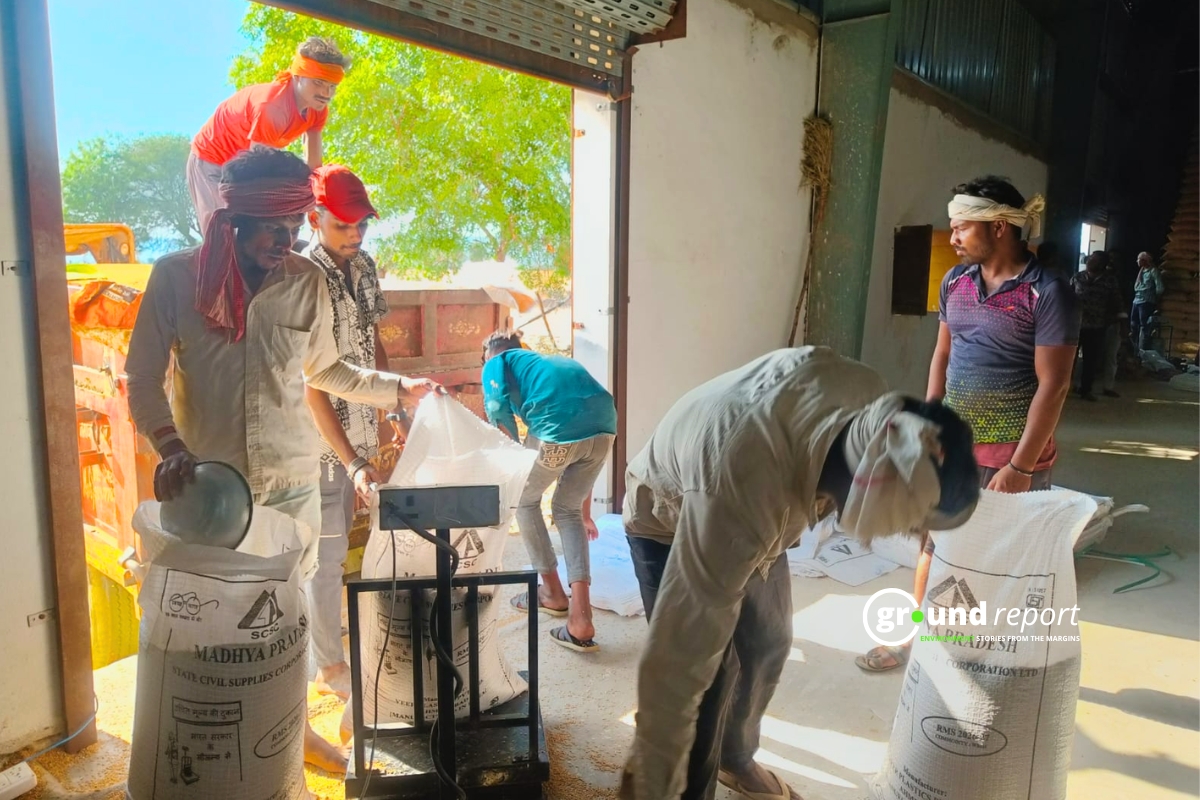
The state of Madhya Pradesh has become the top producer of maize in India after consistent growth in maize production across years.
A recent study by Rajmata Vijayaraje Scindia Krishi Vishwavidyalaya (RVSKVV) in Gwalior analyzed two decades of MP maize data from 2001 to 2021 and identified three key factors for the growth: comparative profitability relative to other crops, adaptability to diverse agro-climatic conditions, and lower water requirements than paddy and wheat.
Dr. Aditya Kumar Singh, principal scientist at ICAR-Indian Institute of Maize Research, Ludhiana, said the government’s push for ethanol—a fuel made from crops like maize and sugarcane—is the key driver.

“Maize is one of the major crops driving this [ethanol blending] program, and because of that, the area [in Madhya Pradesh] has jumped almost two million hectares within just two years,” he told Ground Report.
Amid the growth, vulnerabilities in the US-India trade deal have emerged. The US is the largest producer and exporter of maize (also called corn) with genetically modified varieties and federal subsidies. With mechanized agriculture, the farmers in the United States have better yields per hectare. Many experts think the deal could leave Indian farmers vulnerable, particularly in Madhya Pradesh.
Maize surge
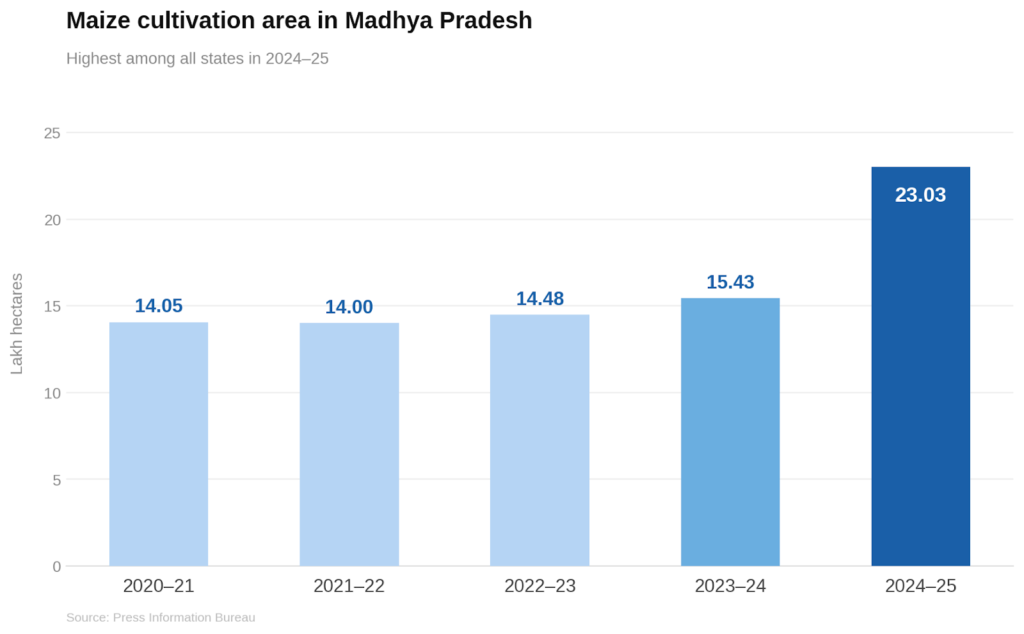
The area under maize increased from 15.43 lakh hectares in 2023–24 to 23.03 lakh hectares in 2024–25. Production rose from 49.33 lakh tonnes to 81.20 lakh tonnes during the same period, according to the state’s Economic Survey.
In India, maize feeds four main sectors: animal feed for poultry (44%), followed by bioethanol production (18%), food processing (15%), the starch industry (12%), and animal feed (11%). India is one of Asia’s largest maize suppliers, with countries such as Nepal, Bangladesh, Sri Lanka, Bhutan, and Malaysia relying on its exports.
“Maize has transformed from a food crop to an industrial crop, most of it now going to the ethanol industry, while the rest goes to livestock. The demand is rising from ethanol, food processing, and export markets alike,” Dr. Sain Dass, adviser on hybrid crops, National Seeds Corporation & former director, Indian Institute of Millets Research (IIMR), told Ground Report.
“Farmers also shifted to maize as soybeans and other crops were affected by viruses and low-lying area problems. Now, maize has become a remunerative crop. The ethanol industry is there, the food sector is there, and we also have export potential to Nepal, Sri Lanka, Bangladesh, Indonesia, Myanmar, and others,” Dr. Dass said.
India’s ethanol blending has reached the 20% target—to blend every liter of petrol with 20% ethanol—five years earlier than planned, in 2030. The All India Distillers’ Association (AIDA) said that in the ethanol supply year 2024-25, maize now contributes between 48% and 51% of the total ethanol supply. Madhya Pradesh contributes 15% of the country’s total maize production.
Ethanol produced from maize fetches ₹71.86 per liter from oil marketing companies, the highest procurement rate among all ethanol feedstocks, according to the Ministry of Petroleum and Natural Gas.
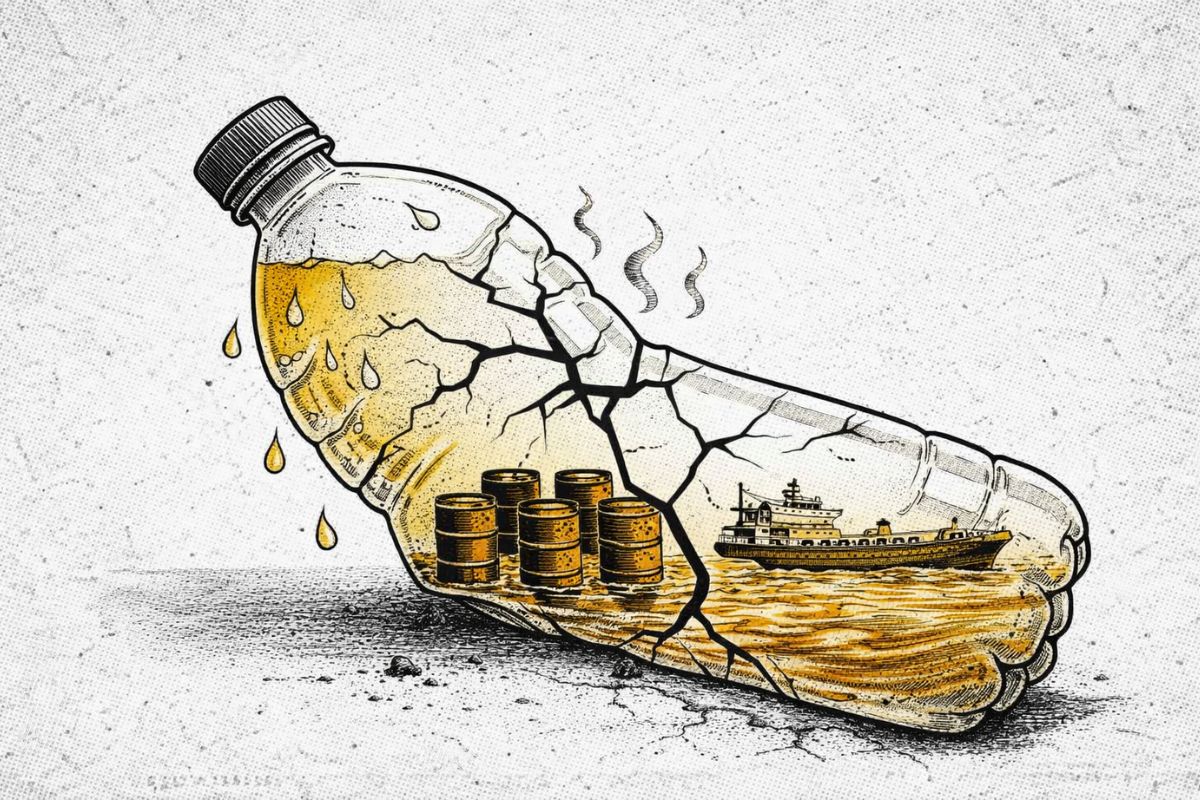
“There is already an energy crisis going on globally. That is also pushing the government to accelerate ethanol blending,” Dr. Singh said. India targets 30% ethanol (E30) blending by 2030.
Paddy declines
In May 2022, the state government launched the Crop Diversification Promotion Scheme to reduce farmers’ dependence on MSP-driven crops such as paddy and wheat and encourage the cultivation of fruits, vegetables, spices, and oilseeds.
The Economic Survey records a 6.39% contraction in paddy’s cultivated area, from 41.50 lakh hectares in 2023-24 to 38.85 lakh hectares in 2024-25. The total paddy harvest followed, falling 2.70% from 142.29 lakh tonnes to 138.45 lakh tonnes.
Ground Report’s field visit to Chhindwara, the southern part of Madhya Pradesh, in January 2025 found paddy farmers still counting losses from unseasonal rain that had damaged their paddy crop.
Devinder Sharma, an agricultural and policy expert, said the retreat from paddy in certain regions makes ecological sense. “We should shift away from paddy, where it is not a traditional crop. The ecological and environmental damage is obvious to everyone,” he said.

Paddy is one of India’s most water-intensive crops. It takes between 1,500 and 2,000 liters of water to produce one kilogram of paddy grain, according to a study published in the journal Agricultural Research.
And Madhya Pradesh has been identified as a water-stressed state under the central government’s Atal Bhujal Yojana groundwater conservation scheme. On top of that, climate change-induced weather events, like erratic monsoons, have pushed towards more reliable crops.
What is driving the shift
Dr. Gopal Singh Koshal, former director of agriculture for Madhya Pradesh and Chhattisgarh, pointed to the Rabi season, India’s winter crop cycle, sown between October and December, as a key driver of maize’s growing appeal. Maize needs water only every 15 to 20 days, unlike wheat or paddy, which needs it every seven days,” he said.
Farmers were switching to maize in the Rabi season (winter cropping period) to avoid Kharif (monsoon cropping period) losses. “In the Rabi season, even after a hailstorm, production was 36 quintals per acre,” one farmer said. “Maize gives me 30 to 35 quintals per acre. Wheat gives only 22 quintals at the same price,” another farmer from Chhindwara told Ground Report.
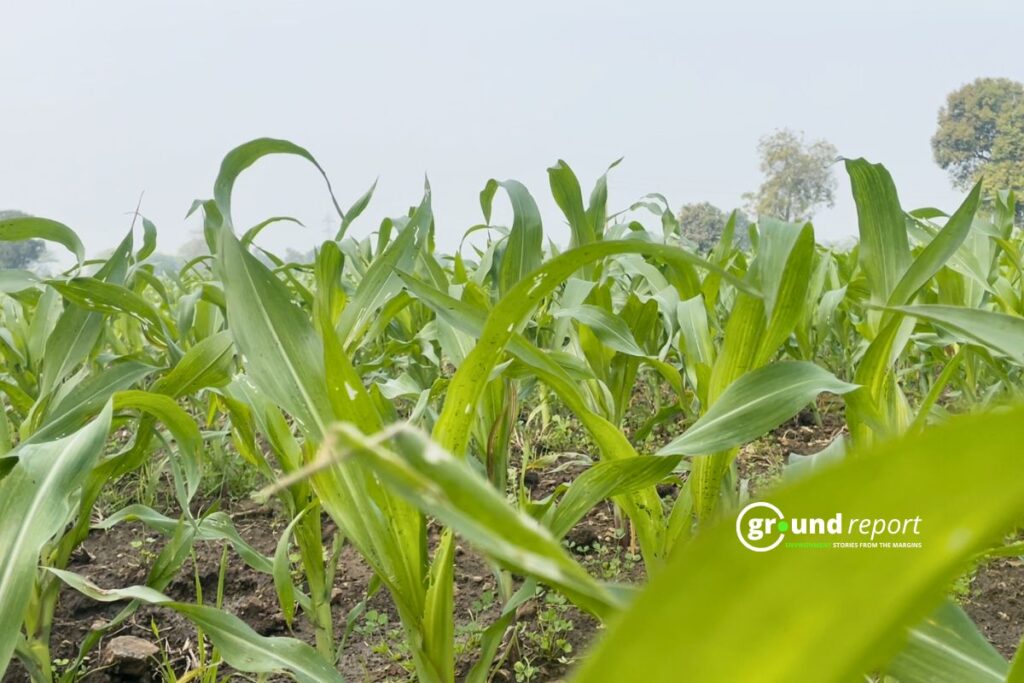
“Our single-cross hybrids [of maize] are now giving almost seven to ten tonnes per hectare: very high productivity,” Singh said.
“Within three to four years of introducing better hybrids, Madhya Pradesh’s maize area doubled. Chhindwara district alone had 3.81 lakh hectares with five times the productivity,” Dr Dass said.
The MSP for maize stood at ₹2,225 per quintal in 2024-25, raised to ₹2,400 per quintal for 2025-26 following a Cabinet decision. “Since farmers are getting a very good assured price through MSP,” Dr. Singh said.
Potential Impact of Trade Deal
India is negotiating a bilateral trade deal with the United States and American maize (called corn in the US). The US grows 380 to 430 million tonnes of maize every year, at an average yield of 11 tonnes per hectare.
Indian farmers average 3.7 tonnes per hectare, a gap Union Agriculture Minister Shivraj Singh Chouhan acknowledged at the Federation of Indian Chambers of Commerce and Industry (FICCI) Maize Summit in July 2025.
American subsidies and export infrastructure push prices down further, which many believe Indian farmers can’t compete with.
India brought in 0.9 million tonnes of maize in 2024, an almost 8000% jump from 2023. This was more than all imports over the previous seven years combined.
More Ground Reports
What does Ramsar status actually change for Bihar’s wetlands?
MP Poshan Aahar Closures Put Rural Women’s Livelihoods at Risk