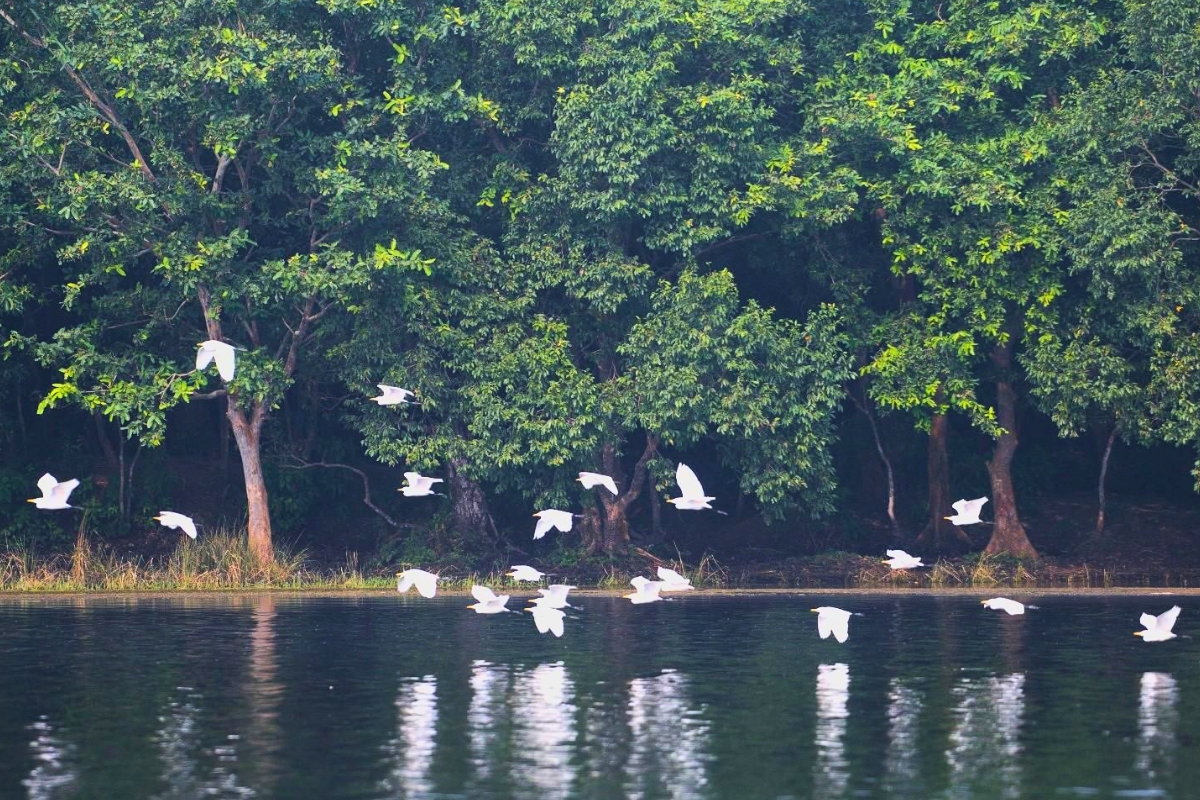
In early February, on an afternoon, the red-crested pochard — a species of duck—swam in flocks on the northern side of Bhoj Wetland– a prominent Ramsar site in Bhopal, Madhya Pradesh. They migrate from the harsh winters of Europe to the Indian subcontinent, and return sometime in March.
“They make the water look red, as if it’s bloody,” Mohd. Khalique, Founder & Bird Expert, Bhopal Birds Organisation, said.
These are custodians of the wetland, performing their biological functions. The red-crested pochard dives for insects, while others nibble at aquatic weeds. Abi T. Vanak, Director of the Centre for Policy Design at Ashoka Trust for Research in Ecology and the Environment (ATREE), called India a hotspot for migratory birds.
In Khichan, Rajasthan, thousands of Demoiselle and Common Cranes gather annually, fed and protected by local communities. Though India is witnessing subtle but significant changes.
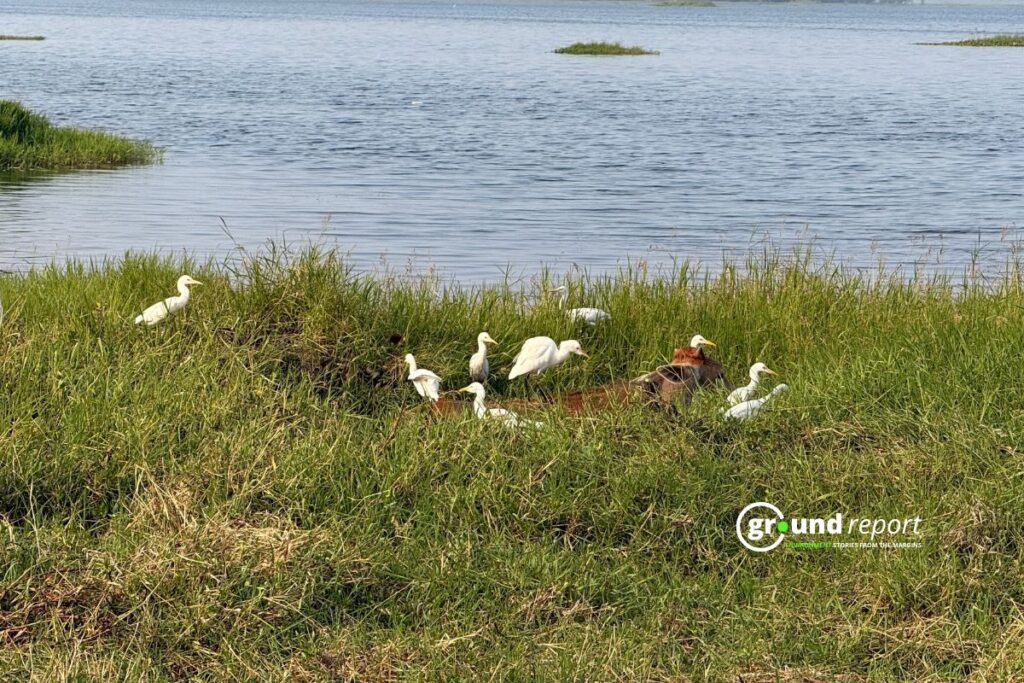
India lies along the Central Asian Flyway, one of the world’s major migratory routes. Every year, birds travel thousands of kilometers from Siberia, Central Asia, and parts of Europe to escape harsh winters. Conflict zones in parts of Eurasia have disturbed segments of the flyway, potentially altering routes.
“Migration is changing… because, as we mentioned earlier, the war in Russia has disturbed the Central Asian Flyway. Basically, the route they use to come is disturbed, so they are not able to come through that flyway.” Mohd. Khalique explained. “And, of course, climate change. Warmer winters impact their breeding.”
He explained that the sudden temperature rises and sometimes sudden drops occur. Essentially, this fluctuation makes it difficult as the birds come from extremely cold countries.
At home, shrinking wetlands and unprotected grasslands add to the strain. India’s grasslands, often overlooked ecosystems, are being reduced year after year.
Migration, by definition, means movement between two or even three homes. But when climate instability, habitat loss, and global conflicts intersect, these homes grow uncertain.
Support Us To Sustain Independent Environmental Journalism In India.
More Video Reports
Rail Projects Halted in Kashmir After Apple Farmers Protest, Uncertainty Remains
After Indore, 22 Fall sick in Mhow Due To Drinking Contaminated Water