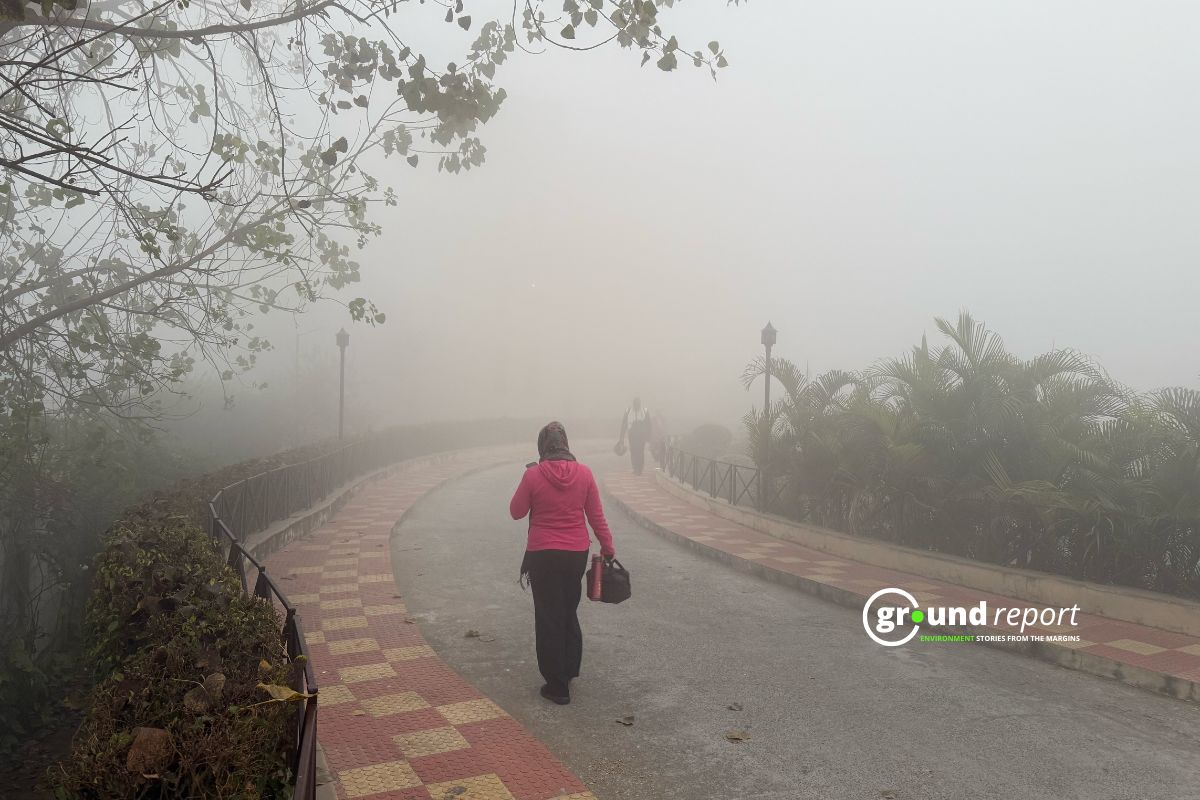
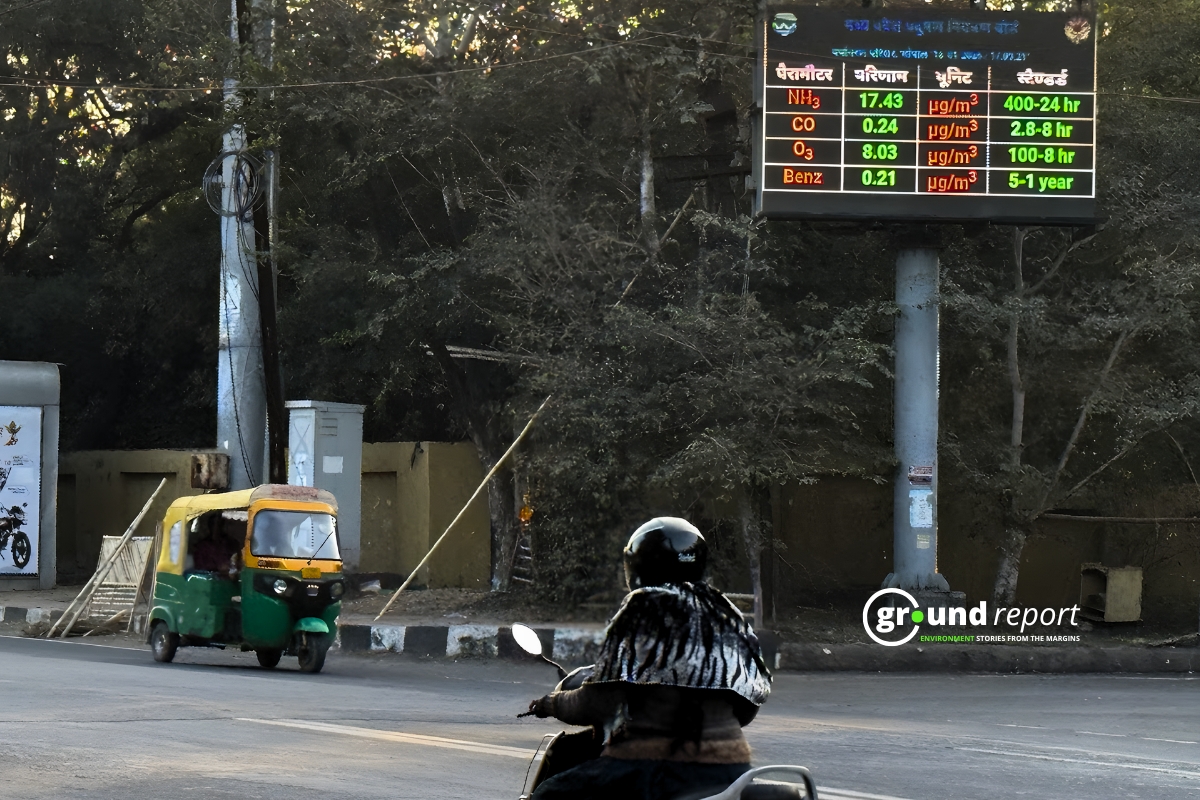
हिंदी में पढ़ें | On winter mornings in January, Bhopal’s iconic Upper Lake is often shrouded in a toxic blanket of smog, instead of fog. On one hand, the state capital ranks second on the pollution index; on the other, Gwalior continues to breathe the most poisonous air in Madhya Pradesh.
On December 19, 2025, environmental activist Rashid Noor Khan filed a petition before the National Green Tribunal (NGT). The petition, supported by official documents and reports of the Madhya Pradesh Pollution Control Board (MPPCB), alleges how administrative manipulation has effectively turned the state into a “gas chamber.”
Taking note of the seriousness of the matter, the NGT constituted a seven-member inquiry committee, directing it to submit a detailed report within six weeks. The next hearing in the case is scheduled for March 18, 2026.
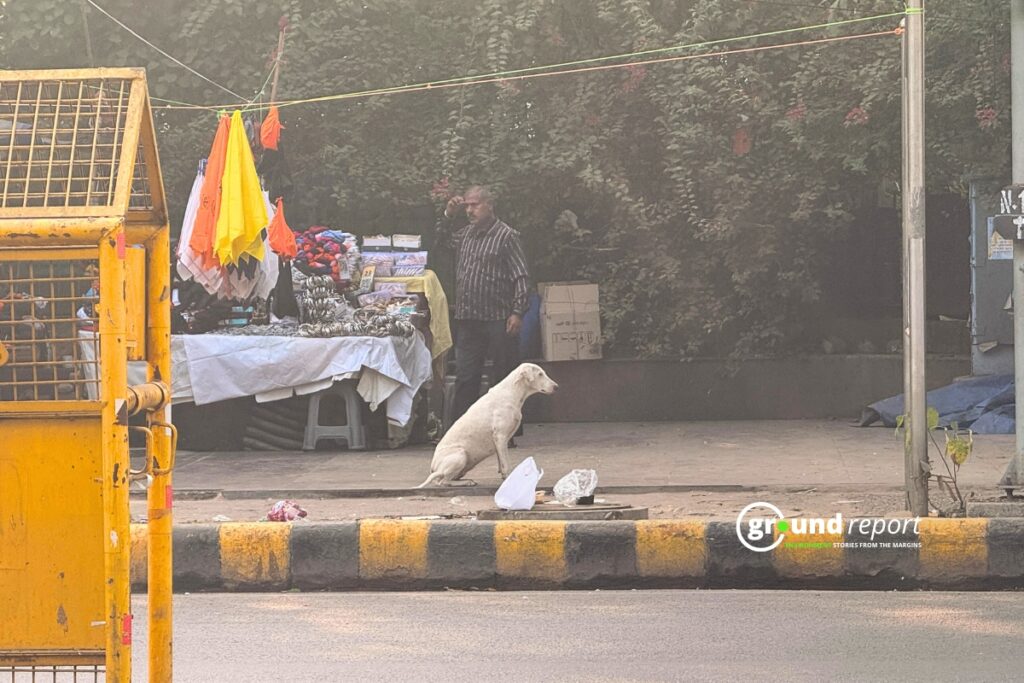
One of the most startling revelations has emerged from Indore, a city long celebrated as a symbol of cleanliness, now facing allegations of tampering with its air pollution monitoring systems.
Under the National Clean Air Programme (NCAP), claims have been made of spending crores of rupees over the past five years, yet the results appear negligible. The petition pending before the NGT frames this crisis not merely as an environmental issue, but as an emerging public health emergency.
Indore Files: The Deception of a Green Cover-Up
Indore’s image as India’s cleanest city took a hit in late December 2025, when the MPPCB conducted a surprise inspection. The inspection revealed that the Continuous Ambient Air Quality Monitoring Stations (CAAQMS) installed in the city were not reflecting ground realities, but rather presenting a manufactured narrative. While much of the state was choking on pollution, Indore’s data appeared to be carefully managed.
Two Truths Under the Same Sky?
An MPPCB report dated November 24, 2025 — included in the NGT petition — flagged irregularities in AQI monitoring data.
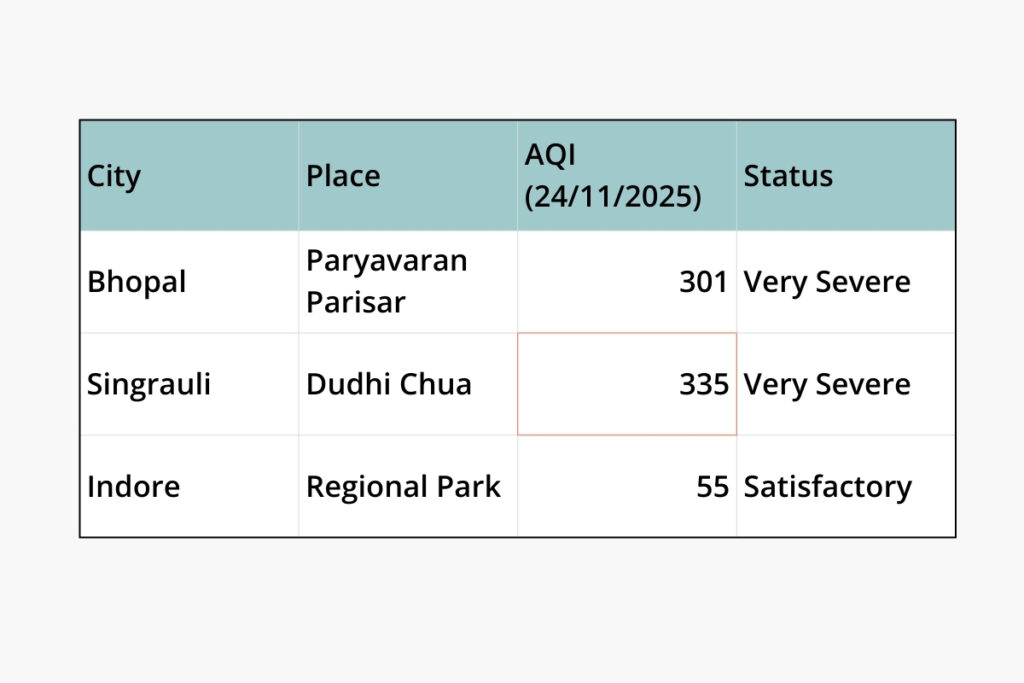
Petitioner Rashid Noor Khan alleges that Indore’s monitoring stations were deliberately installed in green zones. “Because the sensors are surrounded by trees, dust particles do not reach them, making the AQI appear better than it actually is,” he said.
These claims were corroborated by a joint MPPCB inspection conducted on December 29–30, 2025. The inspection found that calibration gases used in the monitoring machines had expired and filter ribbons were being reused repeatedly. As a result, the machines generated data that was scientifically implausible.
Brjesh Sharma, Regional Officer, MPPCB Bhopal, explained: “For example, PM2.5 levels showing higher than PM10. It’s like placing a thermometer in ice and declaring the patient doesn’t have a fever.”
Following these revelations, in January 2026, monitoring stations at Regional Park, Maguda Nagar, Bijasan Mata Mandir, and Residency Park were shut down. The Central Pollution Control Board also directed that Indore’s data should not be used on the Sameer portal. MPPCB instructed Indore’s regional office to conduct regular inspections and report directly to headquarters.
Rashid questions, “Is the truth behind Indore’s and Madhya Pradesh’s ‘clean’ image built on data manipulation?”
Bhopal: Is the Capital Being Buried Under the Rubble of Development?
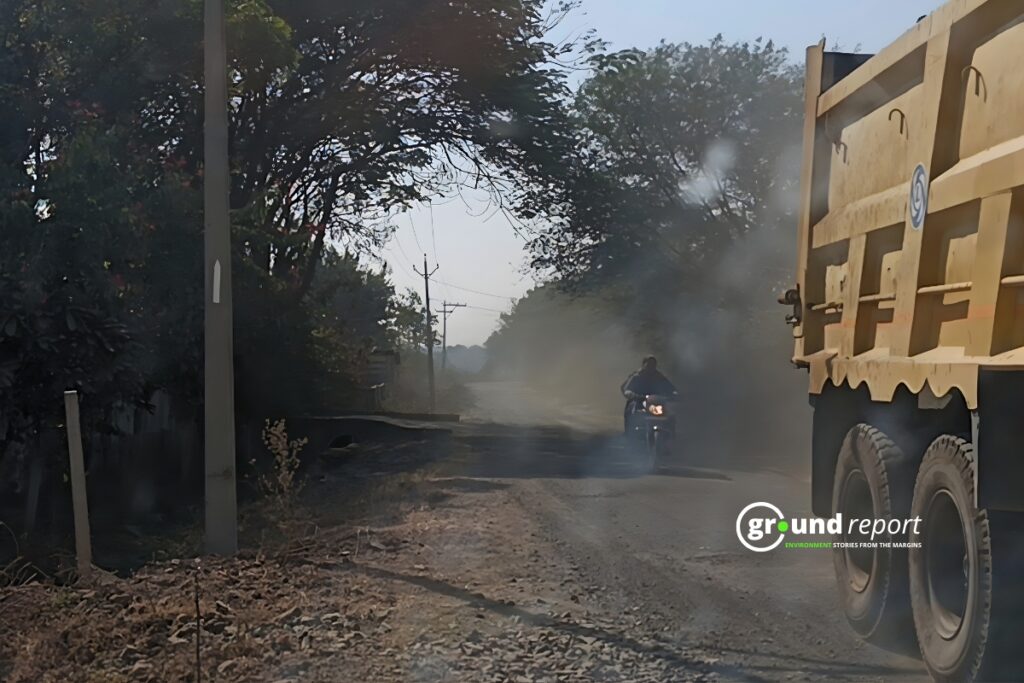
If Indore is accused of hiding data, Bhopal is visibly drowning in dust. Under the NCAP, Bhopal and Gwalior have emerged as the worst-performing districts in the state. Seven major cities of Madhya Pradesh — Bhopal, Indore, Jabalpur, Gwalior, Ujjain, Dewas, and Sagar — feature in the national clean air rankings.
Data from the Central Pollution Control Board show PM10 levels in Bhopal fluctuating between 130 and 190 micrograms per cubic metre (µg/m³), nearly three times higher than the safe limit of 60 µg/m³.
Environmental activist Ajay Dubey attributes Bhopal’s deterioration to unplanned development. “The city has effectively become an open construction site. There is hardly any area where construction isn’t underway,” he said.
“Construction sites are neither covered nor compliant with rules, and dust-suppression measures are missing. Is this development turning Bhopal into a smart city or a dust city?” Dubey asked.
The NGT echoed similar concerns on January 7, 2026, while hearing Rashid Noor Khan’s petition.
In the case of Rashid Noor Khan vs Principal Chief Conservator of Forests (OA 160/2024), facts presented before the NGT revealed that the tiger corridor between Kerwa and Kaliyasot, which functioned as a carbon sink for the city, is now under encroachment. Institutions such as Jagran Lakecity University and other large establishments have been accused of clearing forests using slash-and-burn methods.
Rashid asks, “If a city’s natural air purifiers are cut down, how can the air ever be clean?”
Gwalior: A Black Hole of Pollution
If Bhopal is unwell, Gwalior is in the ICU. Under NCAP assessments, the city has consistently ranked at the bottom. Over the past three years, PM2.5 levels have risen by nearly 65 percent instead of improving. Gwalior’s challenges are partly geographical — the city lies in a bowl-shaped terrain that traps pollutants during winter — but the failure is administrative. Traffic continues to be dominated by old diesel vehicles and unrestricted movement of heavy transporters.
Social activist Rahul Singh says, “Dust rises, officials sprinkle water. The sun comes out and the dust rises again. There is no long-term plan visible on the ground.”
Funds Meant to Heal the Air Left Unused
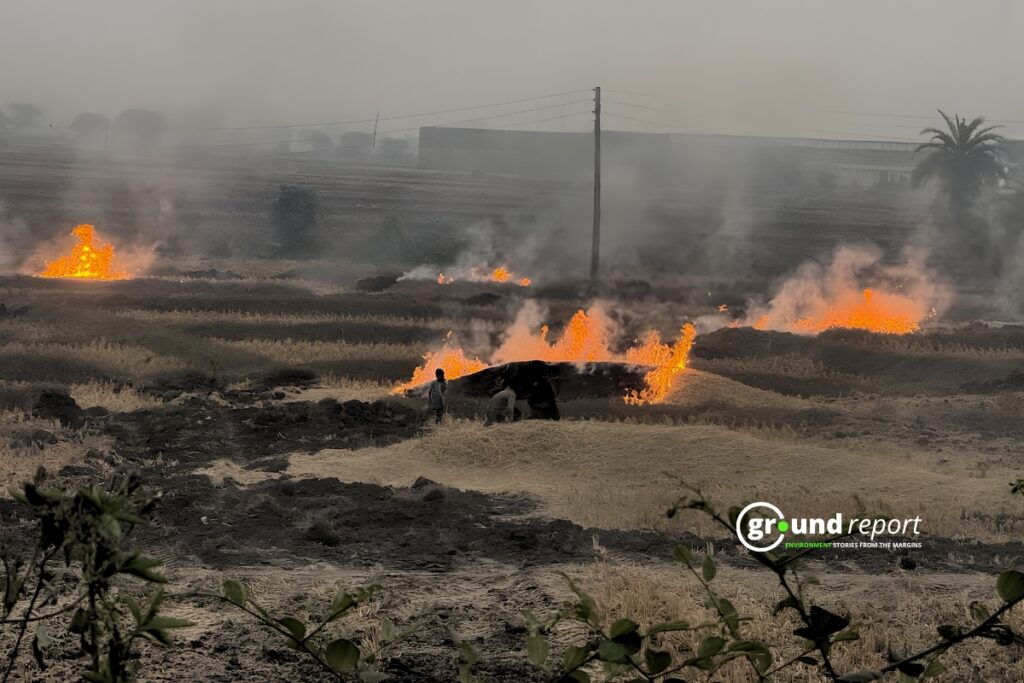
In January 2025, the Madhya Pradesh government announced an ambitious ₹5,000-crore plan to combat air pollution, claiming district-wise action plans would improve AQI levels. However, even after ten months, no action plan reports were submitted by districts.
In November 2025, Chief Secretary Anurag Jain issued strict instructions to submit air quality action plan reports by November 30, 2025. As of January 2026, the reports remain incomplete.
According to minutes of the 15th meeting of the implementation committee under the Union Ministry of Environment, Forest and Climate Change and the Central Pollution Control Board, the state received about ₹48.44 crore under NCAP since 2019, of which only ₹14.57 crore was spent. In contrast, around ₹570.5 crore received under the 15th Finance Commission (for roads and construction) has seen over 86 percent utilization.
Most shockingly, cities like Bhopal and Indore have not utilized a single rupee of NCAP funds.
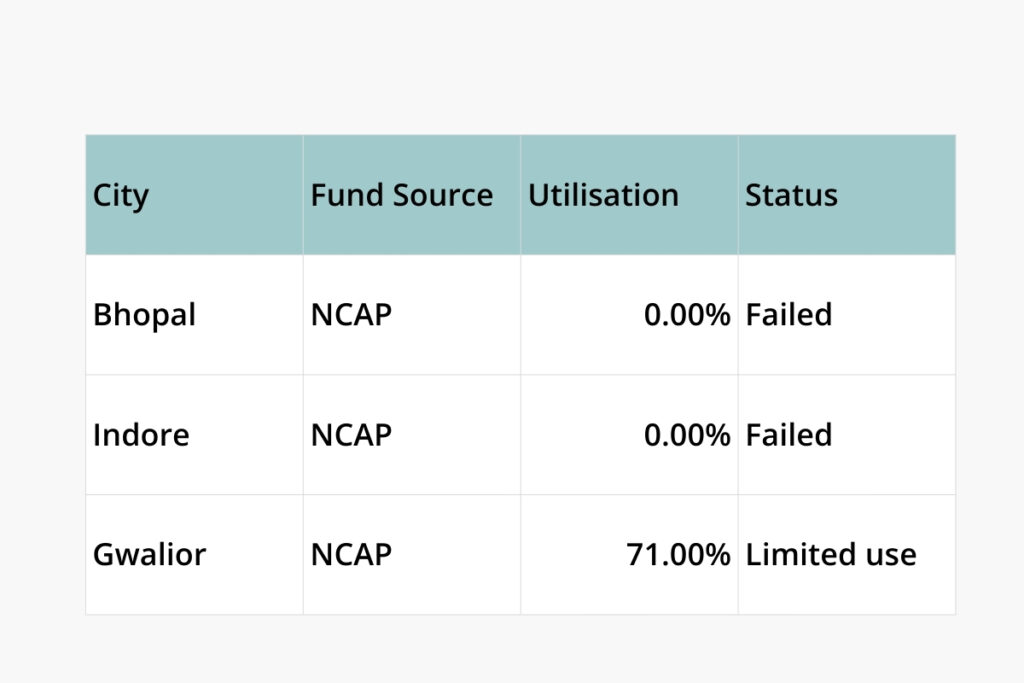
Petitioner’s lawyer Harshvardhan Tiwari said, “Not a single rupee of NCAP funds — meant to clean air and strengthen monitoring — was spent. Meanwhile, Finance Commission funds were used on roads, flyovers, and paver blocks, and this was presented as air quality improvement.”
When contacted for a response, senior MPPCB officials declined to comment, stating that the matter is sub judice before the NGT.
Tiwari described air pollution in Madhya Pradesh as a public health emergency and asked, “Why doesn’t the state have a Graded Response Action Plan (GRAP) like Delhi? When AQI crosses 400, why is there no protocol to close schools or halt construction?”
Environmental activist Subhash C. Pandey termed the situation a violation of Article 21 of the Constitution — the right to life. “The government must acknowledge this as a public health emergency. Manipulating data may polish images, but it won’t save people’s lungs,” he said.
Support us to keep independent environmental journalism alive in India.
Keep Reading
Elephants Are Back in MP After a Century, But Can They Stay?
Solar Energy – A Paradigm Shift in Wildlife Conservation
Stay connected with Ground Report for underreported environmental stories.