
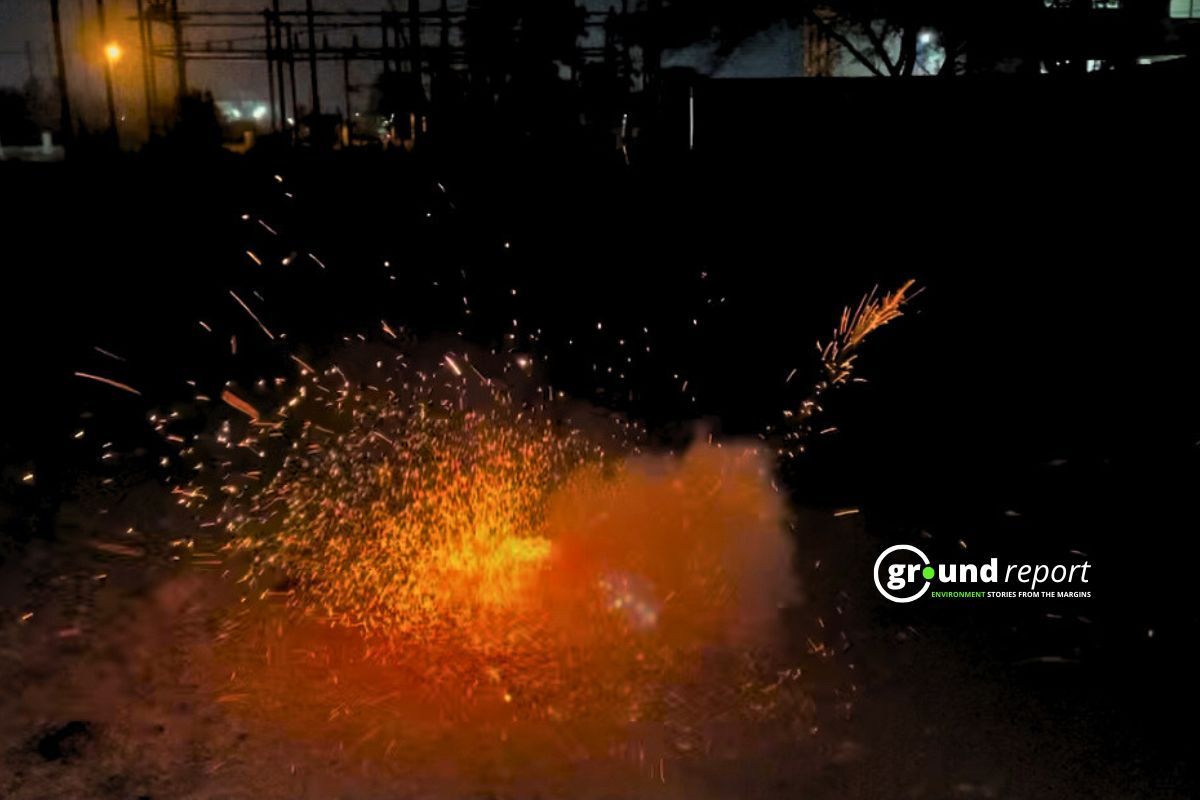
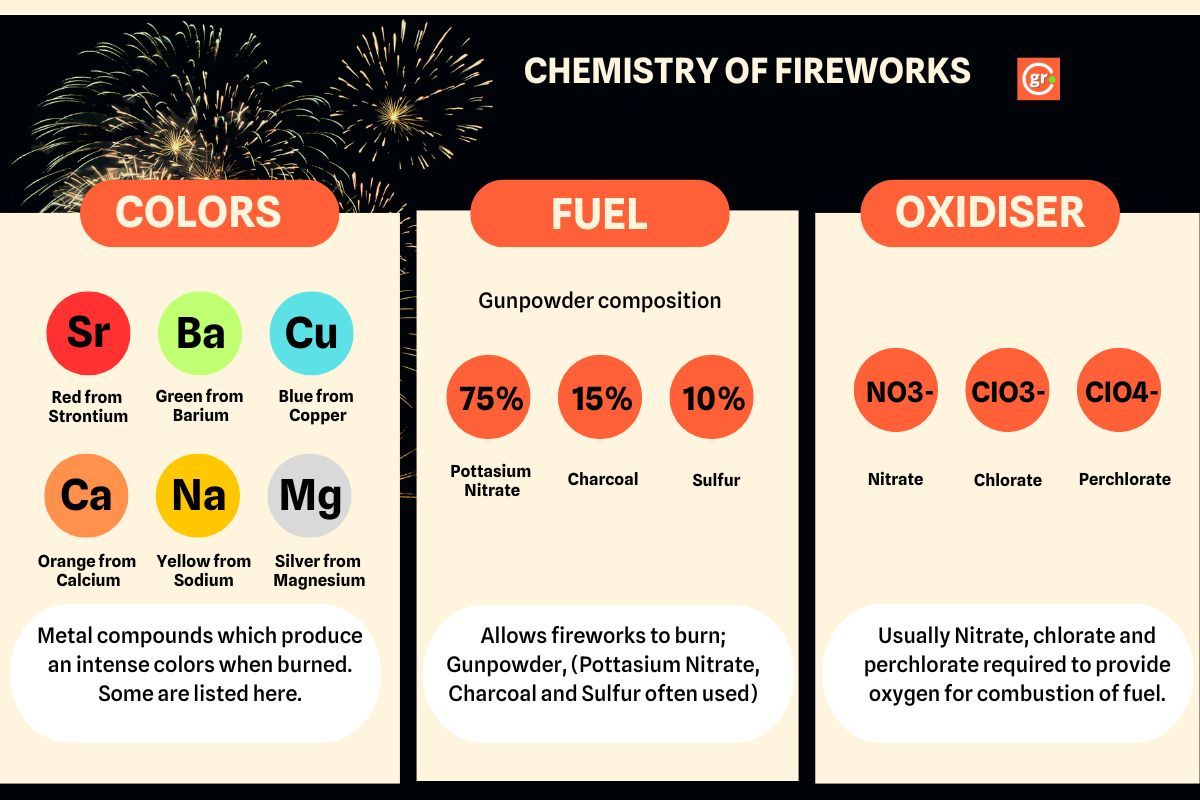
The gun powder and chemicals emitted from firecrackers and fireworks do not just disappear into the thin air; when it burns and comes in contact with oxygen, it causes a chemical reaction called combustion, and this chemical reaction has two results: first, you get short-lived entertainment, and second, the atmosphere gets toxic pollutants.
This short-lived visual pleasure and entertainment of yours not only contributes to climate change by increasing the amount of carbon dioxide, carbon monoxide, nitrogen, sulphur dioxide, and particulate matter in the air, but the perchlorate emitted from it also contaminates soil and water.
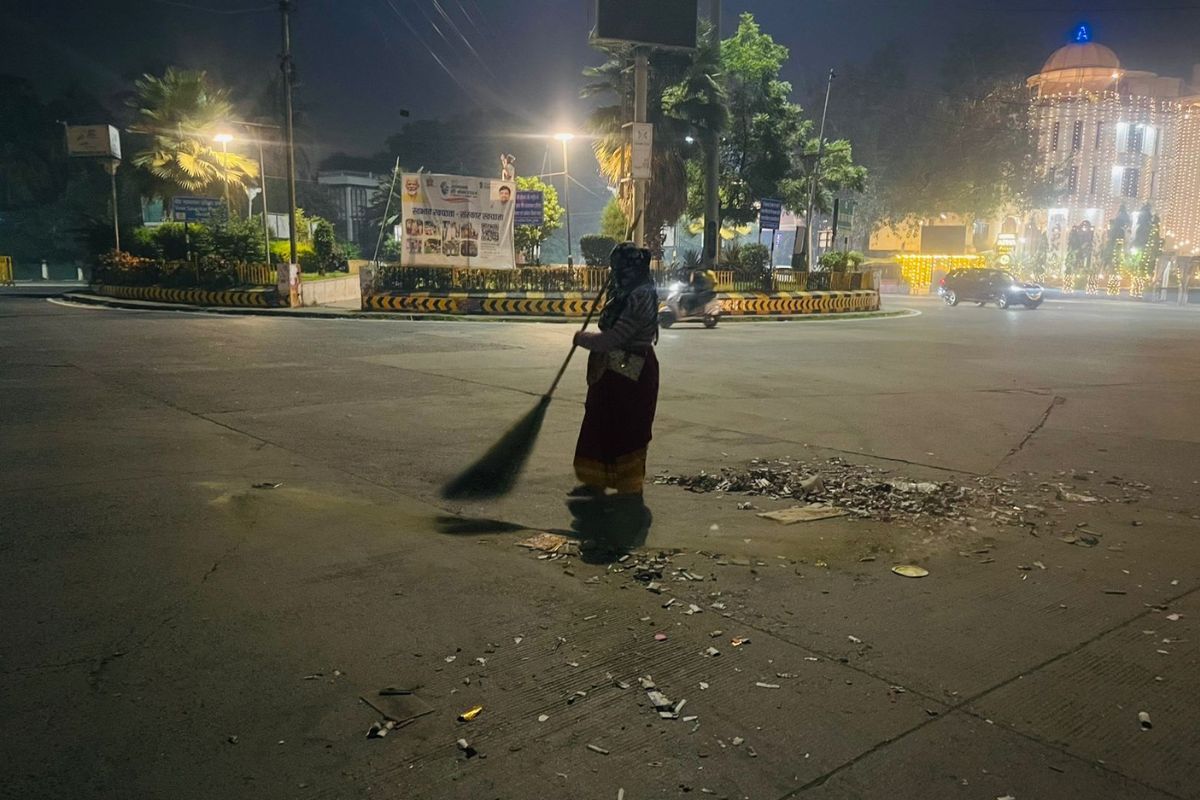
Bhopal and Indore Step Up Post-Diwali Waste Management Efforts
Bhopal and Indore’s municipal authorities launched intensive post-Diwali sanitation drives to manage the surge in waste generated after the festival of lights. Both cities reported unusually high volumes of garbage this year, with civic teams working through the night to restore cleanliness and safety across public spaces.
Bhopal
The Bhopal Municipal Corporation (BMC) collected over 1,100 tonnes of waste, nearly 300 tonnes more than the daily average. Of this, around 20 tonnes of firecracker residue—including gunpowder, ash, plastic wrappers, cardboard, and packaging—was handled separately as hazardous material. According to BMC Commissioner Sanskriti Jain, recyclable components such as cardboard and plastic, estimated at 5 tonnes, were sent to the Material Recovery Facility (MRF) for processing. The remaining 15 tonnes of explosive waste have been secured at city garbage transfer stations for scientific disposal.
To manage the increased load, BMC conducted additional garbage collection rounds immediately after Diwali, deploying backup vehicles in areas facing technical issues. The operations were monitored in real time through the Integrated Command and Control Centre (ICCC) under the Smart City Project. Jain added that similar waste management protocols will be followed during the upcoming Ekadashi festival to ensure public safety.
Indore
Meanwhile, in Indore, the Indore Municipal Corporation (IMC) once again demonstrated its reputation for cleanliness. Following a night of festive celebrations, residents woke up on Tuesday to spotless streets and markets. The IMC’s massive post-Diwali clean-up began at 3 a.m. and wrapped up by 6 a.m., during which 6,000 workers collected and processed over 1,400 tonnes of waste within just a few hours.
The coordinated operation involved all NGOs partnered with IMC, with teams beginning from high-footfall zones such as major markets and squares before moving into residential colonies and inner lanes. Water tankers and drivers were deployed across all zones to assist with road washing and dust suppression.
A crucial role was played by the Integrated Waste Management (IWM) team, whose 23 mechanised sweeping machines operated overnight to clear debris from roads and public spaces. To mitigate risks, the waste collected—especially containing traces of cracker residue—will be soaked with water for the next two days.
“This approach allows any remaining explosive material to settle, minimising the risk of accidents during disposal,” said Rohit Sisonia, IMC’s Additional Commissioner.
Same efforts not seen in smaller municipalities
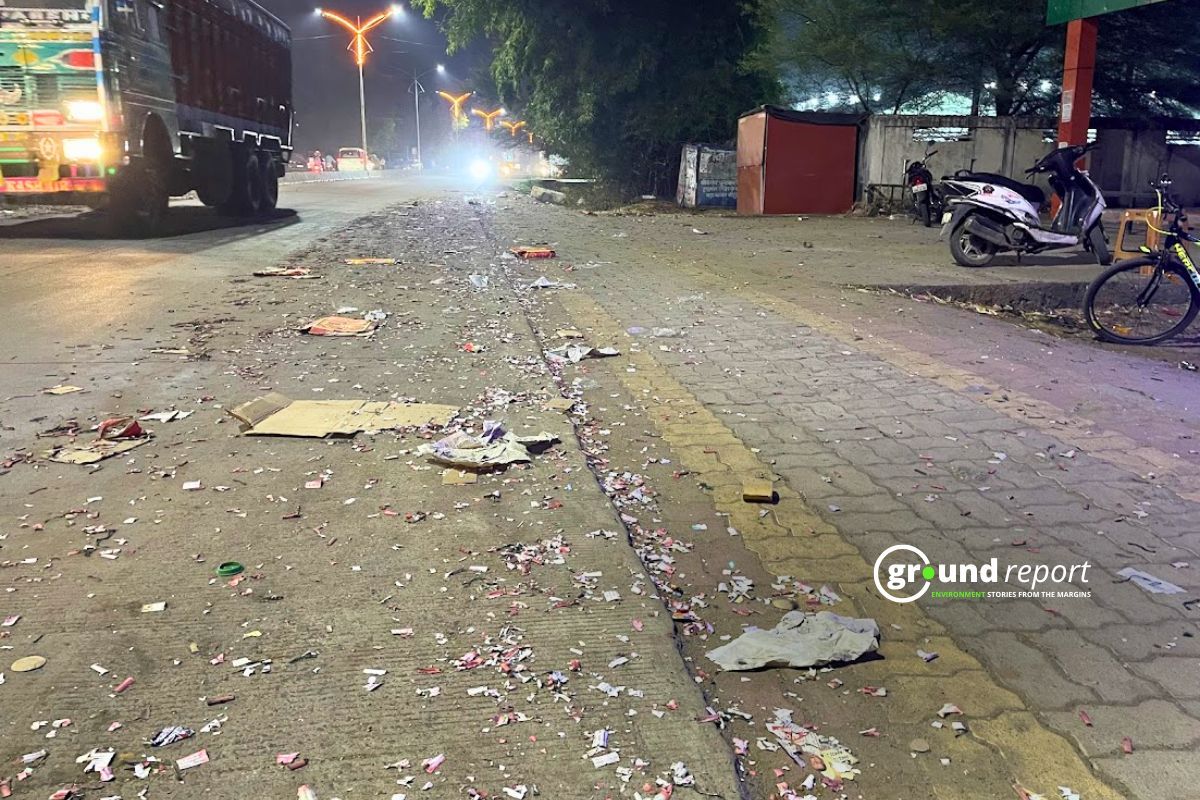
While Indore has been celebrated for its exceptional waste management, a stark contrast emerges in nearby Sehore city. Despite claims of systematic waste disposal, our investigation revealed a different reality at the local landfill site the day after Diwali.
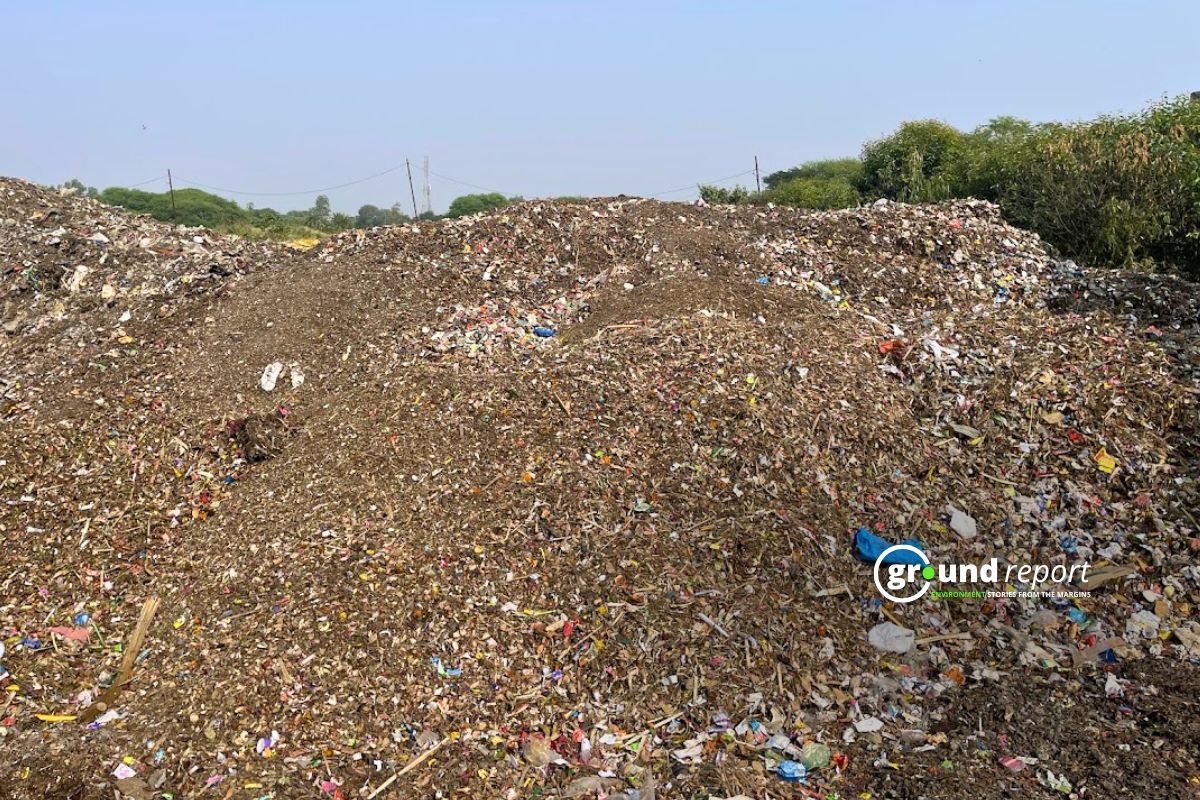
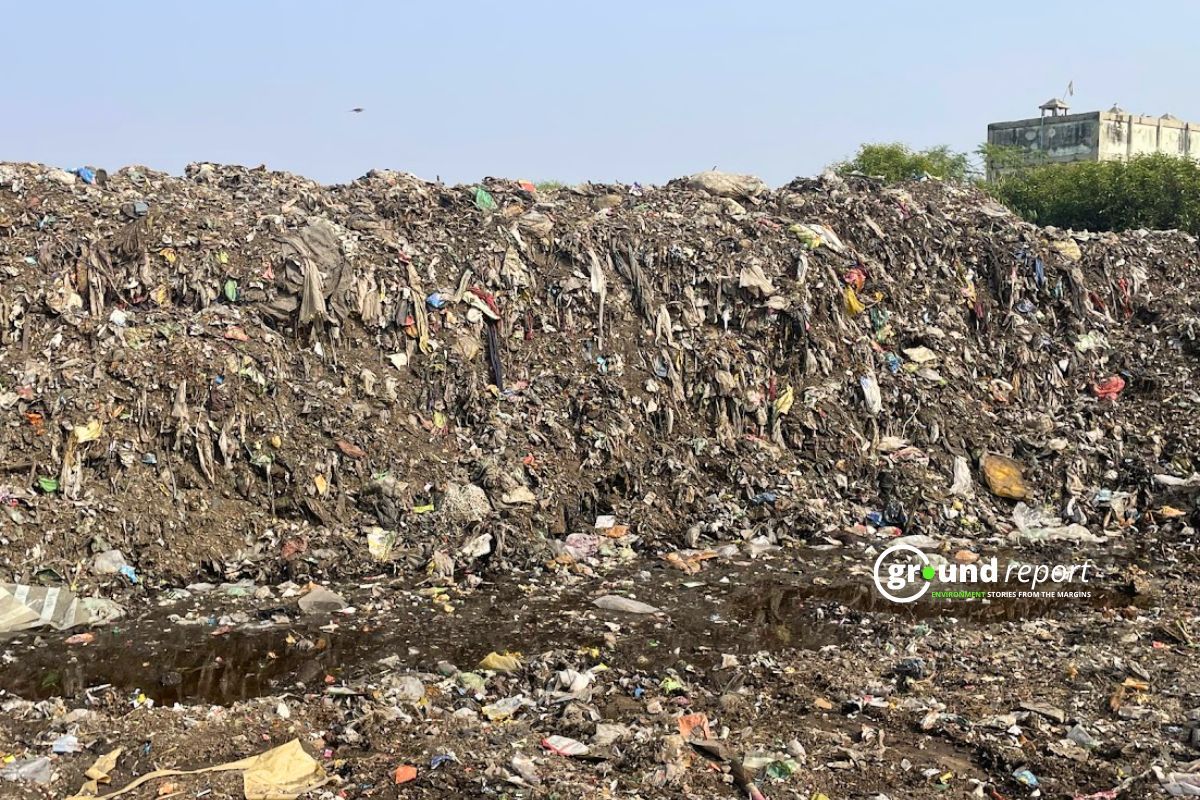
The problem extended beyond Sehore city. In the surrounding municipal bodies of Ashta and Ichchhawar and various Gram panchayats, no efforts were made to handle firecracker waste responsibly. Roadside areas and landfill sites bore witness to the indiscriminate mixing of hazardous firecracker waste with general municipal waste.
The disconnect highlights a critical gap in waste management strategies. Despite progressive initiatives and claims of systematic waste disposal, the ground reality in many smaller municipalities remains far from the ideal. The haphazard disposal of potentially dangerous fireworks waste not only poses environmental risks but also undermines the broader goals of sustainable urban waste management.
What makes firecracker waste hazardous?
The classification of firecracker waste as hazardous is based on established regulatory guidelines. Waste is considered hazardous when it potentially threatens human health or the environment due to its physical, chemical, reactive, toxic, flammable, explosive, or corrosive characteristics. Fireworks, with their complex chemical composition and explosive properties, fall squarely within this definition, necessitating specialised disposal methods.
Madhya Pradesh has addressed this challenge through dedicated infrastructure. The Common Treatment, Storage, and Disposal Facility (TSDF) in Pithampur Industrial Area, operational since November 2006, serves as the primary disposal site for the state’s hazardous waste. This facility ensures that potentially dangerous materials are handled with the utmost care and environmental responsibility.
Hazards of waste mixup
The hazards of mixing firecracker waste with general municipal waste are profound and multifaceted, according to Dr. Neeraj Verma, Chief Chemist at the Madhya Pradesh Pollution Control Board in Bhopal.
“Even after firecrackers burn, residual gunpowder containing sulphur and heavy metals remains,” Dr. Verma explained. “When such waste reaches landfill sites, it can generate leachate—a toxic liquid that seeps into the ground, potentially contaminating groundwater resources.”
The environmental risks extend beyond water pollution. Mixing firecracker waste with organic waste compromises the quality of manure (produced with wet waste), rendering them potentially toxic. Moreover, the inherent flammability of firecracker residues poses significant fire hazards in garbage sites, which could generate poisonous smoke and further environmental degradation.
“It is critically important,” Dr. Verma emphasised, “that firecracker waste be properly segregated and then disposed of through scientific methods.”
The expert’s insights underscore the urgent need for specialised waste management protocols, particularly during festive seasons when firecracker usage peaks. Proper segregation and disposal are not merely environmental best practices but essential measures to protect public health and ecological systems.
Effective waste management requires a comprehensive approach that prioritises careful sorting, specialised handling, and scientifically sound disposal mechanisms.
Fireworks in the sky have adverse effects on the ground
In India, the celebration of momentary joy through fireworks extends far beyond Diwali and New Year’s Eve. Fireworks have become a ubiquitous spectacle in wedding processions and political victory celebrations. From the infamous 1000-bomb strings marking political triumphs to the 20-shot fireworks that create kaleidoscopic displays during weddings—these pyrotechnic displays offer fleeting visual pleasure at a significant environmental cost.

The environmental impact of these celebrations begins the moment fireworks burst into the sky. These spectacular displays leave behind a toxic legacy that persists long after the colours fade. At the heart of this environmental challenge is perchlorate, a chemical compound that serves as an oxidiser, enabling fireworks upward propulsion and creating their mesmerising patterns.
How does it pollute the soil?
When fireworks explode, they scatter chemical debris across the ground. Perchlorate, a key component, contaminates soil and water systems. This chemical is easily absorbed by vegetation, embedding itself in the natural ecosystem for extended periods. Research conducted in Kerala in 2021 confirmed the widespread soil contamination caused by fireworks.
The environmental degradation extends beyond chemical contamination. Firework particles can fundamentally alter soil nutrients and increase the acidity of surface water, creating cascading effects on local ecosystems. Atmospheric sulphur components, such as sulphur dioxide, can cause direct damage to plant life, impeding the growth of trees and leaves.
One more concern is the impact on aquatic environments. When these chemical residues enter water bodies, they can significantly disrupt fish growth and overall marine ecosystem health. The seemingly momentary celebration leaves a prolonged and profound imprint on the environment.
These findings underscore the need for a more environmentally conscious approach to celebrations, challenging the current cultural norm of using fireworks as a symbol of joy and festivity.
Conclusion
The environmental toll of firecrackers extends far beyond momentary spectacle. We must urgently transform societal awareness, helping people understand that their fleeting moments of celebration inflict long-lasting damage on our fragile ecosystems.
Administrative units bear a critical responsibility in implementing rigorous waste management protocols and scientific disposal mechanisms. As climate change presents increasingly complex challenges, mitigating human activities that harm nature becomes paramount. By making informed choices and prioritising environmental preservation, we can collectively reduce our ecological footprint and strengthen our resilience against global environmental threats.