Note: This story contains a description of suicide.
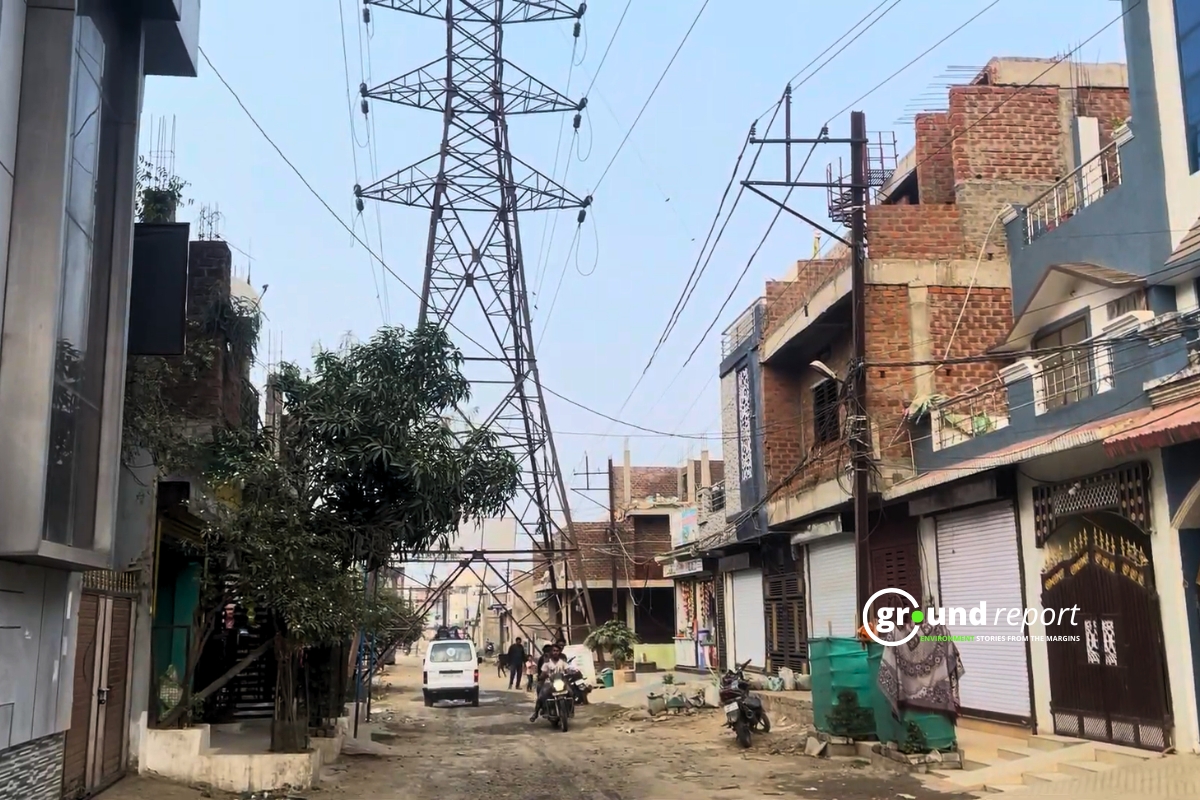
On Friday, November 7, 2025, Sheopur’s main market wore a strange quiet. It was paddy season, yet the arrivals were thin. The Bharatiya Kisan Sangh had called for a bandh (strike), and though business went on as usual inside the market, around a hundred farmers were marching toward the Collectorate, shouting slogans. Their anger and grief had been building for days.
Nine days earlier, on October 29, a 50-year-old farmer named Kailash Meena from Sirsod village (35 km from district headquarters) died by suicide. He farmed approximately 7 bighas of land. His son Banwari says Kailash went to the fields at 7 AM on Wednesday, and about 2 hours later, a villager working near his field informed them of his father’s death. When villagers arrived, Kailash’s body was hanging from a tree in the field.
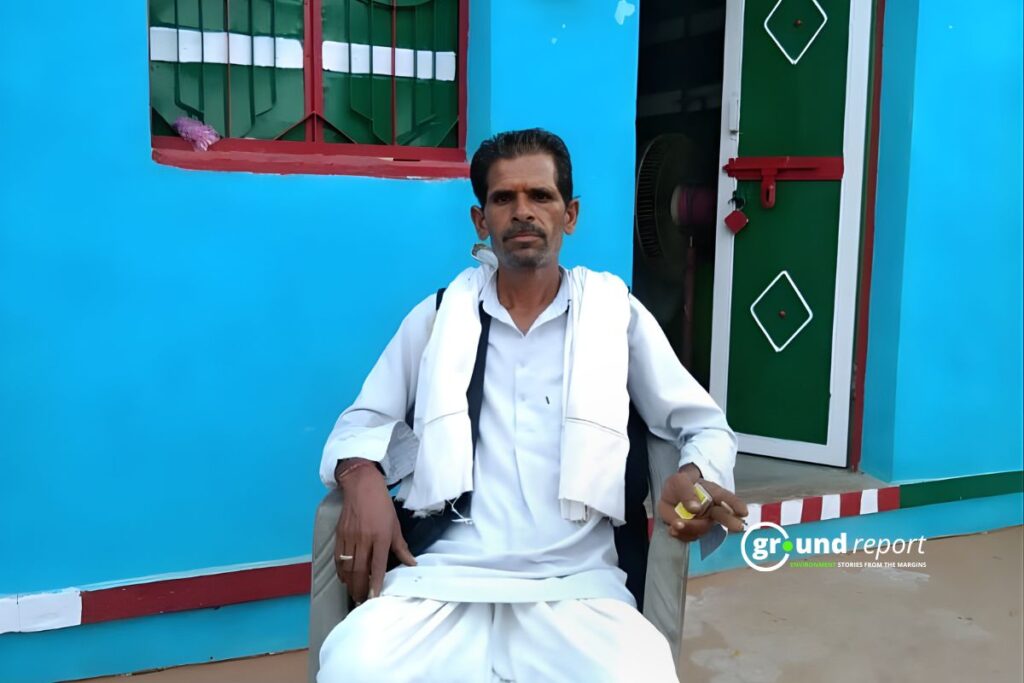
According to a report published in Dainik Bhaskar, rain-damaged crops were cited as the reason for suicide. Banwari Meena has been in shock since his father’s death. He sits quietly in the corner of the platform in front of the house. When asked about the cause of suicide, he only says his father was troubled. However, his relative Ramlakhan Meena (Ballu) says that every farmer in the area is distressed about crop damage following rains on October 25-26.
The local Collector provided Rs. 2 lakh in compensation to Kailash Meena’s family. Local Congress MLA Babu Jandel and another local leader each provided Rs. 1 lakh in relief. Additionally, the family has been assured Rs. 15 lakh from the CM Relief Fund and a government job for the deceased’s daughter-in-law.
No Relief Package for Other Farmers
However, no relief package has been announced for other district farmers whose paddy crops were damaged by rain. According to information from the local Agriculture Department, 429 villages were affected by the rains. Surveys to assess damage are underway in all these villages.
Farmers protesting outside the Collectorate are demanding that surveys be completed quickly and farmers be given 100% compensation. Farmers are also concerned about paddy prices in the market. They say that after recent losses, it’s impossible to pay off Kisan Credit Card loans, cooperative bank loans, and outstanding electricity bills, so the administration should waive these as well.

The Devastating October Rain
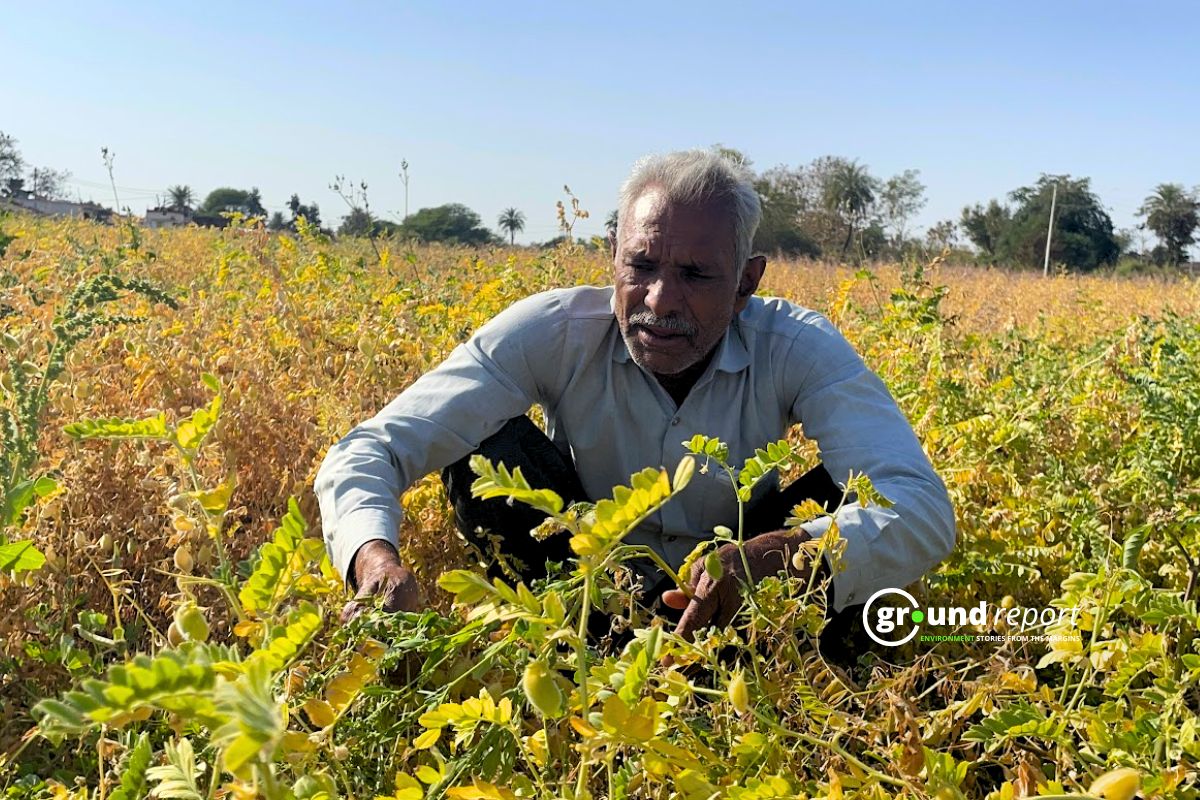
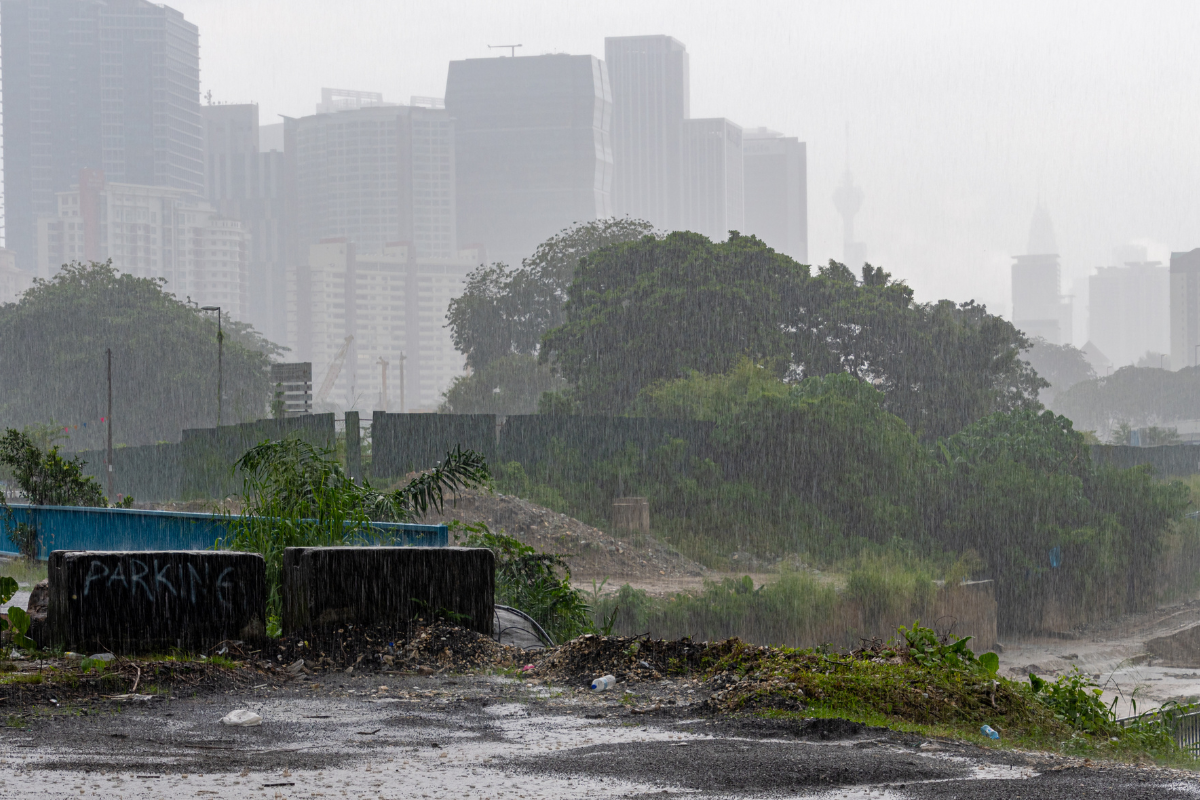
Three days before Kailash Meena’s death, on Sunday, October 26, the district recorded 2 inches of rain in just 9 hours. According to villagers, this rain accompanied by strong winds flooded paddy fields, causing ready-to-harvest crops to collapse in the fields. When we reached Sirsod on November 5, villagers’ fields were still waterlogged.
Ramlakhan Meena from Sirsod grows only paddy on his 35 bighas of land. He has been cultivating paddy for about 15 years. He says: “If crops had been damaged during the rainy months, it would make sense. But crops have never been ruined in Kartik month (October 23 – November 21, 2025).”
However, he does mention that he suffered similar losses from floods in August 2021. Ramlakhan, who supports a 13-member family, says this is his main crop, which he sells to repay his loans. While he doesn’t give exact details about his debt, he says:
“There’s debt from the Kisan Credit Card, cooperative society, and electricity. I also have to pay installments for a tractor and a vehicle in December. Now I don’t know how all this will happen. If we can’t feed ourselves, how will we pay bills?”

Ramlakhan had invested approximately Rs. 15,000 per bigha. Thus, he invested an estimated Rs. 5.25 lakh in his 35-bigha field. We saw his field flooded with water. Water was continuously flowing from a hand pump in the field. With fields remaining muddy for about 10 days, harvesting the remaining crop has become difficult. Machines cannot enter the fields, so laborers must be paid extra to harvest the crop. He says such harvesting will cost an additional Rs. 5,000 per bigha.
Ballu from Rameshwar village in Manpur panchayat had harvested 7 out of his 18 bighas and kept the paddy in his field on October 24. He was going to take it to market in a few days. But his paddy was also damaged in the rain on the night of October 25-26. Due to water, this paddy has now sprouted. The remaining 11 bighas of paddy are also submerged.
Impact on Rabi Season
Usually by this time, paddy would have been harvested from fields and reached the market. But due to rain, both paddy harvesting and wheat sowing for the rabi season have been delayed. Farmers say this will directly affect their rabi crop production.
Regarding farmers’ losses, Sheopur Collector Arpit Verma told Ground Report:
“From day one, we deployed all administrative staff to the field. I was in the field myself during the heavy rains.”

However, farmers are questioning delays in receiving compensation. Farmers say a survey was similarly conducted when moong crops were damaged, but farmers still haven’t received that compensation. Questioning the current compensation process, Ballu says no patwari has yet come to survey his field.
Narendra Singh Chaudhary, district president of Bharatiya Kisan Sangh, protesting in front of the local Collector’s office, says: “Even 10 days after the loss, surveys are still being conducted. Compensation for soybean and moong damage has been lost to corruption. Now farmers fear that compensation after this disaster will either be lost to corruption or the administration will just go through the motions.”
However, while talking to protesting farmers, the Collector informed them that he has sent a compensation proposal according to Revenue Book Circular 6-4. He said patwaris are preparing loss certificates, after which the compensation distribution process will proceed.
Low Market Prices
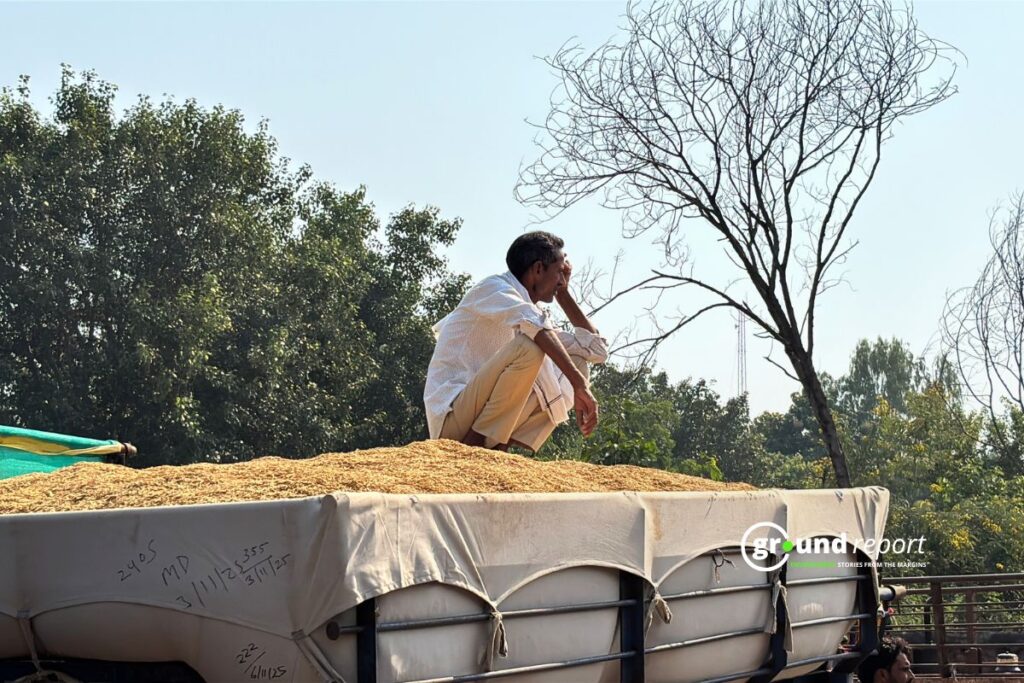
Meanwhile, farmers have started selling their crops in the market. But farmers allege they’re getting very low prices. Dharmendra Rawat came to Sheopur Agricultural Produce Market from Rannaud village to sell his crop. On November 6, 2025, his one trolley (approximately 40 quintals) of paddy sold for Rs. 1,500 per quintal, whereas the state’s Minimum Support Price (MSP) for paddy is Rs. 2,369.
Rawat says a bigha yields about 10 quintals of paddy on average, with a cost of Rs. 15,000 per bigha. At the rate he received, his estimated cost will barely be covered, but he won’t make any profit.
Farmers at the market say they used to get an average of Rs. 3,100 per quintal for paddy every year. But this year, rates have fallen due to crop damage. Nearly all farmers say paddy bidding is starting at Rs. 500 per quintal.
The Sheopur market is the main paddy market for this region. According to data from April to October 2025, a total of 3,08,947 quintals of paddy have arrived at the market so far. Will the recent disaster affect market arrivals? Answering this question, Singh says that since paddy also comes from surrounding areas, its impact on arrivals will be negligible.
National Context
According to a recently released National Crime Records Bureau report, 10,786 suicides related to the agriculture sector occurred in the country in 2023. Of these, 4,690 suicides were by farmers while 6,096 were by agricultural laborers. In Madhya Pradesh, 94 farmers died by suicide in 2023.
Comparing these figures with 2022 data, agricultural sector suicide cases decreased in 2023. In 2022, a total of 11,290 people associated with the agriculture sector died by suicide in India, including 5,207 farmers. However, Madhya Pradesh’s figures haven’t changed much, as 92 farmers died by suicide in 2022.

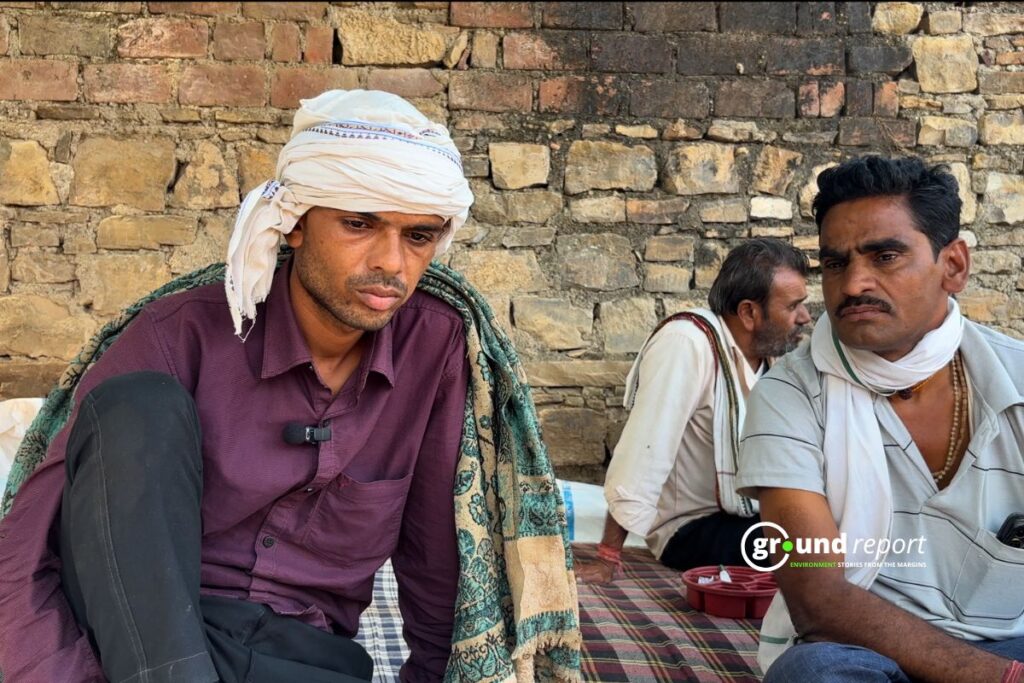
Banwari, Kailash’s son, didn’t previously devote all his time to farming. Now all responsibility has fallen on him. His father recently took a loan of Rs. 2.5 lakh through the Kisan Credit Card. He has no idea how much total debt his family has. We asked what he would have done if the crop had been good. Before the question was complete, he answered: “Repaid the debt.” Now that the crop is ruined, how will he repay the debt? To this question, he says nothing.
The MLA demands that if the administration doesn’t complete surveys soon and provide compensation to all affected farmers in the district, they will launch a tractor march to Bhopal. For a permanent solution to farmers’ problems, Anil Singh, state spokesperson for Bharatiya Kisan Union (Tikait), talks about fixing MSP based on the C2+50% formula. He says farmers should get 50% more than their cost. He also reiterates the demand to make MSP purchases mandatory, saying that while state farmers do register for government purchases, only 15 days of procurement happens, preventing all farmers from participating in these sales.
Support us to keep independent environmental journalism alive in India.
Keep Reading
Jal Jeevan Mission’s false promise sickens MP’s Sajwani village
Life After Machagora Dam: No Water, No Jobs, No Justice
Stay connected with Ground Report for underreported environmental stories.