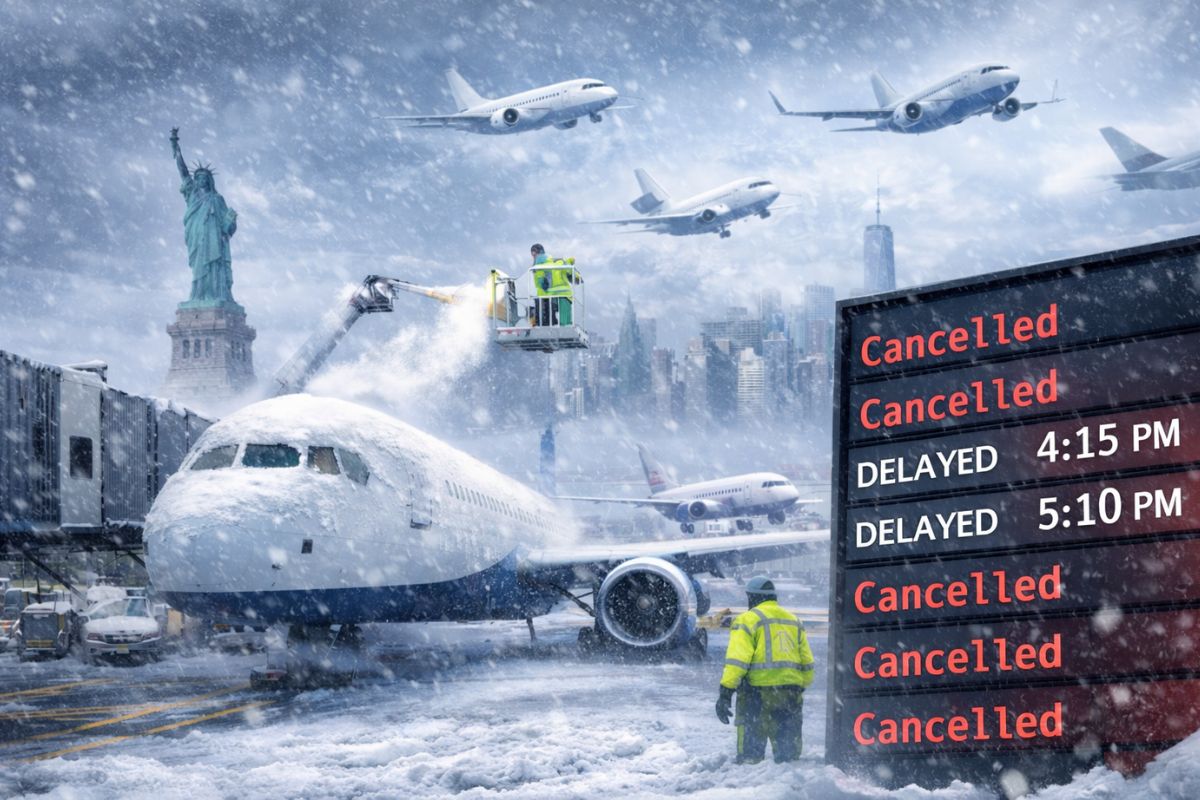
At the end of the year, it is time to take stock of the accident rate for reasons other than the action of the man who will have to deal with world insurance. According to Swiss Re, the Zurich-based reinsurance giant “extreme weather events have caused an estimated $115 billion in insured financial losses worldwide this year.
“Hurricane Ian, along with other winter storms in Europe, flooding in Australia and South Africa, as well as hailstorms in France and the United States represent an estimated $115 billion in natural catastrophe-related losses to date” so far. of the year, according to a statement from Swiss Re, which aims to insure insurance companies.
The natural catastrophe that has generated the most economic losses this year is Hurricane Ian, which wreaked havoc in the United States and Cuba.
This meteorological phenomenon entailed costs of between 50,000 million and 65,000 million dollars, Swiss Re said.
“This highlights the potential threat posed by a single hurricane on a densely populated coastline, during a mild hurricane year,” says the study by the Zurich-based Swiss group.
Increase in extreme weather events
In a press release announcing the findings, Martin Bertogg, Swiss Re’s head of catastrophe risk, noted the steady increase in extreme weather events in recent decades and stressed the importance of using up-to-date models so that the industry can better predict precise damage in a given year.
“When Hurricane Andrew hit 30 years ago, a $20 billion loss event had never happened before,” Bertogg said. “Now there have been seven such hurricanes in the last six years.”
Approximately 33 million homes on the US Gulf Coast and East Coast are at risk of hurricane damage, according to property intelligence firm CoreLogic, with an estimated total replacement cost of $10.5 trillion.
The country’s coastal communities tend to be underinsured and chronically out-of-date federal flood maps do not capture the risk of many flood-prone homes. Although uninsured homeowners can apply for federal funds after natural disasters, they are typically only able to recover a small fraction of their total losses.
This year also confirms the weight of so-called secondary hazards (such as floods and storms), compared to major catastrophes (earthquakes, hurricanes). According to Swiss Re, they caused more than $50 billion in losses.
Storms in February in Europe generated US$3.7 billion worth of losses. And torrential February and March rains in Australia that caused extensive flooding cost about $4 billion, the reinsurer added.
Business model of Insurance agencies
The business model of an Insurance Company implies an agreement or contract between the insurance company (insurer) and the insured persons (client or policyholder).
The basis of the business model of insurance companies revolves around the prediction and diversification of risk. It is a risk-sharing model in which risk is pooled among individuals and redistributed among a large group of people.
Before we discuss the business model of insurance companies in detail, let’s first take a look at the “Insurance Business Working Mechanism”.
Keep Reading
Part 1: Cloudburst in Ganderbal’s Padabal village & unfulfilled promises
India braces for intense 2024 monsoon amid recent deadly weather trends
Support us to keep independent environmental journalism alive in India.
Follow Ground Report on X, Instagram and Facebook for environmental and underreported stories from the margins. Give us feedback on our email id greport2018@gmail.com.
Don’t forget to Subscribe to our weekly newsletter, Join our community on WhatsApp, and Follow our YouTube Channel for video stories.