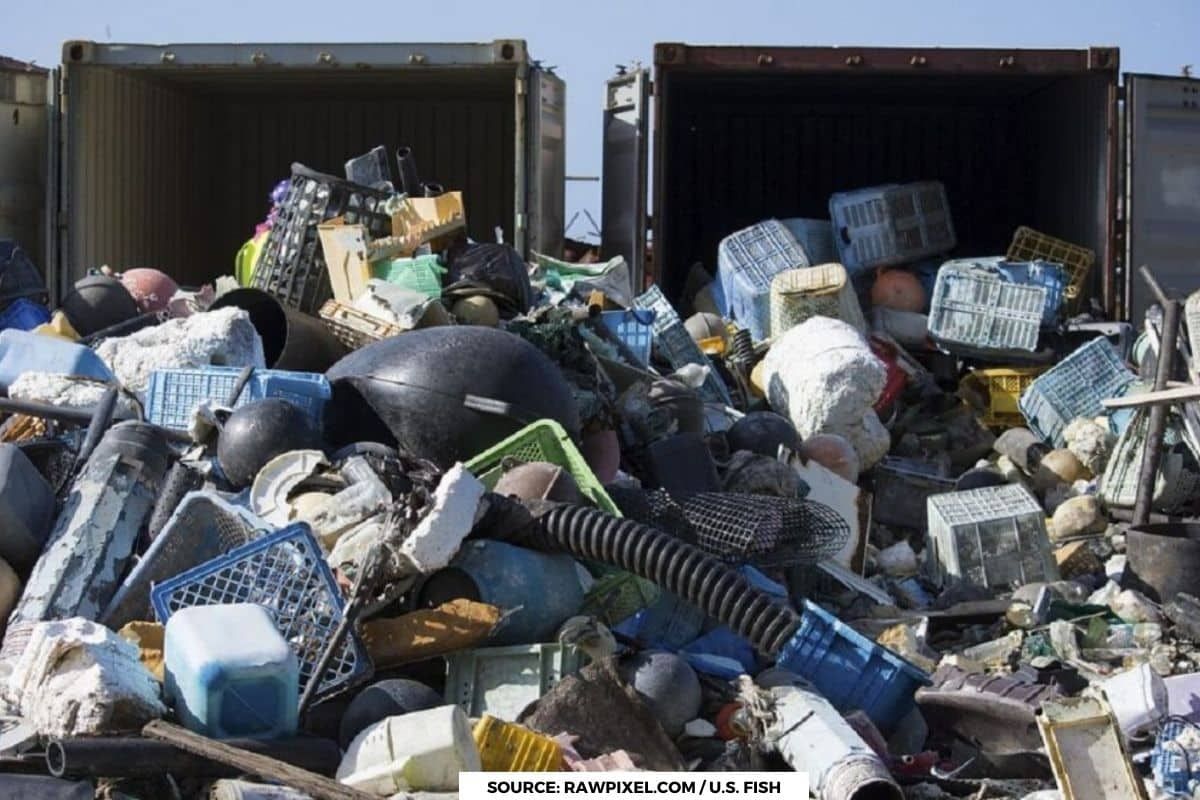
A recent study has discovered that plastic waste in rivers is promoting the growth of harmful bacteria that cause diseases. The research, conducted in the UK, found that discarded plastic in rivers serves as a breeding ground for disease-causing bacteria, potentially increasing antibiotic resistance and spreading diseases among people.
The study’s lead researcher, Vinko Jadjelovic of the University of Antofagasta in Chile, suggests that plastic in freshwater bodies may be contributing to the rise of pathogens and antibiotic-resistance genes. He warns that this could indirectly impact human health, as antibiotic resistance is a growing public health threat. In 2019, nearly 2.7 million deaths worldwide were caused by infections related to antibiotic resistance.
The research, published in the journal Microbiome, predicts that by 2050, these diseases could cause 10 million deaths globally. The study involved submerging samples in the River Sowe in Warwickshire and the West Midlands of England for a week, downstream from a wastewater treatment plant. The samples revealed significant differences in microbial communities depending on the material.
The water samples contained pathogens that cause diseases in humans, including Salmonella, E. coli, and Streptococcus. To minimize the health risks of these microbial threats, it’s crucial to treat wastewater and eliminate germs. However, plastic and wood samples attracted bacteria such as Pseudomonas aeruginosa and Aeromonas, which pose a threat to people with weakened immune systems.
Researchers found P. aeruginosa, a common cause of hospital infections, in nearly three times greater abundance in plastic waste than in wood. They also observed that the genes responsible for antibiotic resistance were overexpressed in the plastic waste.
Rivers, which transport between 3.5 thousand and 24.1 lakh metric tons of Human-made material into the ocean annually, are the primary source of plastic entering the world’s oceans.
Water worries
Wastewater treatment is essential to reduce microbial hazards and protect human and environmental health. However, water samples collected in February 2020 contained human pathogens such as Salmonella, E. coli, and Streptococcus, highlighting the need for stricter monitoring of wastewater treatment plants.
The samples also attracted opportunistic bacteria like Pseudomonas aeruginosa and Aeromonas that pose risks to people with compromised immune systems. P. aeruginosa, a common cause of hospital infections, showed up nearly three times more abundantly on weathered plastic than on wood. The weathered plastic also displayed a higher abundance of antibiotic resistance genes.
Recently, British water companies have faced criticism for discharging raw sewage into the UK’s waterways and underreporting pollution incidents. Rivers, which transport between 3.5 thousand and 2.41 million metric tons of plastic into the ocean annually, are the main source of plastic pollution in the world’s oceans.
Keep Reading
- Scientists Discover Two New Species Of Seer Fish In Indian Water
- Climate Change Causing Irreversible Health Harms: Study
- How Bursting Crackers In Kedarnath Can Destroy Ecology Of Area?
- 1 In 3 Children Worldwide Exposed To Severe Water Scarcity
Follow Ground Report for Climate Change and Under-Reported issues in India. Connect with us on Facebook, Twitter, Koo App, Instagram, Whatsapp and YouTube. Write us on GReport2018@gmail.com.