
Punjab is preparing to launch a universal Health Insurance that promises Rs. 10 lakh of cashless treatment per family across empanelled hospitals. For households, this is a pivotal moment to understand how public funding and private protection can work together. As healthcare costs rise faster than incomes, family health insurance becomes a financial essential rather than a discretionary purchase. If the state plan delivers as announced, it can sit alongside private family health insurance and targeted critical health insurance to create a stronger safety net. This guide explains what the Punjab initiative means, how it could operate, and how you can align your policy decisions for comprehensive protection.
What the Punjab universal cover proposes
The Punjab government has announced its intent to provide universal cashless cover of up to Rs. 10 lakh per family through a state-backed scheme. Although formal notification, scheme rules and hospital package rates will define the finer details, the direction is clear. The design will likely mirror established best practice from large public programmes in India, including the IT architecture and fraud-controls seen in Ayushman Bharat PM-JAY. Such alignment helps claims adjudication, pre-authorisation, and portability across a broad hospital network.
At Rs. 10 lakh, the headline sum insured is higher than the Rs. 5 lakh baseline under PM-JAY in many states. That matters for complex surgeries and prolonged ICU care where bills escalate quickly. It is reasonable to expect integration with Ayushman Bharat Digital Mission rails for paperless authorisations and ABHA-linked records. The ambition is universal inclusion so that financial barriers do not delay care at the point of need.
How the scheme could work on the ground
Eligibility and enrolment
– The state will define who is eligible, the identification documents required, and how families are onboarded.
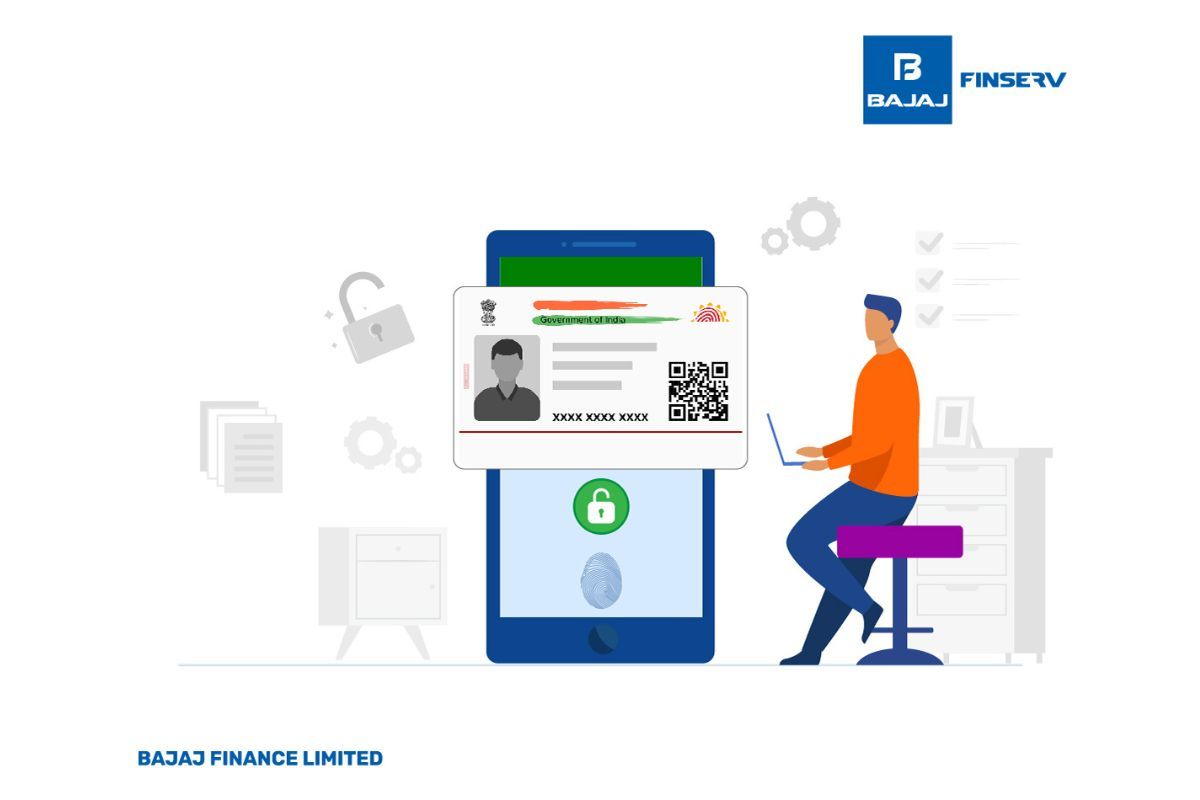
– Aadhaar-seeded family units, ration cards, and ABHA IDs are typically used to create a verified household-level profile.
– Enrolment centres may operate at government hospitals and designated facilitation points, supported by online portals and helplines.
– Keep scanned copies of identity, address proof, and a family photograph ready to ensure smooth enrolment for family health insurance benefits.
Benefits and inclusions
– Cashless hospitalisation for defined surgical, medical, maternity, and daycare procedures at notified package rates.
– Pre and post-hospitalisation periods may be covered for limited days as defined in the package.
– Critical procedures such as cardiac, neuro and oncology treatments generally fall under specified packages.
– Coordination with national clinical protocols can support quality and reduce avoidable out-of-pocket spends.
Network and portability
– Public and private hospitals are empanelled after due diligence on infrastructure and specialties.
– A wider network means shorter travel time, better access to specialists, and higher success probability of cashless authorisation.
– To check participating facilities, use the PM-JAY hospital search for guidance on empanelment practices while awaiting the official Punjab list.
– Keep an eye on the State Health Agency announcements and the Health and Family Welfare portal for the final network.
Claims and grievance redress
– Cashless authorisations flow through a pre-defined pre-authorisation process inside the hospital.
– Adjudication is handled through an insurer or a state health agency, backed by audit and fraud analytics.
– For grievances, state schemes provide a toll-free number, escalation matrix and district-level nodal officers.
– Maintain copies of all medical records, itemised bills, and authorisation letters for any post-discharge clarifications.
Implications for households in Punjab
A universal Rs. 10 lakh cashless cover can meaningfully cut catastrophic health expenditure. India’s out-of-pocket spending as a share of total health expenditure has been declining, yet remains significant, as indicated in National Health Accounts updates (see nhp.gov.in for releases). With medical inflation running high, a single prolonged ICU episode can exhaust savings. A publicly funded cover reduces the risk of selling assets or taking high-cost personal loans to fund emergency care. Families should still maintain private family health insurance to fill gaps and improve flexibility.
Where private family health insurance fits in
State-backed cover is foundational, but it is not a substitute for a tailored family policy. A private family health insurance plan lets you choose higher sums insured, richer room rent limits, custom add-ons, and a broader network of tertiary centres. It also gives you continuity benefits such as no-claim bonuses and long-term reductions in waiting periods. Many families pair the state scheme with a private family health insurance floater to lift combined protection to Rs. 25 lakh or more.
The claims experience can also differ. Private family health insurance often offers concierge assistance, a relationship manager, and faster decisions at top-tier hospitals. You get predictable co-pay rules, transparent sub-limits, and optional upgrades like worldwide cover. Consider this as a two-layer architecture. Use the public cover for the core and the private layer for personalisation and speed.
How Punjab initiative compares with national and state templates
Punjab’s move aligns with the national approach of cashless, package-based reimbursements, strong digital rails, and outcome tracking. The Rs. 10 lakh level enhances headroom for complex cases versus the typical Rs. 5 lakh under PM-JAY. Rajasthan has pioneered even higher limits in its state plan, while other states vary. Punjab can leverage NHA standards on coding, fraud analytics, and portability to speed launch and improve quality.
For families, this means lower uncertainty at admission. However, private family health insurance still adds benefits like domiciliary care, OPD add-ons, maternity enhancements, and flexible room categories.
Budgeting for premiums and tax efficiency
State cover is taxpayer funded, so there is no premium for most residents once eligible. Your private family health insurance premium depends on age, city, sum insured, and optional riders. Break it into monthly budgets if that helps and keep a 3-year view for continuity benefits.
Premiums for family health insurance and critical health insurance qualify for tax deduction under Section 80D, subject to limits and conditions. The current rules and caps are available on the Income Tax portal (incometax.gov.in). Pay premiums through banking channels and keep receipts and policy schedules for records. For senior parents, separate limits may apply, which optimises your tax outgo.
Regulatory protection and consumer rights
In private policies, the Insurance Regulatory and Development Authority of India sets consumer-protection rules, including standard definitions, moratorium periods, and portability. These frameworks improve transparency and reduce claim disputes. State schemes publish beneficiary charters, package lists, and grievance channels. Use the official portals, not third-party apps, for sensitive document uploads.
The bigger picture for health financing in Punjab
Universal cashless coverage at Rs. 10 lakh is a strong step in risk pooling for a large population. It strengthens financial protection and can improve health-seeking behaviour by removing price anxiety at admission. Over time, better claims data can help the state refine package rates, enhance quality metrics, and reduce fraud leakages. Private family health insurance and critical health insurance will continue to drive innovation in service, personalisation, and non-hospital benefits, ensuring families have choice and depth in their coverage portfolio.
Conclusion
The Punjab government’s plan to roll out Rs. 10 lakh universal cashless care per family can be a game-changer for access and affordability. Households should welcome this move, while still securing robust family health insurance for flexibility, continuity benefits, and custom features. Add a focused layer of critical health insurance to protect income and fund non-medical costs during serious illnesses. With a disciplined combination of public support, private family health insurance, and targeted critical health insurance, Punjabi families can build a resilient, multi-layered health-financing shield.
Disclaimer: This content is sponsored and does not reflect the views or opinions of Ground Report. No journalist is involved in creating sponsored material and it does not imply any endorsement by the editorial team. Ground Report Digital LLP. takes no responsibility for the content that appears in sponsored articles and the consequences thereof, directly, indirectly or in any manner. Viewer discretion is advised.
Support us to keep independent environmental journalism alive in India.
Keep Reading
Small Wild Cats in Big Trouble: India’s First National Report Released
After Tragedy, Families Face Delays in Tiger Attack Compensation
Stay connected with Ground Report for underreported environmental stories.