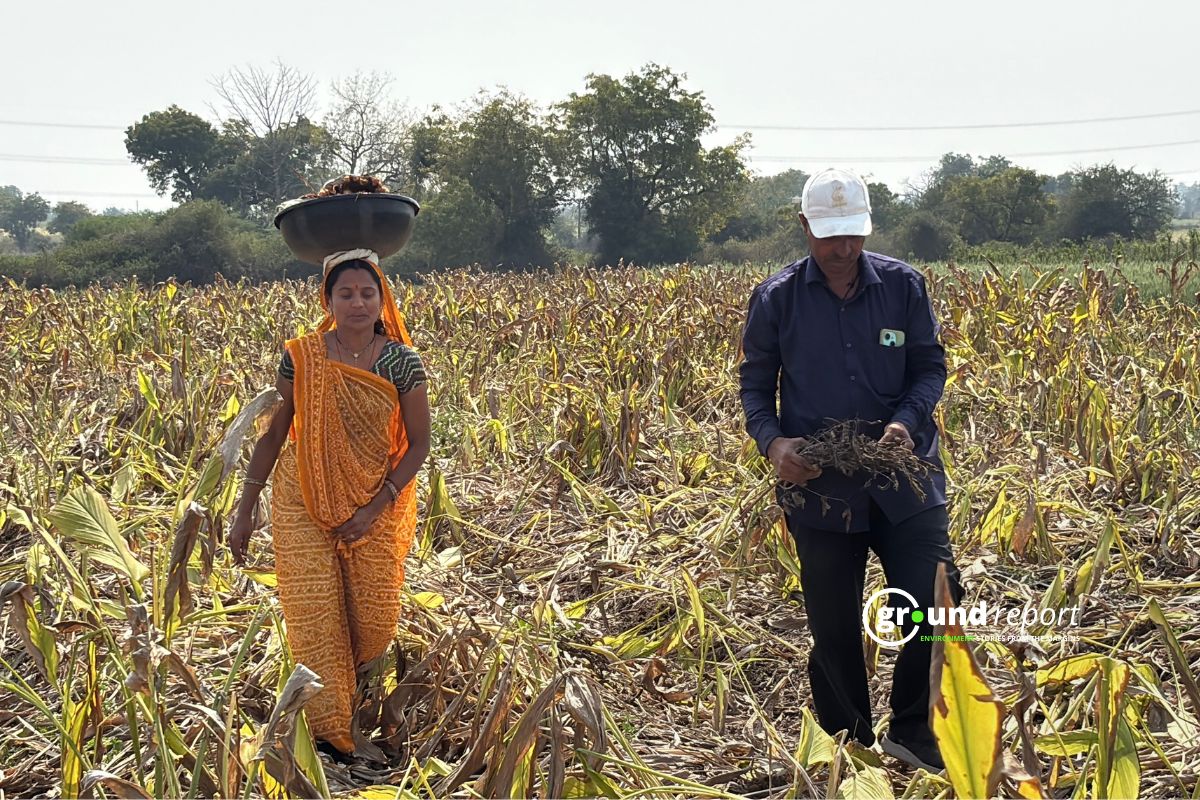
The Indian government has dismissed claims that farmers are being forced to use biostimulants and nano urea due to fertilizer shortages, stating that conventional fertilizer supplies remain adequate across the country during the current agricultural season.
Minister of State for Chemicals and Fertilizers Anupriya Patel told the Rajya Sabha on December 16 that availability of urea, DAP, MOP, and NPKS fertilizers has exceeded requirements during both the Kharif 2025 and ongoing Rabi 2025-26 seasons. The statement came in response to concerns raised by Member of Parliament Ramji Lal Suman.
Why Supply Numbers Tell a Different Story
The government’s data shows substantial fertilizer availability during the Rabi season through December 11. Urea availability reached 127.85 lakh metric tons against a pro-rata requirement of 98.76 lakh metric tons. DAP supplies stood at 50.38 lakh metric tons compared to a requirement of 38.89 lakh metric tons.
The closing stock figures reveal healthy reserves across all fertilizer categories. Urea stocks stood at 45.39 lakh metric tons, while DAP reserves reached 16.46 lakh metric tons. MOP and NPKS stocks were recorded at 6.29 and 35.03 lakh metric tons respectively.
Similar patterns emerged during the Kharif 2025 season. Urea availability totaled 230.54 lakh metric tons against a seasonal requirement of 185.39 lakh metric tons. DAP supplies exceeded demand by nearly 10 lakh metric tons.
What’s Really Happening with Nano Urea Production?
Government data reveals significant fluctuations in nano urea production over three financial years. Production peaked at 475.12 lakh bottles in FY 2022-23 before dropping sharply to 90.71 lakh bottles in FY 2023-24. The figure recovered to 388.15 lakh bottles in FY 2024-25.
Sales figures tell a different story. After selling 326.8 lakh bottles in FY 2022-23, sales declined to 207.43 lakh bottles the following year before rising slightly to 273.55 lakh bottles in FY 2024-25. The gap between production and sales suggests varying market acceptance of the product.
How States Are Cracking Down on Fertilizer Black Markets
State governments conducted 340,076 inspections and raids between April and November 2025 to combat black marketing, hoarding, quality violations, and diversion of fertilizers. The enforcement drive resulted in 649 FIR registrations and 5,835 license cancellations or suspensions across the country.
Uttar Pradesh led enforcement efforts with 29,401 inspections, resulting in 197 FIRs and 3,018 license actions. The state issued 2,436 show cause notices for various violations. Maharashtra followed with 44,059 inspections, though it registered only 54 FIRs despite canceling or suspending 1,212 licenses.
Bihar conducted 15,499 inspections and took strict action with 607 license cancellations and 77 FIR registrations. The state issued 1,042 show cause notices, primarily targeting black marketing operations.
Which States Are Leading the Fight Against Violations?
Telangana recorded the highest number of inspections at 115,321, but registered only 8 FIRs and took action against 11 licenses. West Bengal conducted 33,777 inspections but registered no FIRs, focusing instead on quality control with 259 show cause notices.
Southern states showed varying enforcement approaches. Karnataka conducted 7,093 inspections and issued 913 show cause notices while registering 8 FIRs. Andhra Pradesh took balanced action across all violation categories with 15 FIR registrations from 11,181 inspections.
State-wise Enforcement Data (Top 10 States)
| State | Inspections | Show Cause Notices | Licenses Cancelled/Suspended | FIRs Registered |
|---|---|---|---|---|
| Uttar Pradesh | 29,401 | 2,436 | 3,018 | 197 |
| Maharashtra | 44,059 | 1,172 | 1,212 | 54 |
| Telangana | 115,321 | 92 | 11 | 8 |
| West Bengal | 33,777 | 259 | 0 | 0 |
| Tamil Nadu | 18,805 | 164 | 50 | 5 |
| Bihar | 15,499 | 1,042 | 607 | 77 |
| Gujarat | 12,210 | 123 | 8 | 12 |
| Rajasthan | 11,505 | 1,100 | 110 | 103 |
| Andhra Pradesh | 11,181 | 105 | 11 | 15 |
| Karnataka | 7,093 | 913 | 47 | 8 |
What Laws Protect Farmers from Fertilizer Fraud?
Fertilizers are declared essential commodities under the Essential Commodities Act, 1955 and regulated through the Fertilizer Control Order, 1985. State governments hold the power to prosecute violations. The Department of Fertilizers forwards complaints to state authorities for action under these laws.
The enforcement data shows three states secured convictions during the reporting period, though the government did not provide specific conviction numbers. The majority of violations involved substandard quality products, which accounted for 3,811 show cause notices and 1,437 license actions nationwide.
Support us to keep independent environmental journalism alive in India.
Keep Reading
Small Wild Cats in Big Trouble: India’s First National Report Released
After Tragedy, Families Face Delays in Tiger Attack Compensation
Stay connected with Ground Report for underreported environmental stories.