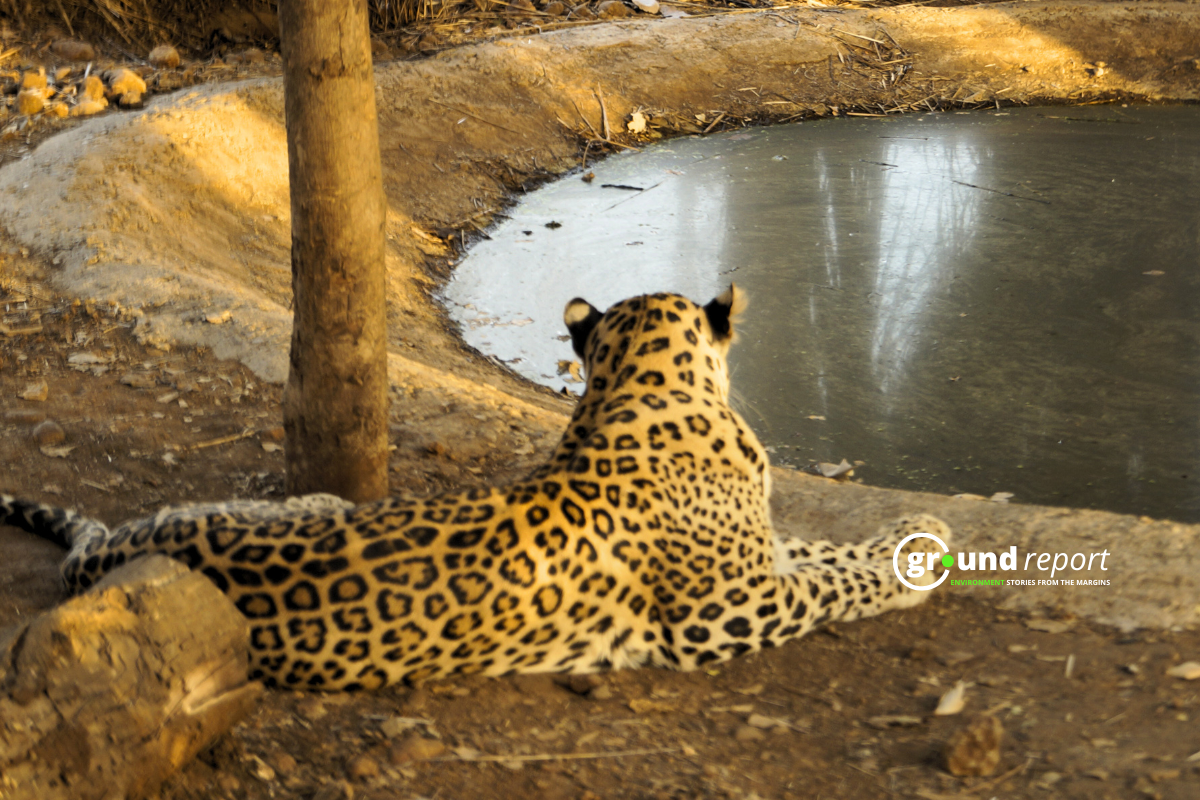
On April 10th, wildlife activist Ajay Dubey received a response to his right to information application filed with the Madhya Pradesh Forest Department. He had asked how many leopards had died between January 2025 and February 2026.
The document stated, over 14 months, 149 leopards had died across the state. And the leading cause: road accidents. Dubey described the numbers as a “grim reality.”
Madhya Pradesh has around 3,907 leopards, as per a 2022 report, an increase from 3,421 recorded in 2018. The same report warned that mitigation measures for road infrastructure were needed to protect wildlife.
Reasons Behind Deaths
The data showed that 113 leopards died in 2025, while 36 deaths were recorded in the first two months of 2026. Road accidents caused 46 deaths, which is 31 percent of the total.
Old age and disease killed 36 leopards, making up 24 percent of deaths. Fights between animals over territory caused 31 deaths. Poaching and revenge killings by humans killed 21 leopards. Eight leopards died after getting caught in electric fencing that farmers put up to protect their crops. Two were caught in snares. For 13 deaths, the cause is still not known.
R. Sreenivasa Murthy, a retired Indian Forest Service officer and former APCCF of the MP Forest Department, said the problem grew slowly over many years as both leopard numbers and road networks expanded together.
“In the last 15 years, the protection status has increased. Because of the overall protection, the numbers are also higher. And the linear infrastructure, which includes roads, is also higher,” Murthy said.
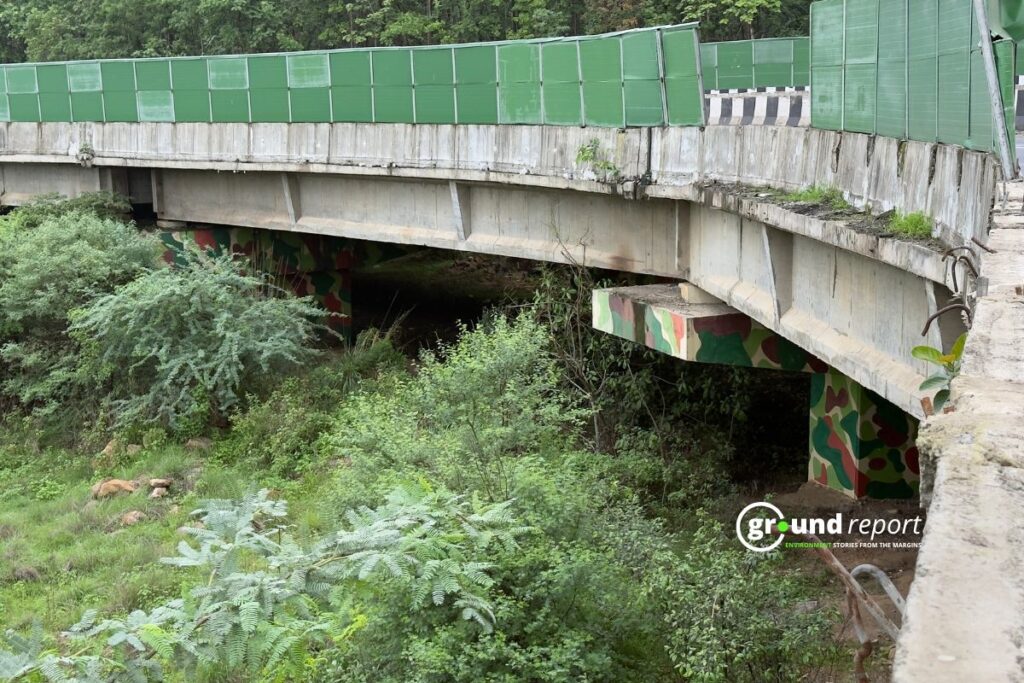
Subharanjan Sen, Principal Chief Conservator of Forests and Head of Forests in MP, accepted that more roads mean more risk for leopards.
“We are imposing conditions on new roads being built or road expansions, but not on existing ones. No one else is talking about retrofitting the old roads right now, although we ourselves are saying that there should be retrofitted ones,” Sen said.
Roads in Madhya Pradesh are not just killing leopards. In December 2025, a speeding vehicle hit and killed a cheetah cub on the Agra-Mumbai National Highway near Ghatigaon in Gwalior. It was the first time a road accident had killed a cheetah in India.
Are These Deaths Really ‘Natural’?
According to a report by the Hindustan Times, a senior forest official said 149 deaths represent only a 4% loss from a population of around 4,000 leopards in the state. “We expect a minimum of 10% mortality within 12 months in the cat family. Even up to an annual loss of 20 percent is acceptable given that old ones die due to multiple reasons,” the official said.
Dubey rejected this argument. “Has this statement ever been used for humans? When you don’t use it for humans, why use it for animals?” he said.

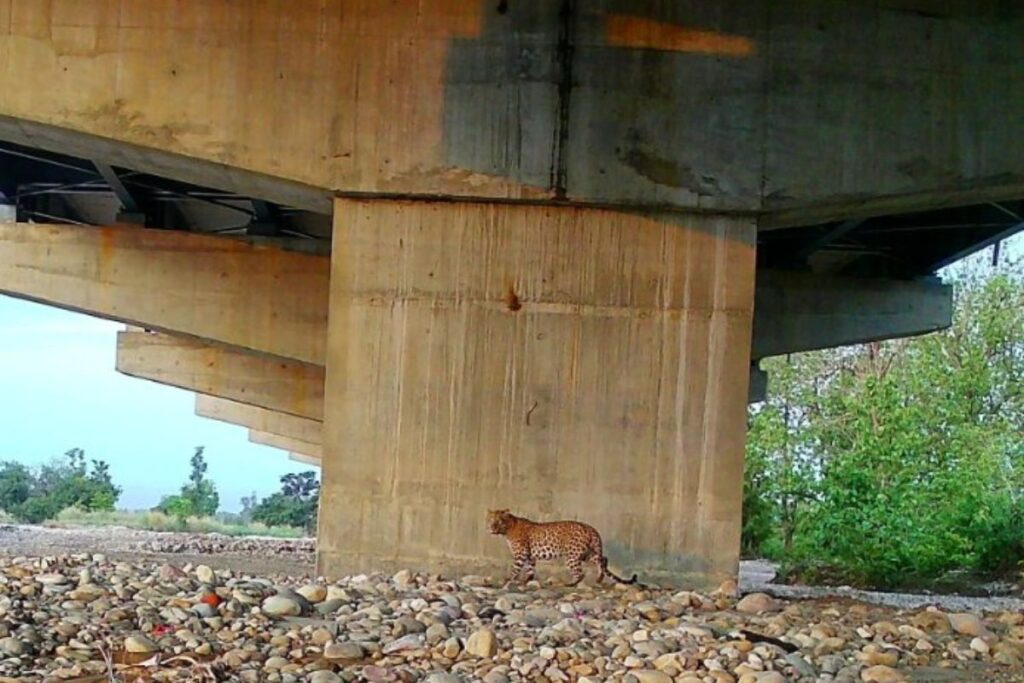
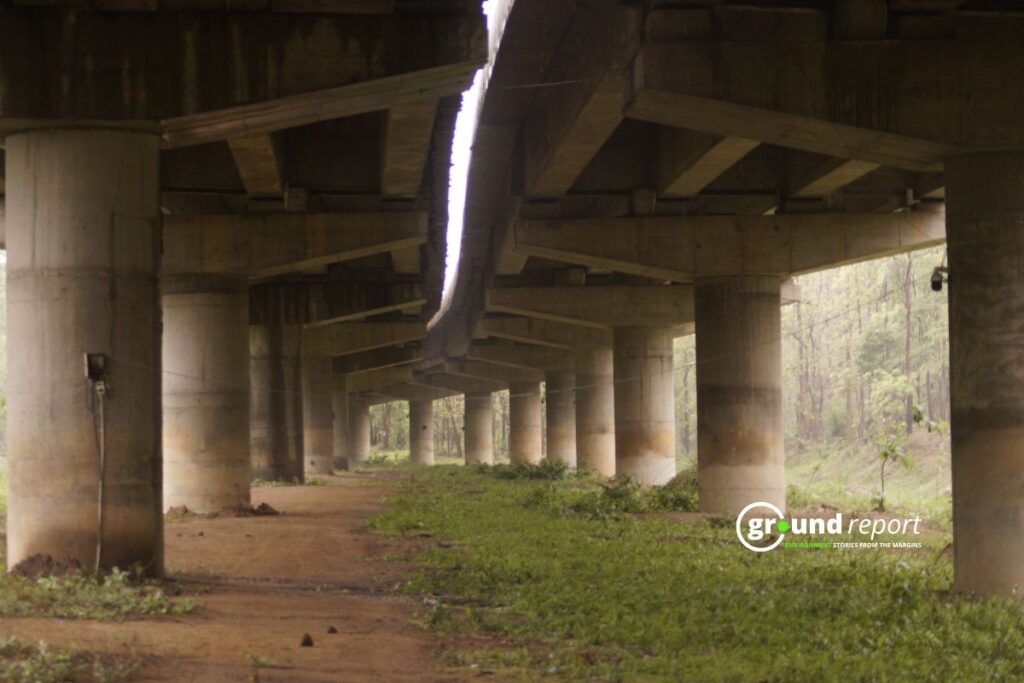
Murthy said the focus should be on reducing preventable deaths. “We should identify areas where there are animal movements. If there are arrangements for overhead passages and underpasses there, they should do that. Unless you give proper time to where and how to do conservation measures, there will be omissions,” Murthy said.
Fencing, Snares, and Revenge Killings
Sen explained why leopards face more danger from farms and villages than tigers do. “Leopard population is spread across the state, in almost all the forests as well as in areas close to civilisation. This makes them prone to wandering off on to a road or entering a village area where farmers put up electric fencing to keep cattle and other animals away from their crops. But sometimes even animals like leopards and tigers get caught in that,” Sen said.
Murthy confirmed the same pattern. “These electrical wires that we lay in the fields get entangled in them more often. Tigers are more careful. Because to catch their prey, dogs being one of them, or other calves, they also come to the village. So based on this, their deaths also increase.”
A study published by the State Forest Research Institute found leopards living inside municipal boundaries. Researchers counted 23 leopards in and around Indore and nearly 18 in Jabalpur.
When leopards move close to houses and roads, encounters increase. They attack livestock and pets. As per the study, in Jabalpur, leopards were found living on private lands within municipal boundaries. In Indore, they stayed mostly outside the city limits. The study also found that leopards were eating livestock and domestic dogs to survive in these urban areas.
Leopards also face danger in these areas. Vehicles can hit them. They can fall into wells or get trapped in crowded spaces. Rescue becomes difficult inside cities.
The study warns that as cities keep growing, these forest patches and the corridors connecting them are shrinking, pushing leopards closer to people and deeper into danger.
No Public Record, No Pressure to Act
Dubey said leopards have never received the same attention as tigers. “It was going on silently. Smuggling, killings, and getting crushed on roads—all this was happening. Leopards have a strong presence outside tiger reserves, in territorial forests, and in and around villages,” Dubey said.
Murthy said the same gap shows up when road projects get approved. “Everyone wants to speed up every development project. It is possible that these things are not covered because of this. The passes, underpasses, and upper passes for animal movement require proper research. Unless you give it proper time, there will be omissions,” he added.
Murthy said the fix is not complicated but requires political will. He said, “There is a lot of talk about tigers. But along with that, we also need to pay attention to the corridors of other animals. Wherever they move, proper measures should be taken for speed limits. This is the most important issue.”
Dubey said that death is a reality. But “being crushed to death on the road” is an “unnatural way” to die. He added, “they are being killed by electric wires. This death is unnatural. Our natural approach is their age, and we don’t dwell on that much. But our unnatural approach is getting crushed on the road, building a road in their home, and failing to mitigate it.”
Official data from the National Crime Records Bureau shows that animal crossings caused about 1.2 percent of total road accident deaths in 2023, which comes to 2,033 deaths, an increase from 1,509 in 2022.
A 2023 study shows how common wildlife deaths on roads are. The research, published in the Journal of Threatened Taxa, recorded 61 wildlife deaths along a 34 km stretch of highway in Madhya Pradesh. Most of these were birds, but mammals like jungle cats, jackals, civets, and langurs were also killed. The study also identified seven roadkill hotspots along this route.
This shows that road accidents do not affect only large animals like leopards. Many smaller species die regularly on highways that pass through forest areas.
More Ground Reports
What does Ramsar status actually change for Bihar’s wetlands?
MP Poshan Aahar Closures Put Rural Women’s Livelihoods at Risk