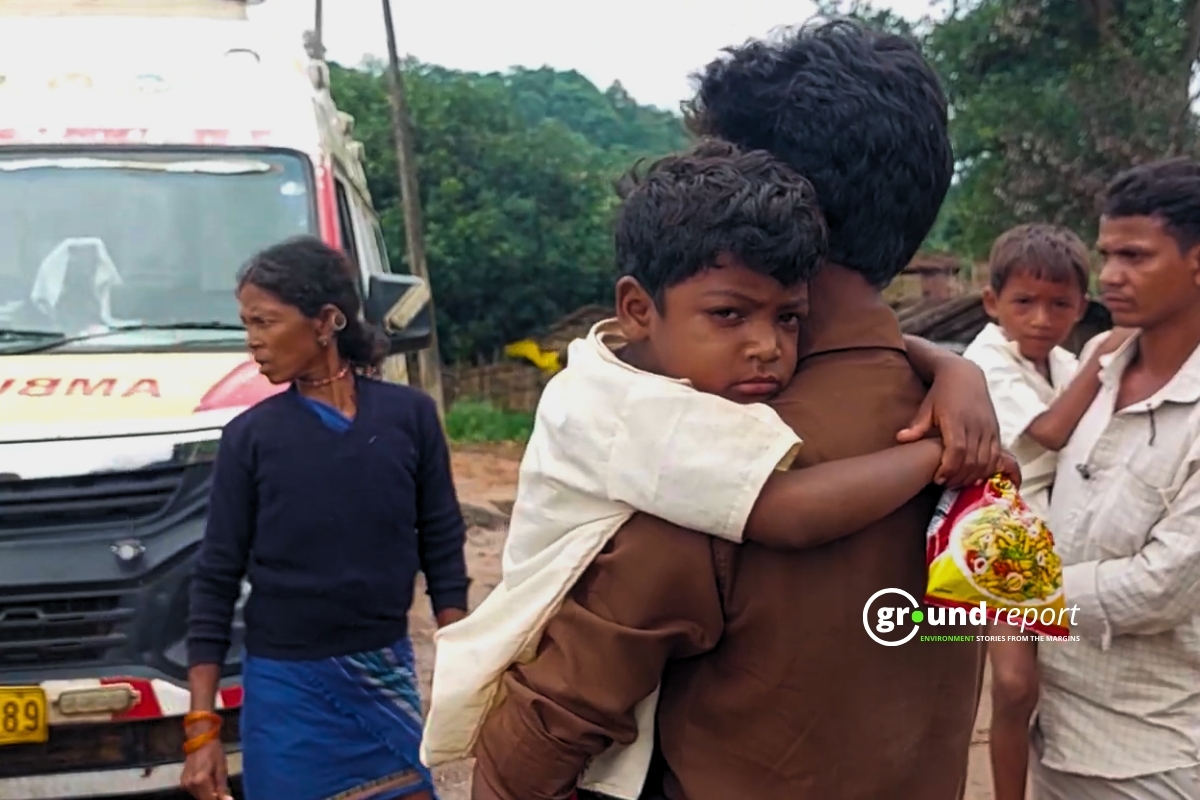
Gulab Singh, who lives in Dholbey village, about 20 kilometres from Rajgarh town in Madhya Pradesh. For years, he relied on a disability certificate: a piece of paper issued in 2010, an official proof of his speaking and hearing disability.
In 2021, under India’s digital framework, it became mandatory to obtain a UDID (Unique Disability Identification) card— a nationally valid identification document for persons with disabilities. The certification will be granted a certificate of disability “through online mode only”, a government website reads.
The process of issuing a “digital” card, ironically, remains largely physical.
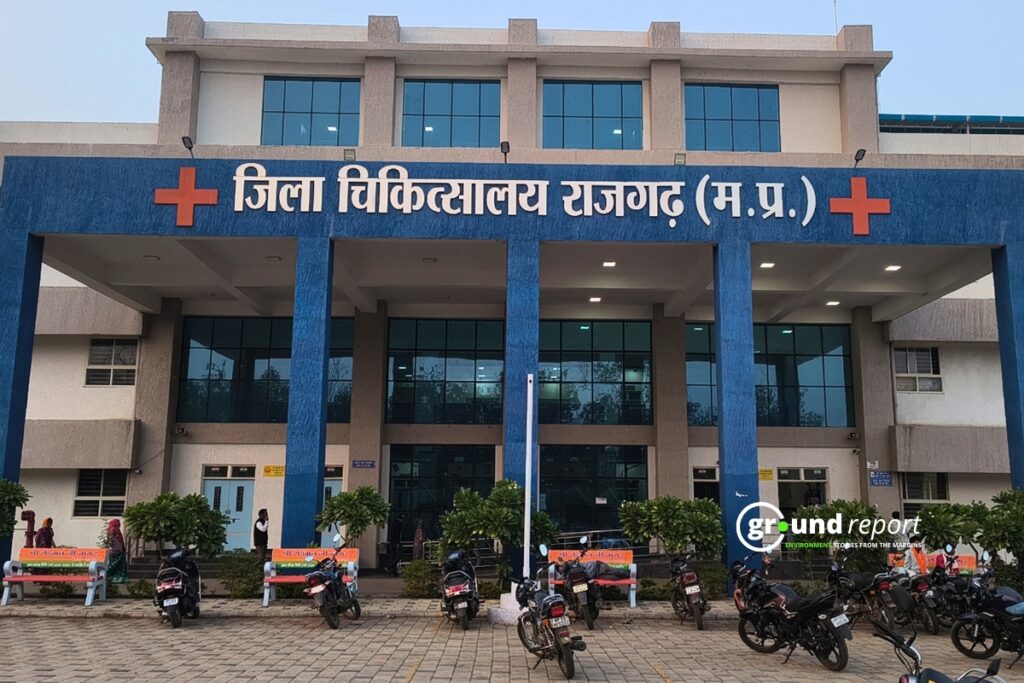
Kamalakanta Parida, in charge of the District Disability Rehabilitation Centre in Rajgarh, said that individuals seeking disability certification must appear in person at the district hospital for verification. A panel of doctors, including a specialist, assesses and confirms the disability before the certificate is approved. He added that UDID cards for ENT patients are not currently being issued because Rajgarh lacks an ENT specialist.
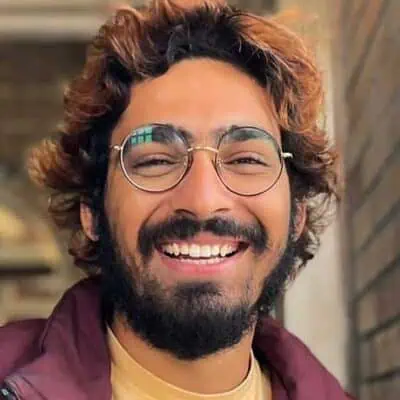
Meanwhile, Abhishek Arya, a computer operator at the Rajgarh Municipal Office, said that only those who have registered on the UDID portal are presently receiving benefits under government schemes, subject to eligibility.
He said applicants who approach the municipal office are directed to complete the online UDID registration and undergo eKYC verification before their cases can move forward.
Though even after multiple physical visits to the Rajgarh District Hospital, his certification remains pending. Without this card, Gulaan’s ₹600 monthly pension has been stopped for the past 12 months. For Gulab’s family, it was an essential support.
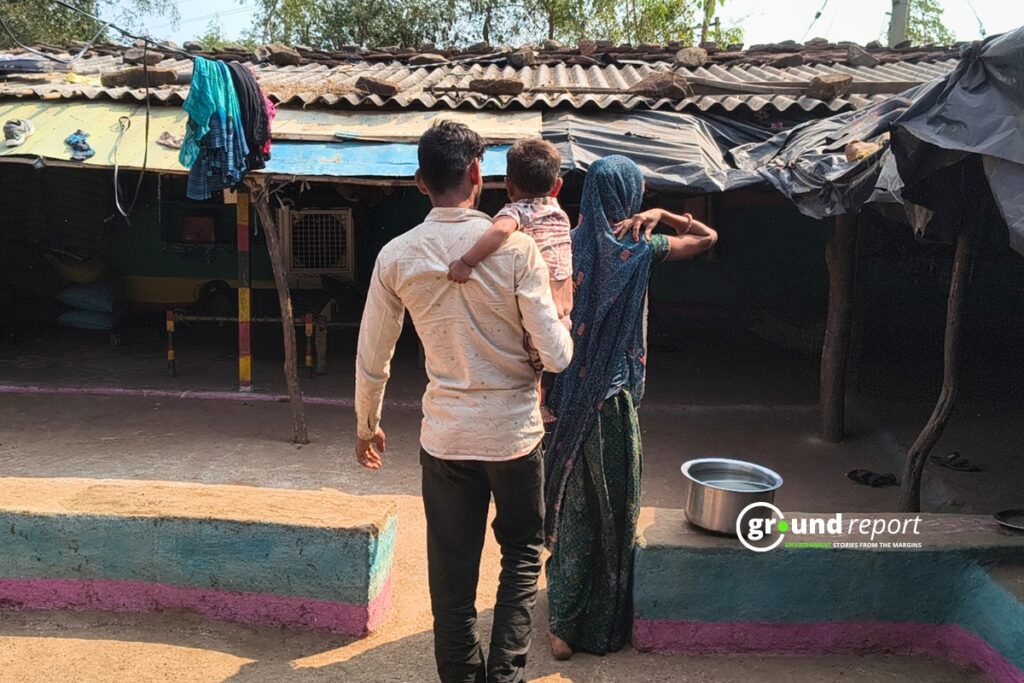
Sheela Bai, wife of Gulaab Singh, told Ground Report that she has visited the hospital for nearly a year to get the UDID card, often taking their two children with her. Her frustration and disappointment were palpable.
To issue a UDID card, the district medical board must certify that the individual has at least 40 percent disability. Kamalakanta Parida, in charge of the District Disability Rehabilitation Centre, says that around 25,000 persons with disabilities in the district have registered on the UDID portal. Of these, (out of 2,000) about 1,000 ENT (Ear, Neck, Throat) patients have had their UDID cards.
As mentioned, in cases involving speech and hearing impairment, this certification must be signed by an ENT (Ear, Neck, and Throat) specialist. And, Rajgarh district hospital does not have one.
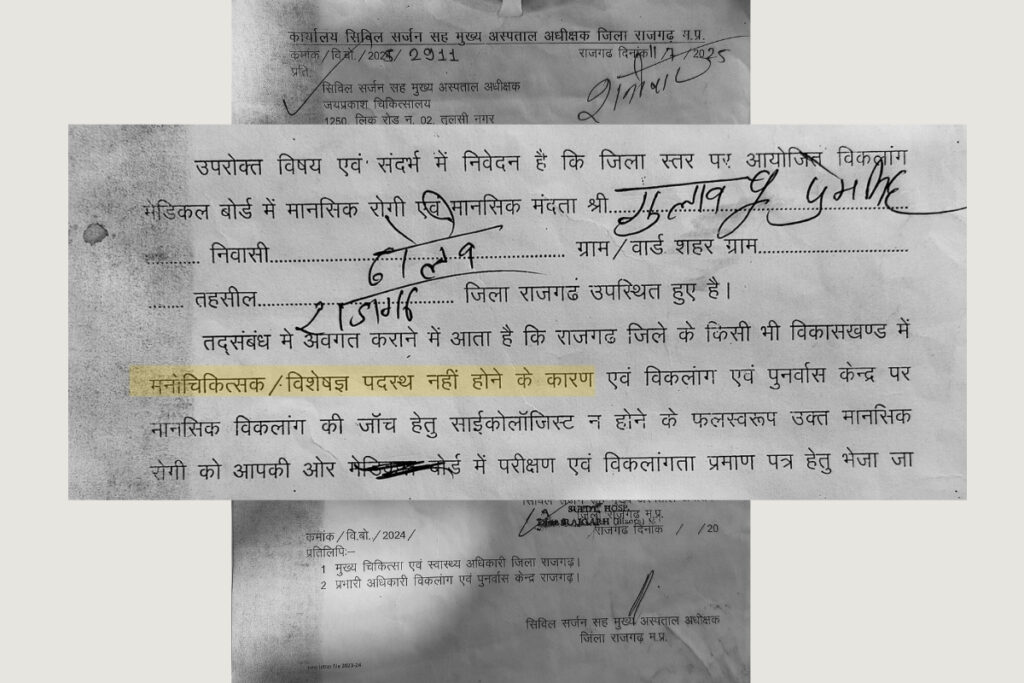
On July 11, 2025, the Civil Surgeon’s office at the district hospital issued a letter referring Gulab Singh to JP Hospital in Bhopal. The letter stated that no psychiatrist or specialist was available in the Rajgarh district and requested examination and certification there. The letter mentioned that Gulab needs a certification for his ‘mental disability’.
“In many cases, mental disability or disorder also affects other parts of the body, such as the ears, hands, and legs, and can result in impairments in speaking or hearing, paralysis, and related conditions,” District Hospital Civil Surgeon Dr. Rajneesh Sharma said.
Sheela travelled nearly 150 kilometres to Bhopal. And, when she reached Bhopal, officials there directed her back to Rajgarh, leaving her caught in a frustrating loop. Their rationale: certification must originate from their home district.
Farukh and Mohsin, residents of Narsinghgarh, 60–70 kilometers from Rajgarh, were also referred to Bhopal for examination. In January and February alone, they made nearly three trips to the city. Their medical reports are now ready, but they have been told that the final certificate must be issued in Rajgarh. At the Disability Rehabilitation Centre, officials say that unless an ENT doctor is part of the medical board, certificates cannot be issued.
District Hospital Civil Surgeon Dr. Rajneesh Sharma acknowledges that the previous ENT specialist was transferred to Bhopal six months ago, leaving the position vacant. The post of Radiodiagnosis specialist is also vacant. In an explanation, he says that appointing doctors is a matter at the state government level and hopes that someone will be posted once the transfer season begins.
Sharma adds that the number of ENT certification cases is relatively low. “Only two to four such patients come in a month. We ask them to wait a little longer. We are hopeful that a doctor will be appointed during the transfer season,” he says.
A System That Waits, Families That Cannot
In 2025, the new nearly ₹40 crore district hospital building in Rajgarh symbolised progress. The building, equipped and operational, made residents believe they would no longer need to travel to Bhopal for specialised care. Though basic welfare certification remains stalled.
Gulab Singh owns one bigha of ancestral land, and farming remains his family’s only source of livelihood. The modest pension once provided crucial support. To manage household expenses now, his wife travels with other villagers to Rajasthan during the harvest season to work as a labourer.
Each visit to the hospital costs the family a day’s wages, in addition to travel expenses. With no specialist available, patients are left to bear the financial burden themselves.
Meanwhile, the district’s Chief Medical and Health Officer, Dr. Shobha Patel, an ENT specialist herself, declined to comment.
Many suggest interim measures such as monthly special ENT camps, visiting specialists from larger cities, or telemedicine-based certification drives to help bridge the gap until permanent systems are in place.
Support Us To Sustain Independent Environmental Journalism In India.
More Video Reports
Ken-Betwa Project Protests Turn Violent as 20 Villages Demand Fair Compensation
Risking Lives on Boats After Mohanpura Dam Submerges Their Only Road
Stay Connected With Ground Report For Underreported Environmental Stories.
Authors
Support Ground Report to keep independent environmental journalism alive in India
We believe climate change should be the basis of current discourse, and our stories attempt to reflect the same.
Connect With Us
Send your feedback at greport2018@gmail.com
Newsletter
Subscribe our weekly free newsletter on Substack to get tailored content directly to your inbox.
When you pay, you ensure that we are able to produce on-ground underreported environmental stories and keep them free-to-read for those who can’t pay. In exchange, you get exclusive benefits.
Your support amplifies voices too often overlooked, thank you for being part of the movement.