
Interest in the Kashmir Great Lakes trek is rising as groups prepare for the 2026 season, but Indiahikes has issued a detailed advisory urging trekkers to plan with caution. The organisation says it is still waiting for official permits and warns that no approval has been granted yet for any Kashmir trek next year.
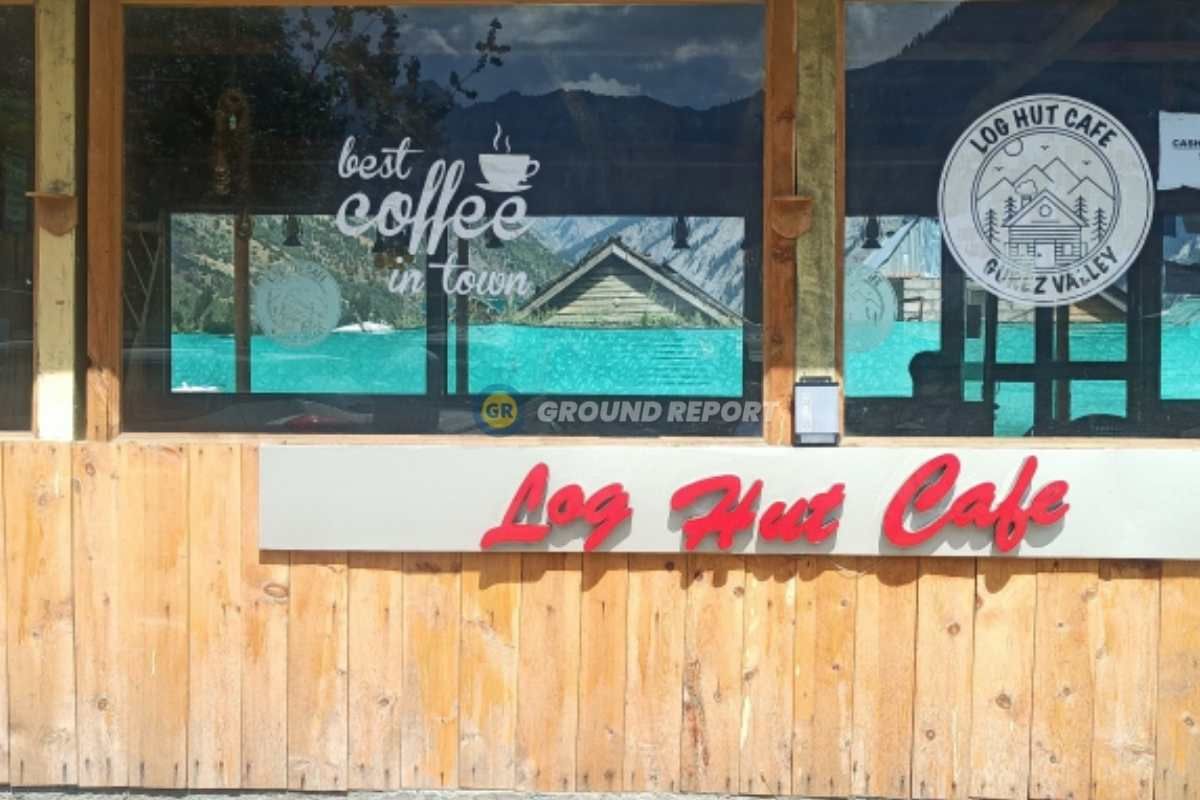
The route sits northeast of Srinagar and is known for its long walking days, steep climbs and multiple high passes. Indiahikesdescribes the region as one of the most striking trekking areas in the country, with more than six alpine lakes and several valleys across the six-day trail.
The advisory opens with a direct note on permits. Indiahikes states, “We are still uncertain whether we will receive permits for our Kashmir treks.” It adds that groups are open only with the hope that permissions will be granted later. If permits do not open by May 2026 and the security situation appears unsafe, the organisation says it will issue a full refund, including the optional Shield fee.
Background
The route follows a fixed schedule. Day 1 is a drive from Srinagar to Gagangir. The trek then moves from Shitkadi to Nichnai, Vishnusar, Gadsar, Satsar and Gangabal before ending with a descent to Naranag. Daily distances range from 9 km to 16 km. Several passes rise above 13,000 ft. Indiahikes calls the trail moderate to difficult and stresses that there are no simple exit points. The return from Naranag must pass a checkpost that closes at 4 pm. Trekkers arriving late will need help from the Indian Army for overnight stay.
Key Information from Advisory
| Category | Information |
|---|---|
| Permit Status | No permits confirmed for 2026; updates expected by May |
| Refund Rule | Full refund, including Shield, if permits do not open and security is unsafe |
| Trek Duration | Six trekking days plus one buffer day |
| Route | Srinagar–Gagangir–Nichnai–Vishnusar–Gadsar–Satsar–Gangabal–Naranag |
| Daily Distance | 9 km to 16 km |
| Highest Point | Above 13,000 ft on several passes |
| Transport Cost | ₹750 to Gagangir; ₹600 from Naranag |
| Trek Fee | ₹21,450 + GST; ₹240 insurance |
| Optional Add-ons | Shield ₹1,400; backpack offloading ₹4,800 |
| Flight Advice | Book after April; choose flexible or refundable tickets |
| Buffer Day | Extra ₹1,800 + GST if used |
| Jammu Travel | Shared cabs ₹700–₹1,000; Banihal–train route ₹500–₹700 |
Transport for the trek is arranged in non-AC vehicles. Participants pay the drivers directly. The fee from Srinagar to Gagangir is ₹750. The return from Naranag to Srinagar costs ₹600. The full trek fee is ₹21,450 plus GST, along with a ₹240 insurance charge. Optional add-ons include the Shield at ₹1,400 and backpack offloading at ₹4,800.
Travel Plans Need Flexibility
Indiahikes warns of a high level of uncertainty in Jammu and Kashmir due to possible shifts in movement orders. It advises trekkers to avoid early flight bookings and to wait until after April, when there may be more clarity. It also asks trekkers to book only flexible or refundable tickets to reduce financial loss if a sudden change affects travel.
The group includes a buffer day as Day 8. If this day is used, trekkers must pay ₹1,800 plus GST. Indiahikes tells trekkers to book their return flights only after adding this buffer day. The trek ends at Sonamarg, with an expected arrival in Srinagar between 6 pm and 7 pm. There are no late evening flights, so trekkers must stay a night in the city and fly out on Day 9.
The advisory also covers travel via Jammu. Shared cabs between Jammu and Srinagar cost between ₹700 and ₹1,000. Indiahikes notes that roadblocks on this route can take long hours to clear. A faster option is to travel to Banihal and take a train to Srinagar or return by train toward Jammu, with shared cab costs in the ₹500 to ₹700 range.
Accommodation planning forms another part of the message. Indiahikes advises trekkers to book hotels that do not require full advance payment. This reduces loss if the buffer day is used or plans shift after the trek.
The organisation states that last-minute cancellations are possible if government orders restrict movement. If an alternate trek cannot be arranged, the regular cancellation policy will apply. Indiahikes urges trekkers to consider the Shield to safeguard their trek fee during such situations.
Support us to keep independent environmental journalism alive in India.
Keep Reading
Elephants Are Back in MP After a Century, But Can They Stay?
Solar Energy – A Paradigm Shift in Wildlife Conservation
Stay connected with Ground Report for underreported environmental stories.